Why Buy a 20ft High Cube Container?
A 20ft high cube container offers the familiar footprint of a standard 20-foot unit with extra vertical space. That added height can make a practical difference when storing tall equipment, stacked cartons, or bulky materials. One foot matters. It may also make loading easier when workers need more room above the cargo. Exact internal dimensions vary by manufacturer, so check the unit’s specifications before planning a fit.
The right container depends on what you need to store and where it will sit. Measure your tallest items, allow room for safe handling, and consider the door opening—not just the interior height. A container’s condition matters, too. Inspect the floor, doors, seals, and roof for damage or signs of water entry. Ask for clear photos or arrange an inspection when possible. Small defects can become frustrating later.
Delivery is another part of the decision. A high cube may need adequate overhead clearance, a stable placement area, and enough access for the delivery vehicle. Confirm these details with the supplier before ordering. The extra capacity is useful, but it does not automatically mean the unit can carry more weight; payload limits depend on the specific container. This is easy to overlook. For many storage or transport plans, a 20ft high cube container is a flexible option, provided its dimensions, condition, and delivery requirements match the job. It is not the best choice for every site, and checking the details upfront can prevent an expensive mismatch.
20ft High Cube Dimensions: 2.896 m External Height and About 37 m³ Capacity
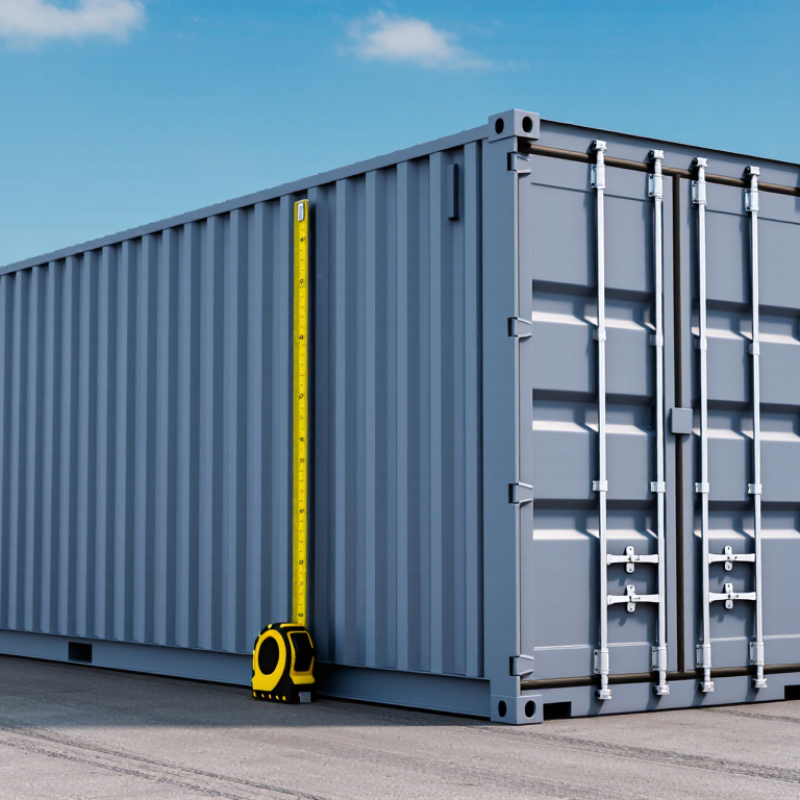
A 20ft high cube container adds useful vertical space without requiring a longer footprint. Under ISO 668:2020, its external height is 2.896 m, compared with 2.591 m for a standard-height container. Typical internal dimensions provide about 37 m³ of nominal volume, although door frames, corner fittings, and wall thickness reduce usable space. Check the supplier’s specification sheet before planning a load.
That extra height can help with tall cartons, stacked equipment, or bulky items that cannot be laid flat. A tape measure and a simple loading sketch often reveal more than the headline volume.
Still, 37 m³ can mislead: irregular shapes leave gaps, and cargo may reach its weight limit before filling the space. UNCTAD’s Review of Maritime Transport 2024 projected containerized trade growth of 3.5% in 2024, underscoring the continuing need to use shipping capacity efficiently.
For a buyer, the practical question is not just how much fits, but whether the added height suits the actual cargo, handling equipment, and storage site.
Height matters. So does access.
Extra Vertical Space: 305 mm More Than a Standard 8ft 6in Container
A 20ft high cube container adds 305 mm of external height over a standard 8ft 6in unit. ISO 668:2020 sets the nominal external heights at 2,896 mm and 2,591 mm, respectively. That is a real difference above your head. In practice, roof beams and flooring reduce usable internal clearance, so confirm the specific unit’s measurements before planning a load.
The extra vertical room can help when storing tall equipment, stacking cartons, or fitting shelving without wasting floor space. The Container Handbook, published by the German Insurance Association (GDV), describes container construction and dimensional variations that affect usable space. A high cube does not automatically increase floor area, and bulky items may still be awkward to load. Measure the doorway, interior height, and your tallest item. Measure twice. The additional clearance is useful, but it is easy to overestimate what those 305 mm provide.
Typical Weight Ratings: Up to 30,480 kg Gross, Subject to the CSC Plate
A 20ft high cube container can offer useful vertical space, but its weight rating deserves close attention. A common maximum gross mass is 30,480 kg, including the container and its cargo. The World Shipping Council’s container guidance identifies this as a typical rating for a 20ft container. It is not a universal allowance. The CSC Safety Approval Plate on the specific unit is the practical reference, while ISO 668:2020 sets out the classification, dimensions, and ratings framework for series 1 freight containers. Check the plate.
Payload is calculated by subtracting the container’s tare mass from its permitted gross mass. For example, with a tare mass of 2,350 kg, a 30,480 kg gross rating leaves 28,130 kg for cargo. Real units differ, and repairs or modifications can affect the approved rating. A high cube’s extra height does not automatically increase its weight capacity. Confirm the plate details before loading, then consider the chassis and handling equipment too. I would not plan a shipment around the headline number alone; tare records can be easy to overlook.
Why Buy a 20ft High Cube Container? — Typical Weight Ratings: Up to 30,480 kg Gross, Subject to the CSC Plate
| Specification |
Typical Figure |
What It Means |
| External length |
6.058 m (20 ft) |
Nominal external length; actual dimensions may vary slightly by unit. |
| External width |
2.438 m (8 ft) |
Standard container width. |
| External height |
2.896 m (9 ft 6 in) |
Approximately 305 mm (1 ft) taller than a standard-height container. |
| Typical internal dimensions |
About 5.90 m × 2.35 m × 2.69 m |
Length × width × height; dimensions vary with construction and fittings. |
| Typical internal capacity |
Approximately 37–38 m³ |
Extra height provides more cubic space than a standard-height 20 ft container. |
| Typical tare weight |
About 2,200–2,400 kg |
The empty container’s weight; check the unit’s door markings for its actual tare. |
| Maximum gross weight |
Up to 30,480 kg |
The combined maximum weight of the container and its contents, subject to the individual CSC plate. |
| Typical payload at 30,480 kg gross |
About 28,080–28,280 kg |
Indicative calculation using a tare weight of 2,400–2,200 kg; the actual permitted payload depends on the container’s marked ratings. |
| Door opening (typical) |
About 2.34 m wide × 2.58 m high |
Opening dimensions vary by design; confirm clearance before loading tall or wide cargo. |
| Important rating check |
Read the container’s CSC plate |
Use the individual unit’s marked maximum gross mass and other applicable limits. Transport, road, rail, and local regulations may impose lower limits. |
Cargo Fit: About 2.35 m Internal Width and Model-Dependent Door Clearance
Why Buy a 20ft High Cube Container?
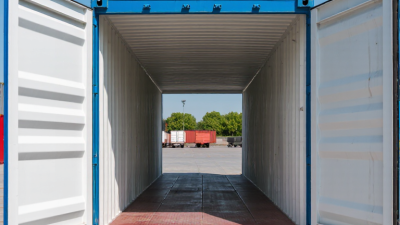
A 20ft high cube container offers extra internal height, but its width is close to a standard container’s. The German Insurance Association’s Container Handbook lists a typical internal width of about 2.35 metres. Its tables also show that door openings can be slightly narrower. That matters. A bulky machine or crated load may fit inside yet catch at the entrance.
Plan around the narrowest point, not the widest wall. A typical doorway is roughly 2.34 metres wide, though exact clearance varies by model and condition. ISO 668:2020 specifies standard container dimensions, but it does not make every unit’s usable interior identical. Check the individual specification sheet, then measure the door frame, floor, and any protrusions. Measure twice. A few centimetres can change the loading plan.
For example, two 800-millimetre-wide pallet footprints use 1.6 metres of a 2.35-metre interior width, leaving space for restraint and access. That is only a layout estimate; pallet overhang, packaging, and load shape reduce usable clearance. High-cube height can help with taller cargo, but it does not solve a width problem. In practice, I would verify the actual doorway before booking equipment. It is an easy check to overlook.
When to Buy One: Tall Cargo, Storage Needs, and Space-Related Costs
A 20ft high cube container can suit cargo that needs extra vertical room without requiring a longer footprint. Its added height may help with tall equipment, stacked cartons, or bulky items that cannot fit comfortably in a standard-height unit. Check the usable interior height and doorway clearance before buying; insulation, flooring, and door frames can reduce the space available. A few centimeters matter.
Buy one when the cargo dimensions justify the extra height and the delivery site can accommodate it. Measure overhead clearance near gates, trees, cables, and loading areas. Also consider ongoing storage costs: a taller unit may occupy a similar ground area, but access, placement, and handling can still affect the total price. Ask for delivery charges and confirm the ground is level and firm. I have seen space plans look generous on paper, then feel tight once doors need to open. It is worth rechecking.
Tips: Measure the tallest item, including packaging. Leave room to load and secure it safely. Compare the container’s interior dimensions with your actual cargo, not just its advertised size. If you mainly store short items, the extra height may not earn its keep.