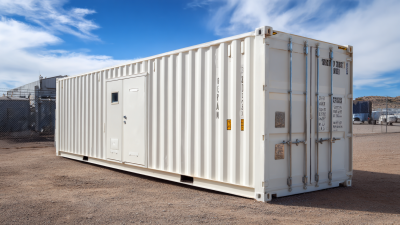
A high cube shipping container offers extra vertical space for cargo, equipment, and storage projects. It usually stands 9 feet 6 inches high, about one foot taller than a standard container. That difference seems small on paper. Inside, it can improve loading efficiency noticeably. Taller doors also help when moving bulky furniture, palletized goods, or workshop materials. Common lengths include 20 feet and 40 feet, although availability varies by supplier and region. Exact internal dimensions, payload limits, and door openings should always be checked before ordering.
This guide explains how a high cube shipping container is built, measured, transported, and used. It also considers insulation, ventilation, flooring, corrosion, and site preparation. A container may look ready for immediate use, but its condition can vary greatly. Inspect the roof, corner posts, locking bars, and floor carefully. Small dents may be harmless, while hidden rust can become expensive. A common mistake is choosing height without measuring overhead clearance. Power lines, tree branches, door frames, and local access roads all matter. The tallest option is not always the best option. Supplier records, inspection photos, certification details, and delivery planning support a more reliable decision. However, specifications can differ between manufacturers, so readers should verify every critical measurement. This practical overview aims to make that process clearer, while acknowledging that real sites rarely match perfect diagrams. Clearance matters.
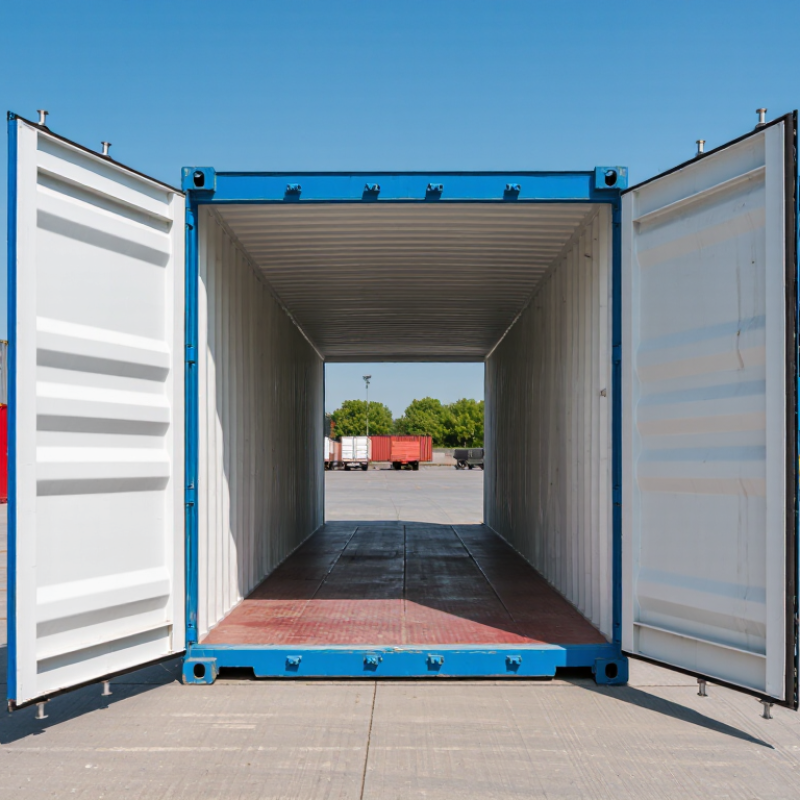
A high cube shipping container is a cargo box with extra internal height. Most standard high cube units measure about 9 feet 6 inches externally, compared with 8 feet 6 inches for standard containers. That additional foot creates more vertical clearance for tall machinery, stacked cartons, and bulky equipment. Internal dimensions vary slightly by manufacturer and construction, so measured space matters more than advertised figures.
High cube containers usually include steel walls, weather-resistant doors, a strong floor, and corner posts for lifting and stacking. Their taller profile can improve loading efficiency, especially when cargo cannot be safely compressed. In practical loading work, the extra height feels useful when a crate clears the roof by several inches. Still, it can disappear quickly after pallets, protective padding, and securing materials are added. A common mistake is measuring only the cargo, not the complete loaded unit.
Tips: Measure height, width, and door clearance before booking. Check the container’s tare weight, floor condition, ventilation openings, and locking hardware. Leave room for safe handling. It is tempting to use every inch, but tight packing may damage goods or complicate unloading. Confirm the latest technical specifications with a qualified container provider, since dimensions and permitted loads can differ between units.
A high cube shipping container looks familiar, but its extra height changes loading decisions. ISO 668:2020 sets the typical external height at 2.896 meters, compared with 2.591 meters for a standard container. That difference is about 30 centimeters.
The internal height usually reaches 2.69 meters, while a standard unit offers about 2.39 meters. Internal volume rises from roughly 67 cubic meters to 76 cubic meters in a 40-foot container. This creates about 13% more cubic capacity, according to dimensional data aligned with ISO container specifications. The extra space suits tall cartons, lightweight machinery, furniture, and stacked retail packaging. A worker can often add one more packaging layer. Sometimes, that is the entire commercial advantage.
The extra volume does not automatically increase the permitted payload. Weight limits still depend on the container rating, road rules, lifting equipment, and the shipping route. UNCTAD’s Review of Maritime Transport 2024 records global container ship capacity above 30 million TEU, showing how widely standardized dimensions matter across ports. Yet high cube availability can vary by depot and location. That detail is easy to miss. Door height also matters. A tall crate may fit inside but still fail at the doorway because of clearance, pallet tilt, or forklift access. In practice, measuring the cargo and the handling path is safer than trusting volume alone. The extra foot helps. It is not magic.
A high cube container is about 30 centimeters taller than a standard container. That extra height supports taller cargo, added insulation, or more usable air space. Common sizes include 20-foot and 40-foot high cube units. A 45-foot version also exists, but availability and transport acceptance vary by location.
A 20-foot high cube usually measures about 6.06 meters long, 2.44 meters wide, and 2.90 meters high externally. Its internal space is approximately 5.90 by 2.35 by 2.69 meters. Capacity often reaches 37 to 38 cubic meters. Tare weight commonly ranges from 2.3 to 2.5 tonnes, while payload may approach 28 tonnes. Check the data plate.
A 40-foot high cube is approximately 12.19 meters long and 2.90 meters high externally. Internal dimensions are often near 12.03 by 2.35 by 2.69 meters. Its volume typically reaches 76 to 77 cubic meters. Tare weight may range from 3.8 to 4.2 tonnes. Payload often falls between 26 and 28 tonnes, depending on the unit’s gross weight limit. In practice, uneven loading can reduce usable capacity. A tall machine may fit vertically but still fail at the doorway. That detail is easy to overlook. Dimensions also change slightly between production batches, so measured clearance matters more than a catalog estimate.
A high cube container is usually 40 feet long and 9 feet 6 inches tall, giving it about 12 inches of extra internal height. That space matters when cargo is bulky, palletized, or sensitive to stacking pressure. According to UNCTAD’s Review of Maritime Transport 2024, global container port throughput reached approximately 858 million TEUs in 2023. High cube units help operators use that network more efficiently, especially for lightweight goods that consume volume before weight. They are common for furniture, machinery parts, retail inventory, and export packaging. More air, fewer compromises.
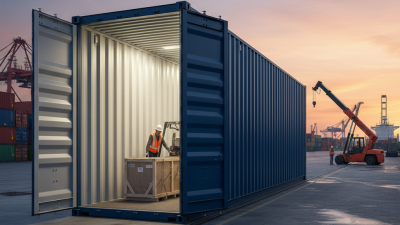
Across storage sites, a high cube container can become a dry, lockable room for seasonal stock, tools, or archive boxes. Construction teams also use units as temporary workshops, site offices, and material stores. Their extra height allows shelving, lighting, insulation, and limited overhead services. However, ventilation and condensation control require careful planning. A sealed steel box may protect equipment from rain, yet still collect moisture overnight. Construction users should also verify ground bearing, access clearance, fire controls, and local approval requirements.
Tips: Measure the delivery route before ordering. Check bridge heights, turning space, and crane access. Inspect door seals and flooring, not only the paint. For storage, use raised pallets and a small air gap beside walls. I would not treat “windproof” as “weatherproof”; damaged seals can defeat the whole plan. Data from the International Convention for Safe Containers framework also supports regular inspection, especially when units are moved repeatedly.
A high cube container is usually 9 feet 6 inches tall outside, about one foot higher than a standard unit. Under ISO 668 dimensions, its internal height is approximately 2.69 meters. A comparable standard container offers about 2.39 meters. That extra space can increase internal volume by roughly 13 percent, reaching about 76 cubic meters in a 40-foot model.
More space helps when cargo is light but bulky. Furniture, retail fixtures, insulation panels, and packaged machinery may fit with fewer voids. The taller walls also allow safer stacking when packaging is properly designed. UNCTAD’s Review of Maritime Transport 2024 describes a global container fleet exceeding 28 million TEU, so high cubes are widely integrated into international logistics networks. Availability still changes by location. Check the depot before planning around one.
Height creates practical limits. A loaded high cube may exceed clearance on older roads, rail routes, warehouse doors, or private bridges. Confirm the vehicle’s legal height and the destination’s handling equipment. Payload does not automatically increase. The container’s maximum gross mass and tare weight remain decisive. Inspect the floor, door seals, corner posts, and certification plate before loading. I once treated volume as the main constraint; the cargo’s weight distribution caused the real problem. That mistake was avoidable. Leave clearance above fragile goods, secure shifting loads, and verify the final dimensions with the carrier and local terminal.
If for some reason you did not find the service or product you need, you can always leave a request for a free consultation and get an answer.