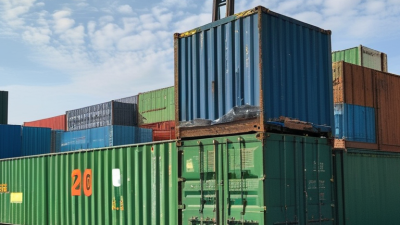
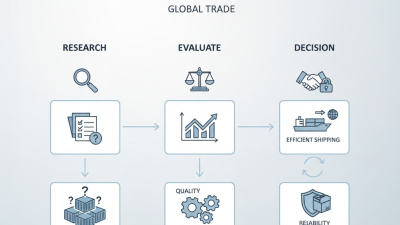
Choosing the right shipping container affects storage capacity, transport efficiency, and daily handling costs. A 20ft high cube container offers extra internal height without increasing its floor length. That difference can matter.
Compared with a standard 20-foot container, the high cube model usually provides about one additional foot of interior height. This creates useful space for taller equipment, stacked cartons, shelving, and insulated materials. Its compact footprint remains suitable for many depots, construction sites, farms, and commercial yards. Operators can place it where longer containers may not fit. A 20ft high cube container also supports practical loading plans, especially when vertical clearance is more valuable than extra floor area.
However, additional height does not solve every storage problem. Weight limits still apply. Poorly arranged cargo may waste the available volume. Door dimensions, ventilation, flooring condition, and corner-post integrity deserve close inspection. These details are easy to overlook. They should not be.
Reliable suppliers normally provide specifications, condition reports, and clear information about modifications. Buyers should verify external dimensions, internal measurements, payload ratings, and certification requirements before ordering. Local access also matters. A narrow entrance, low bridge, or unstable surface can turn a suitable container into an expensive mistake. The best choice depends on cargo type, handling equipment, delivery distance, and intended service life. Careful planning often matters more than choosing the tallest option. That is worth remembering.
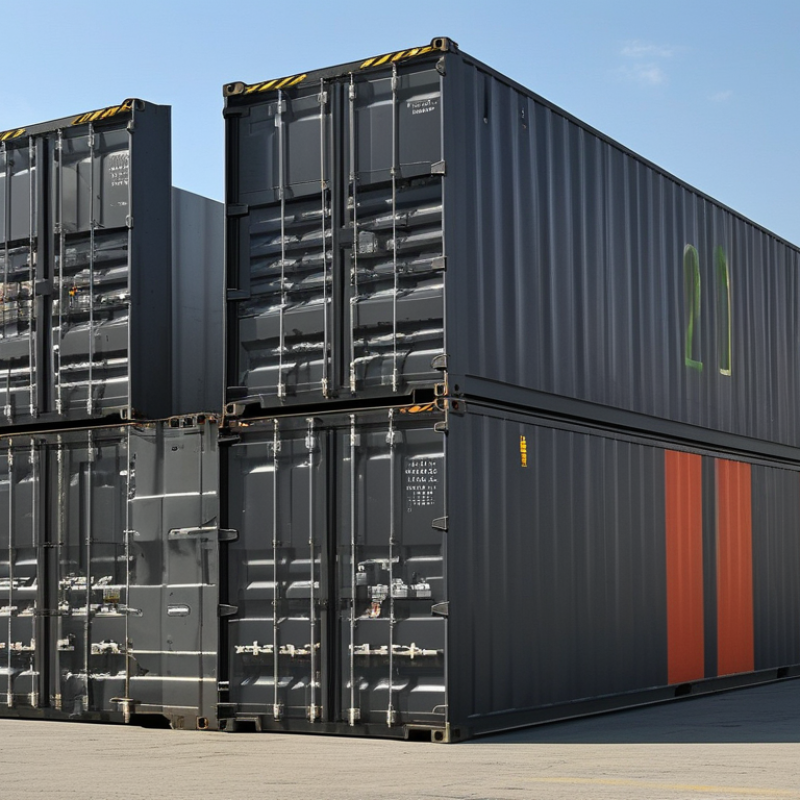
A 20ft high cube container follows ISO 668 dimensional standards for intermodal freight units. Its external size is approximately 6,058 millimeters long and 2,438 millimeters wide.
The external height reaches about 2,896 millimeters. Compared with a standard-height container, this adds 305 millimeters, commonly described as 30 centimeters. Internal height is usually close to 2,690 millimeters, although floor thickness and structural fittings reduce usable space.
That additional height helps cargo with a compact footprint but greater vertical dimensions. It can accommodate taller pallets, protective dunnage, and limited stacking space.
The internal volume is roughly 37 cubic meters, but actual payload depends on tare weight and the container’s rating plate. Measure twice. Door clearance also matters, because cargo may fit inside but fail at the opening.
A practical loading check should include pallet height, wrapping, forklift access, and the final center of gravity.
The choice is not always automatic. Some roads, warehouses, loading bays, and rail routes have restricted overhead clearance.
My first loading estimate was too optimistic when I ignored door hardware and floor height. That mistake showed why nominal ISO dimensions are only a starting point.
Check the route, lifting equipment, cargo dimensions, and local transport requirements before booking. Keep heavy items low and distribute weight evenly. Extra height should create useful clearance, not encourage unstable stacking.
A 20ft High Cube container offers about 37 m³ of internal capacity, according to dimensions aligned with ISO 668. Its internal height is usually close to 2.69 metres, around 30 centimetres higher than a standard 20ft container. That extra space matters when cargo is tall, stackable, or difficult to compress.
Think of boxed machinery, furniture, retail cartons, or lightweight equipment. More vertical clearance can reduce awkward stacking and protect fragile upper layers. However, 37 m³ is a planning figure, not a promise. Door openings, corner posts, pallets, and uneven cargo shapes reduce usable volume. The Container Handbook from the German Insurance Association highlights this practical gap between theoretical capacity and real loading space.
Weight still controls the decision. A taller container may accept more volume, but its payload depends on tare weight and the container’s safety plate. UNCTAD’s Review of Maritime Transport reports that containerized trade continues to support large-scale international supply chains, making accurate load planning increasingly important. Yet volume alone can mislead. A shipment may fill the container before reaching its weight limit, or reach the weight limit with empty space above.
Measure the tallest item first. Leave room for lashing and airflow where required. Small planning errors become expensive at the terminal. I have seen a seemingly perfect load fail because cartons could not pass through the door. The high cube helps, but careful measurement still decides whether the 37 m³ is genuinely useful.
Approximate internal capacity comparison for common dry freight containers.
A 20ft High Cube container provides approximately 37.3 m³ of internal volume—about 12% more than a standard 20ft container—making it suitable for taller or more voluminous cargo while retaining a compact footprint.
Why Choose a 20ft High Cube Container?
A 20ft High Cube container provides extra internal height for tall pallets, machinery, and carefully stacked cartons. Its main advantage is concentrated carrying capacity. Some units can accommodate up to approximately 28,000 kg of cargo. That figure is a practical reference, not a universal promise. The container’s tare weight reduces the maximum permissible gross weight.
Reliable loading begins with checking the safety plate on the container door. It lists the maximum gross weight and helps confirm the unit’s rated limits. A dense load, such as steel components, needs even weight distribution across the floor. Weight distribution matters. Placing all heavy cargo near one end can create handling risks and uneven axle pressure. Wooden blocks, suitable restraints, and a clear loading plan can improve stability.
Road regulations, axle limits, lifting equipment, and terminal rules may reduce the usable payload. A container can meet its structural rating yet exceed a local transport limit. Weigh the packed unit before dispatch, including pallets, packaging, and securing materials. Keep the weight record with the shipping documents. In real loading operations, small packaging changes can alter the final figure more than expected. That detail is easy to overlook. Check twice.
| Specification | Typical 20ft High Cube Value | Practical Meaning |
|---|---|---|
| External dimensions | 6,058 × 2,438 × 2,896 mm | Designed for standard intermodal transport and compatible with common container handling equipment. |
| Internal dimensions | Approximately 5,898 × 2,350 × 2,690 mm | Provides additional vertical clearance compared with a standard-height 20ft container. |
| Internal volume | Approximately 37.4 m³ | Suitable for bulky, lightweight, or high-volume cargo that benefits from extra headroom. |
| Door opening | Approximately 2,340 × 2,585 mm | Allows efficient loading of tall cartons, palletized goods, machinery, and other large items. |
| Maximum gross weight | Usually up to 30,480 kg | Includes the container tare weight, cargo, pallets, blocking, and other securing materials. |
| Typical tare weight | Approximately 2,300–2,500 kg | Varies according to the container’s construction, fittings, floor, doors, and certification details. |
| Approximate maximum payload | Approximately 27,980–28,180 kg | Calculated as maximum gross weight minus tare weight; always verify the rating printed on the specific unit. |
| Payload calculation | Gross weight − tare weight | For example, 30,480 kg − 2,400 kg = approximately 28,080 kg of allowable cargo and securing materials. |
| Height advantage | About 305 mm taller externally than a standard 20ft container | Creates more vertical space without increasing the container’s footprint on the vessel, truck, or railcar. |
| Common cargo suitability | Dense or bulky cargo within weight limits | Often suitable for furniture, machinery parts, packaged goods, retail inventory, and tall palletized cargo. |
| Weight-control considerations | Road and route limits may be lower than the container rating | Actual cargo weight must comply with local axle limits, vehicle restrictions, port rules, and shipping regulations. |
| Values are typical ISO container specifications and may vary by unit, manufacturer, construction type, and applicable transport regulations. The CSC safety plate and shipment-specific rules take precedence. | ||
Why Choose a 20ft High Cube Container?
Loading Efficiency: How 2.7 m Internal Height Improves Cube Utilization
A 20ft high cube container provides about 2.7 m of internal height, depending on the unit specification. That extra space can change how cargo is arranged. Standard pallets often leave unused air above their cartons. With careful stacking, a second layer may fit without crushing lower packages. This can reduce wasted volume and improve handling efficiency.
Measure twice.
Before loading, check the actual internal height, door opening, pallet dimensions, and cargo weight. A taller container does not automatically carry more weight. The floor rating and legal transport limits still matter. Use a loading plan with clear measurements, not estimates. Leave enough clearance for doors, straps, and corner protection. Heavy items should remain low and evenly distributed across the floor.
In practical loading work, I have seen teams gain useful space by turning cartons 90 degrees or using compatible pallet heights. Small changes matter. However, stacking too high can create unstable columns, blocked airflow, or damaged packaging. This is where the high cube advantage needs discipline. The extra 2.7 m helps most when cargo dimensions, weight, and securing methods are reviewed together. Some loads still need a lower arrangement, and that can feel inefficient, but safety should decide the final layout.
A 20ft High Cube adds vertical space without increasing the floor footprint. Under ISO 668:2020, it is about 30 centimeters taller than a standard 20ft container. Internal volume usually rises from roughly 33 cubic meters to 37 cubic meters. That is nearly 12% more room.
Useful for bulky cargo.
In practical loading, the extra height can fit taller machinery, stacked cartons, or a raised pallet system. I have seen teams gain space by changing carton orientation, not by adding more pallets. This matters when warehouse access is narrow. However, heavier cargo may reach the weight limit before using the full volume. More space does not always mean more payload.
Costs need closer inspection. Freight rates often depend on route, season, and equipment availability rather than height alone. Drewry’s World Container Index shows how sharply ocean rates can change week by week, while regional equipment reports from Container xChange show significant differences in container purchase and lease prices. A high cube may cost more to buy, lease, reposition, or modify. Ask for a written quotation.
A high cube may face limited availability at smaller ports. Inland bridges, rail tunnels, and depot handling rules can also restrict movement. UNCTAD’s Review of Maritime Transport reports that over 80% of global merchandise trade by volume moves by sea, but local connections still determine actual delivery reliability. The high cube is efficient, not universally better. Door height, floor strength, cargo weight, and return availability deserve equal attention.
If for some reason you did not find the service or product you need, you can always leave a request for a free consultation and get an answer.