en es

Top 10 20 Foot Storage Container Types and Prices

Choosing the right 20 foot storage container is more complicated than comparing two prices online. A new standard dry container may offer clean walls, secure doors, and predictable service life. Used units can cost less, but dents, rust, floor wear, and door seals need careful inspection. Small details matter. A damaged corner post can create expensive problems later.

This guide examines ten popular container types and their typical prices. It covers standard dry containers, high-cube models, side-opening units, double-door containers, insulated designs, refrigerated units, office conversions, and other practical options. Each type serves a different purpose, from storing garden equipment to protecting temperature-sensitive inventory. Prices may vary by region, supplier, condition, delivery distance, and customization requirements.

Real-world buying experience shows that the advertised price rarely tells the whole story. Transport, crane unloading, flooring repairs, lockboxes, ventilation, and repainting can change the final budget. Ask for recent photos. Request a written inspection report. Confirm the external and internal dimensions before ordering. A local supplier with transparent terms is often more reliable than the cheapest listing.

Prices change frequently.

The figures in this article are practical estimates, not fixed quotations. Regional shortages and seasonal demand can produce surprising differences. I may not capture every local variation, so buyers should compare at least three verified supplier offers. More importantly, consider placement, drainage, access, and intended use before paying a deposit. A suitable container should protect your belongings, fit the site, and remain affordable after delivery.
Top 10 20 Foot Storage Container Types and Prices

ISO 668 Dimensions: 20-Foot Containers at 6,058 × 2,438 × 2,591 mm

Top 10 20 Foot Storage Container Types and Prices

ISO 668 defines a standard 20-foot container at 6,058 × 2,438 × 2,591 mm. These external dimensions matter when planning delivery, foundations, and access clearance. Inside, usable space is smaller because of wall panels, corner posts, and flooring.

A standard dry container usually costs about $1,500–$3,500 used, or $3,000–$6,000 new. Prices depend on condition, location, certification, and transport.

Other common types include high-cube, reefer, open-top, flat-rack, side-door, double-door, insulated, ventilated, tank, and platform containers. High-cube models provide extra internal height but exceed the standard 2,591 mm height. Reefers often cost $8,000–$20,000 because cooling equipment needs testing. Open-top and flat-rack units may range from $3,000–$8,000. Tank containers and specialist units vary widely. These figures are working estimates, not fixed quotations.

Tips:

Measure the full route, not only the storage pad. Allow space for a truck, lifting equipment, and door swing. Check the serial plate and inspect the roof, floor, seals, and corner castings. A low price can hide corrosion or expensive delivery. I have found that “wind and watertight” descriptions still need careful inspection. That wording is not a complete condition report. Confirm the exact external height before ordering, especially near gates, trees, and overhead cables.

Standard Dry Containers: 33.2 m³ Capacity and Typical USD Price Ranges

Top 10 20 Foot Storage Container Types and Prices

Standard Dry Containers: 33.2 m³ Capacity and Typical USD Price Ranges

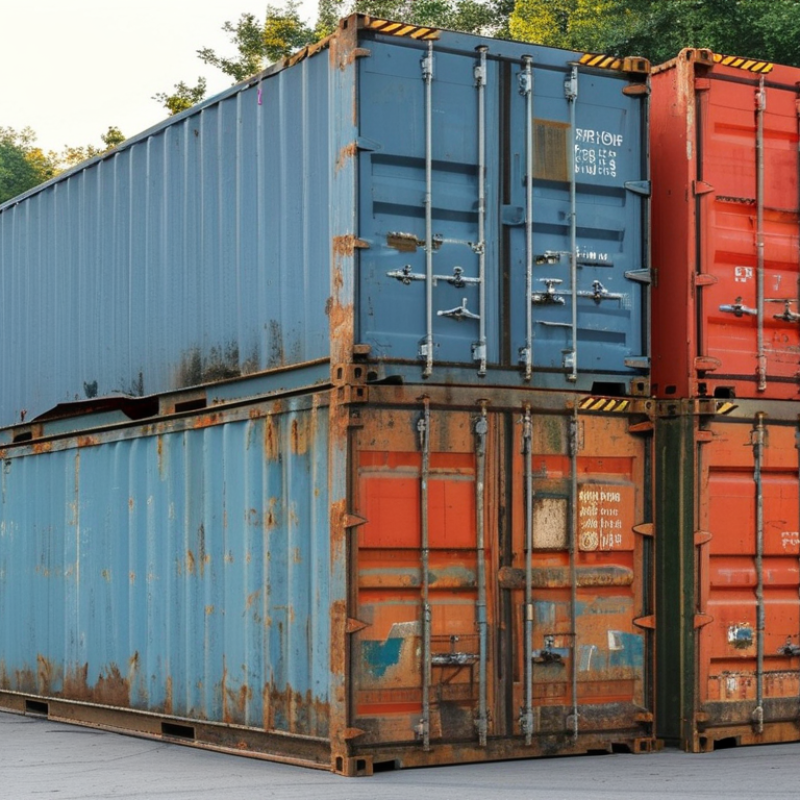
A standard 20-foot dry container offers approximately 33.2 cubic meters of nominal capacity. Its external dimensions are usually 20 feet long, 8 feet wide, and 8 feet 6 inches high. Internal space is slightly smaller because of wall panels, doors, and flooring. In practical use, expect about 28 to 30 cubic meters of efficient storage. Typical prices range from USD 900 to USD 2,500 for used units. New or one-trip containers commonly cost between USD 1,800 and USD 4,500. Local delivery, taxes, inspection, and lifting equipment can significantly increase the final invoice.

Experienced buyers should inspect the door seals, locking bars, roof, corner posts, and wooden floor. Look for daylight entering through holes. That is a warning sign. Light surface rust may be manageable, but deep corrosion can weaken the structure. Ask for recent photographs and confirm whether the quoted price includes delivery. Prices often appear attractive until transport is added. A less obvious issue is site access; a narrow entrance may require extra handling equipment.

Tips: Compare at least three local quotes. Measure your goods before ordering. Leave airflow around stored items. Verify that the container is wind- and watertight, not merely described as “used.” Pricing estimates are useful, but condition and location matter more than a generic online figure.

Modified Storage Units: High-Cube, Side-Door, Open-Top, and Double-Door Types

Top 10 20 Foot Storage Container Types and Prices

Modified storage units can solve problems that standard containers cannot. A 20-foot high-cube unit usually offers about one extra foot of interior height. That space helps with tall shelving, machinery, and bulky seasonal equipment. Typical prices range from $2,500 to $5,500, depending on condition, delivery distance, and modifications. Inspect the roof, floor, door seals, and corner posts before purchase. A clean appearance can hide corrosion underneath.

Side-door containers provide wider access along the long wall. They work well for workshops, retail storage, and frequent loading. Prices commonly fall between $3,500 and $7,000. Double-door models open at both ends, improving workflow for pallets and long materials. Expect roughly $3,000 to $6,500.

Open-top units have removable roof sections, making them useful for loading tall items with lifting equipment. Their prices often start near $3,800 and may exceed $7,500.

Small details matter. A warped door can become expensive. High-cube, side-door, and double-door models may also require stronger site preparation. Check the ground level before delivery, because uneven support can twist the frame. Open-top units need careful weather protection after loading. I have found that quoted prices sometimes exclude transport, crane service, paint, or interior fittings. That makes simple comparisons unreliable. Ask for written specifications, recent photographs, and a condition report. Regional supply can change prices quickly, so one local quote may not represent the market.

Specialized Units: Refrigerated, Insulated, Tank, and Office Container Prices

Top 10 20 Foot Storage Container Types and Prices

Specialized 20-foot containers cost more because their equipment, insulation, and compliance requirements add measurable complexity. A standard used unit often sells for $1,500–$3,000, according to recent Container xChange market data. Insulated units commonly range from $3,500–$8,000, depending on panel condition and flooring. They suit temperature-sensitive goods without active cooling, but performance changes with outdoor heat.

Refrigerated containers usually cost $10,000–$25,000 used, while newer models may exceed $35,000. A 2024 Drewry reefer market review highlights growing demand for temperature-controlled logistics, yet electricity and maintenance remain major ownership costs. Expect roughly $150–$600 monthly for power and routine servicing, depending on climate and operating hours. Check the compressor, controller, door seals, and temperature records before purchase.

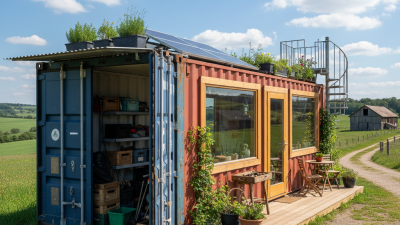
Tank containers often sell for $18,000–$45,000, based on capacity, material, insulation, and inspection status. Prices should include documentation and current pressure-test records. Office containers generally cost $8,000–$20,000, including wiring, windows, lighting, and basic finishes. Construction-cost data from industry estimating surveys shows that interior fit-out can change pricing sharply. Small details matter. Delivery may add $1,000–$4,000, depending on distance and lifting access. Buyers sometimes underestimate site preparation. That mistake deserves reconsideration.

Top 10 20 Foot Storage Container Types and Prices - Specialized Units: Refrigerated, Insulated, Tank, and Office Container Prices

Pricing basis: Indicative 2025–2026 purchase prices in USD for standard 20-foot units. Prices generally exclude transport, crane placement, site preparation, taxes, permits, and customization. Actual prices vary by location, condition, certification, equipment, and availability.
Note: Dimensions and capacities are typical specifications. Internal dimensions may differ slightly by manufacturer, door configuration, wall thickness, and insulation system.
No. Container Type Typical Application Typical External Dimensions Approx. Internal Capacity Typical Payload Indicative Purchase Price Key Features
1 Used Standard Dry Container General storage, tools, materials, and equipment 6.06 × 2.44 × 2.59 m Approximately 33.2 m³ Up to about 28,000 kg US$2,000–4,500 Weather-resistant steel shell; used condition; possible cosmetic dents
2 New Standard Dry Container Long-term storage, inventory, and export cargo 6.06 × 2.44 × 2.59 m Approximately 33.2 m³ Up to about 28,000 kg US$3,500–6,500 Better floor, door seals, and paint condition; suitable for repeated use
3 20-Foot High-Cube Container Storage requiring additional vertical clearance 6.06 × 2.44 × 2.90 m Approximately 37.4 m³ Up to about 28,000 kg US$4,000–7,500 About 30 cm more exterior height than a standard unit
4 Open-Top Container Oversized machinery, scrap, timber, and bulk cargo 6.06 × 2.44 × 2.59 m Approximately 32–33 m³ About 26,000–28,000 kg US$5,000–9,000 Removable fabric roof or hard-top option; top-loading capability
5 Double-Door Container Drive-through storage and access from both ends 6.06 × 2.44 × 2.59 m Approximately 33.2 m³ Up to about 28,000 kg US$5,500–9,500 Cargo doors on both short ends; improved loading and unloading flow
6 Side-Opening Container Retail stock, event equipment, and wide-load access 6.06 × 2.44 × 2.59 m Approximately 31–33 m³ About 25,000–28,000 kg US$7,000–12,000 Large side doors across most of the container length
7 Insulated Container Temperature-sensitive goods without active refrigeration 6.06 × 2.44 × 2.59 m Approximately 28–31 m³ About 25,000–28,000 kg US$6,000–11,000 Insulated walls and ceiling; helps reduce heat transfer but does not actively cool
8 Refrigerated Container Food, pharmaceuticals, flowers, and frozen products 6.06 × 2.44 × 2.59 m Approximately 27–29 m³ About 25,000–27,000 kg US$12,000–55,000 Active cooling system; typical operating range approximately −25°C to +25°C
9 20-Foot ISO Tank Container Liquids, chemicals, food-grade products, and gases 6.06 × 2.44 × 2.59 m frame Typically 14,000–26,000 L Typically 20,000–30,000 kg US$20,000–45,000 Cylindrical tank mounted in an ISO frame; certification and tank material affect price
10 Office and Site Accommodation Container Temporary offices, security rooms, workshops, and site facilities Approximately 6.06 × 2.44 × 2.59 m Approximately 25–33 m³ Usually 10,000–20,000 kg usable load US$12,000–30,000 Insulation, windows, lighting, electrical wiring, flooring, and optional HVAC

Comparing the Top 10: Payload, Tare Weight, CSC Plates, and Delivery Costs

Top 10 20 Foot Storage Container Types and Prices

A 20-foot standard dry container often costs $1,500–$3,500 used. New units may exceed $4,000. High-cube, double-door, open-top, open-side, refrigerated, insulated, tank, flat-rack, platform, and hard-wall types usually cost more. Container xChange market analysis from 2024 shows that condition, region, and equipment shortages strongly influence used-container prices. These figures are practical estimates, not fixed quotations.

Payload needs careful checking. A standard 20-foot unit commonly weighs 2,200–2,400 kilograms empty. Its maximum gross mass is generally 30,480 kilograms under ISO 668, leaving roughly 28,000 kilograms of theoretical payload. Refrigerated and tank designs weigh more. Their usable payload can fall below 25,000 kilograms. The CSC plate confirms the container’s approved gross mass, inspection status, and safety details. No plate, no reliable rating. That sounds obvious, but buyers still miss it.

Delivery can change the final price sharply. Local transport may cost $150–$600, while crane unloading, permits, long-distance haulage, and difficult access add more. Drewry’s 2024 freight reporting recorded continued route-rate volatility, which affects repositioning and inland delivery quotes. Ask for a delivered price. Include chassis, waiting time, and offloading equipment. A flat site is cheaper than a narrow driveway. Price tables are not perfectly comparable. One quote may include delivery; another may not.

Get a quote
Open chat
1
Hi! How can we help you?
Chat with Pelican Containers