en es

China Top Shipping Container Transport Companies?

China’s shipping container transport sector connects factories, ports, railways, and global distribution networks. Its influence is difficult to measure with one ranking.

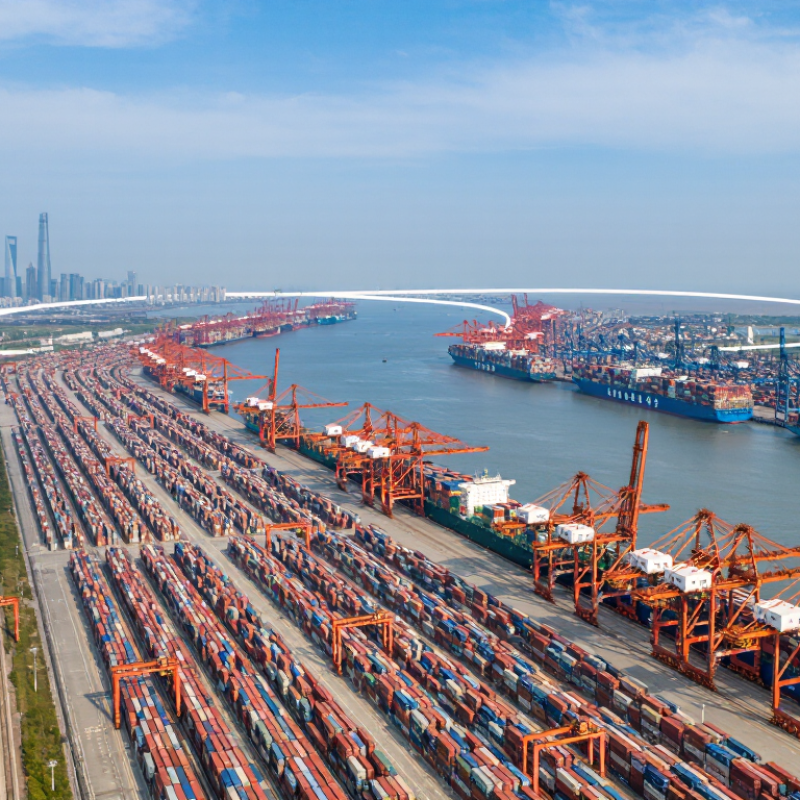
UNCTAD’s Review of Maritime Transport 2024 states that more than 80% of world merchandise trade by volume moves by sea. China remains central to this system, with major gateways including Shanghai, Ningbo-Zhoushan, Shenzhen, Qingdao, and Guangzhou. The World Bank and S&P Global’s 2023 Container Port Performance Index assessed 405 container ports, showing that port efficiency depends on vessel turnaround, inland connections, and operational consistency. Speed matters. Reliability matters more.

Lars Jensen, founder of Vespucci Maritime and a recognized container-shipping analyst, has described the sector as “a complex, global system exposed to constant disruption.” That observation deserves attention when comparing China’s leading transport companies. A large fleet does not automatically mean dependable service. Weather, congestion, equipment shortages, blank sailings, and customs delays can change results quickly. Drewry’s World Container Index also demonstrates how sharply container rates can move across major trade lanes.

This guide examines China’s top shipping container transport companies through practical criteria: route coverage, fleet capability, port access, tracking technology, schedule reliability, and customer support. Public rankings are useful, but imperfect. Some figures arrive late, while customer experiences vary by route and season. The strongest provider for a Shanghai-to-Rotterdam shipment may not suit a smaller inland exporter. That distinction is easy to miss.
China Top Shipping Container Transport Companies?

What Are China’s Top Shipping Container Transport Companies?

China’s top shipping container transport companies are usually judged by network strength, schedule reliability, equipment availability, and service transparency. UNCTAD’s Review of Maritime Transport 2024 states that more than 80% of global trade by volume moves by sea. This scale makes China’s carriers and freight operators important links between Asian factories, ports, and overseas distribution centers.

The strongest operators usually combine ocean services with inland trucking, rail connections, customs coordination, and warehouse support. Look for stable sailing schedules, clear detention charges, and real-time container tracking. The World Bank’s Container Port Performance Index measures how quickly vessels are handled, but it does not measure every carrier’s customer service. That distinction matters. A fast port cannot repair poor communication.

In practice, compare recent on-time performance, blank sailing frequency, container availability, and claims handling. Drewry’s World Container Index also shows how sharply spot freight prices can change during disruptions. A low quotation may become expensive after surcharges or storage fees. Ask for written rate validity and port-specific conditions. Small details count.

Some companies offer impressive digital dashboards but weak human support. Others respond quickly but provide limited tracking. My own view is imperfect: reliability deserves more weight than the cheapest initial quote, yet every shipper should test that assumption with shipment records. A short pilot shipment can reveal more than a polished sales presentation.

How China’s Container Transport Industry Operates

How China’s Container Transport Industry Operates

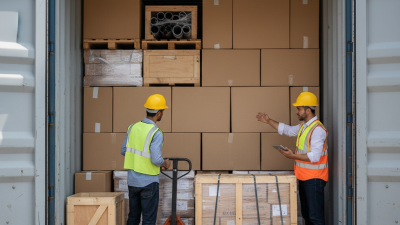
China’s container transport industry connects factories, inland depots, rail terminals, and seaports. A shipment usually begins with production planning and container booking. The carrier confirms space, equipment type, cutoff time, and port requirements. A truck then collects the empty container from a designated depot. At the factory, workers load and secure the cargo according to safety procedures. Weight records and shipping documents must match the actual contents. Small errors can delay the entire movement.

The loaded container travels through road, rail, or a combined transport network. Digital tracking records gate entries, inspections, transfers, and port loading. At the terminal, cranes move containers between trucks, storage blocks, and vessels. Customs and port authorities review required information under applicable regulations. Weather, congestion, equipment shortages, and inaccurate paperwork can still disrupt schedules. The system is advanced, but it is not flawless. A missing seal photo may create unnecessary questions. Some delivery estimates also remain too optimistic.

Tips: Confirm cargo dimensions before booking. Check the verified container weight carefully. Keep invoices, packing lists, and transport instructions consistent. Ask for the terminal cutoff time in writing. Track milestone updates, not only the final arrival date. Build a small buffer for holidays and port congestion. Clear communication matters more than fast promises.

China Top Shipping Container Transport Companies? - How China’s Container Transport Industry Operates

Industry Dimension Verified Industry Data or Operating Fact How It Affects Container Transport Reference
National container throughput China’s ports handled approximately 295.9 million TEUs in 2023. This makes port handling capacity, berth productivity, inland connectivity, and equipment availability critical to shipping performance. China Ministry of Transport, 2023 port transport statistics
Main transport gateways The largest container gateways are concentrated in the Yangtze River Delta, Pearl River Delta, Bohai Rim, and southeastern coastal regions. Regional production clusters can select different gateways according to factory location, sailing frequency, inland cost, and transit time. China port network and regional logistics structure
Standard container measurement TEU means twenty-foot equivalent unit. A standard 40-foot container equals approximately 2 TEUs. TEU is used to compare port capacity, vessel capacity, terminal volume, and market demand. ISO container measurement convention
Common container types Dry containers are most common. Refrigerated, open-top, flat-rack, and tank containers serve temperature-sensitive, oversized, or liquid cargo. The cargo type determines equipment availability, handling requirements, documentation, and total freight cost. ISO container categories and international shipping practice
Primary transport mode Ocean shipping carries the majority of China’s international containerized cargo because it offers high capacity and lower unit cost than air transport. Ocean freight is generally selected for heavy, non-urgent, and high-volume shipments. International intermodal freight practice
Inland collection Factories commonly move containers to terminals by truck, rail, or barge before vessel loading. The factory-to-port leg can influence total transit time as much as the ocean leg, especially during peak periods. Chinese intermodal logistics operating model
Booking and documentation A typical shipment requires cargo details, container type, gross weight, shipping instructions, commercial documents, and export customs information. Incorrect weight, commodity, or consignee information can cause corrections, inspection delays, or additional charges. International maritime documentation requirements
Verified gross mass The shipper must provide the container’s Verified Gross Mass before loading under the SOLAS container-weight requirement. Accurate weight information supports vessel stability, safe stowage, and terminal acceptance. IMO SOLAS Verified Gross Mass requirement
Terminal handling sequence The standard sequence is empty-container release, cargo stuffing, gate-in, customs processing, yard stacking, vessel loading, discharge, and empty-container return. Each handoff creates potential costs related to storage, demurrage, detention, inspection, or re-handling. Standard container terminal workflow
Shipping service structures Common service arrangements include full-container load, less-than-container load, port-to-port, door-to-port, port-to-door, and door-to-door transport. The selected structure determines who arranges inland transport, customs clearance, consolidation, and final delivery. International freight-forwarding terminology
Pricing components A shipment quotation may include ocean freight, origin and destination terminal charges, documentation, customs services, inland haulage, fuel-related charges, and applicable surcharges. The lowest ocean rate is not always the lowest landed cost because local charges and inland transport can be substantial. Container freight quotation structure
Operational risks Major risks include port congestion, vessel schedule changes, equipment shortages, customs inspection, extreme weather, labor disruption, and geopolitical route changes. Shippers should allow schedule buffers and confirm cut-off times, free-time terms, cargo insurance, and contingency routing. Common maritime logistics risk categories
Carrier selection criteria Practical evaluation factors include port coverage, sailing frequency, schedule reliability, equipment availability, transit time, documentation quality, claims handling, and total cost. A suitable transport provider should be assessed by route performance and service fit rather than headline freight price alone. Industry-standard procurement criteria

Major Types of Container Transport Companies in China

China Top Shipping Container Transport Companies?

China’s container transport market is not built around one company type. Different providers control different stages, costs, and service risks. Knowing these roles makes a quote easier to test.

Ocean carriers move full containers between Chinese ports and overseas destinations. They manage vessels, sailing schedules, container equipment, and port procedures. Their direct services can suit regular shipments with stable volumes. However, sailing changes may affect delivery dates.

Freight forwarders coordinate bookings, documents, customs communication, inland pickup, and final delivery. They are useful when a shipper needs one contact for several tasks. Their performance depends on clear communication and accurate cargo details.

Non-vessel-operating common carriers purchase space from ocean carriers and resell transport capacity. They may offer flexible routing or better options for smaller volumes. Service quality can vary between routes.

Inland transport companies handle container trucks, rail connections, depot transfers, and warehouse loading. A truck may collect a container from a factory at dawn, then wait near a crowded terminal. That small delay can influence the whole schedule.

Intermodal providers combine road, rail, and sea transport, often reducing long-distance trucking pressure. They require careful coordination between handover points.

A reliable selection process checks operating licenses, insurance information, equipment availability, transit records, and written surcharges. Ask who handles damaged equipment or missed cut-off times. This question is often overlooked.

Rates alone do not show operational strength. A cheaper offer may exclude terminal handling, storage, or inland waiting charges. Even experienced shippers can miss these details when schedules change quickly.

Key Services Offered by Leading Chinese Carriers

Leading Chinese shipping carriers provide more than basic ocean transport. Their core services include full-container-load and less-than-container-load shipping for different cargo volumes. They connect major Chinese ports with destinations across Asia, Europe, North America, and other regions. Sailing schedules may be weekly, but capacity can change during peak seasons. Good operators explain these changes early.

Documentation support is another important service. Carrier teams usually coordinate commercial invoices, packing lists, shipping instructions, and customs information with exporters. They also provide container booking, cargo pickup, port delivery, and shipment tracking. Some offer door-to-door transport through rail, truck, and ocean networks. This helps reduce handovers and improves delivery visibility. The details matter.

Experienced carriers often provide warehousing, container consolidation, cargo inspection, and temperature-controlled transport. They can suggest suitable equipment after reviewing product dimensions, weight, and handling needs. In practice, clear communication prevents many delays. However, service quality is not always consistent across every route or local office. A low freight quote may exclude destination handling, storage, or documentation charges. That can hurt the final budget.

I have found that reliable shipping depends on realistic schedules and accurate cargo data. Tracking systems are useful, but they cannot replace human follow-up. Customers should confirm cutoff times, transit estimates, free storage periods, and responsibility for customs procedures. Even small mistakes in carton counts can create problems. Careful planning remains essential.

China Top Shipping Container Transport Companies? – Key Services Offered by Leading Chinese Carriers

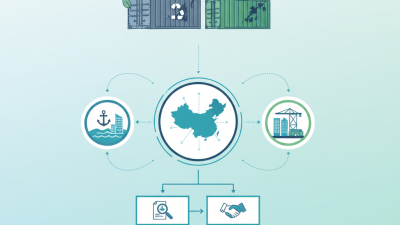
China’s container transport sector supports large-scale ocean shipping and integrated logistics services across domestic and international supply chains.

Key Services Commonly Offered

Leading Chinese container carriers generally provide full-container-load and less-than-container-load shipping, refrigerated container transport, dangerous-goods handling, customs clearance, port-to-door delivery, rail and road intermodal transport, cargo tracking, shipment documentation, and warehousing or distribution support.

Chart metric: annual container throughput at Chinese ports, measured in million TEUs. Figures are rounded and based on publicly reported annual port statistics from China’s Ministry of Transport.

How to Evaluate and Select a China Container Transport Company

Selecting a China container transport company requires more than comparing freight quotes. The UNCTAD Review of Maritime Transport 2024 reports that maritime shipping carries over 80% of global merchandise trade by volume. Small delays can therefore affect factories, warehouses, and retail schedules. Check the company’s operating licenses, port coverage, vessel schedules, and experience with your cargo type. Ask for recent on-time performance data, not only promotional claims.

Request a fully itemized quotation. It should separate ocean freight, terminal handling, documentation, customs services, insurance, and possible peak-season surcharges. The World Bank’s Logistics Performance Index 2023 evaluates customs, infrastructure, international shipments, logistics competence, tracking, and timeliness. Use these same categories when interviewing providers. A reliable company should provide container milestones, seal records, damage procedures, and a named operations contact. Test the tracking system with one shipment before signing a large contract.

A low quote still tempts buyers. It may hide weak communication or costly exclusions. No scorecard is perfect. Review at least three comparable quotes and verify references from similar routes. Consider backup plans for port congestion, equipment shortages, and weather disruption. The UNCTAD report also highlights continuing volatility in shipping markets, so fixed assumptions can age quickly. I would reassess performance monthly, including delivery accuracy, invoice changes, response time, and claims handling. A practical trial shipment often reveals more than a polished sales presentation.

Get a quote
Open chat
1
Hi! How can we help you?
Chat with Pelican Containers