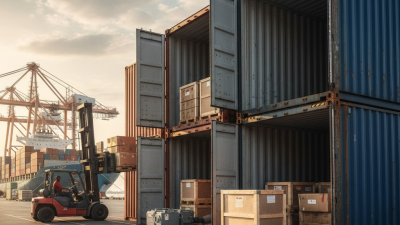
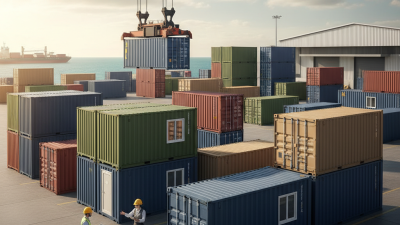
When considering sustainable solutions for storage and transportation, second hand containers are a great option in China. They are often more affordable than new containers and offer a practical approach for many businesses. This market has grown due to increasing environmental awareness and the demand for cost-effective solutions.
In China, several cities stand out for buying second hand containers. Major ports like Shanghai and Shenzhen have numerous suppliers. These locations make it easier to find high-quality containers at lower prices. It's important to research the sellers, as not all provide reliable products. Customers should look for reputable dealers with positive reviews.
Buying second hand containers requires careful consideration. Inspecting the containers before purchase is essential. Often, buyers overlook minor damages that could cause issues later. Taking the time to examine each container ensures a better investment. Remember, the goal is to find a container that meets your needs while supporting a sustainable approach.
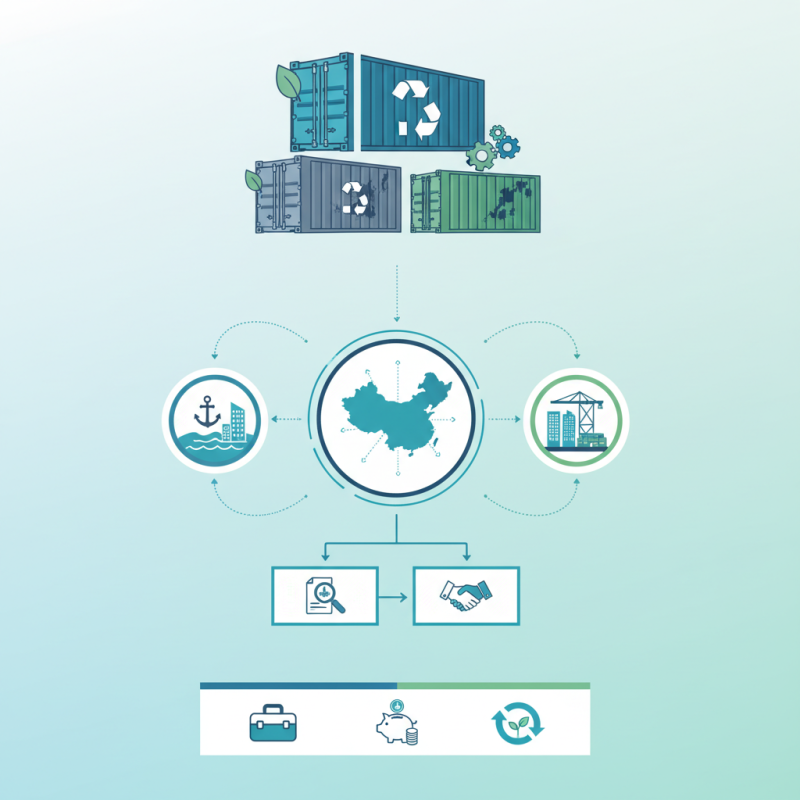
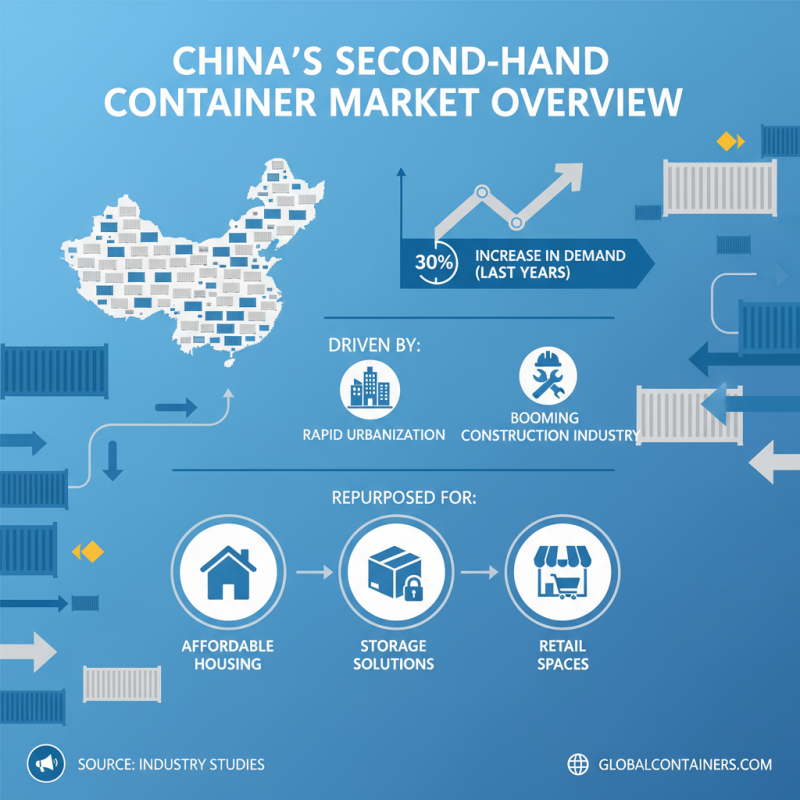
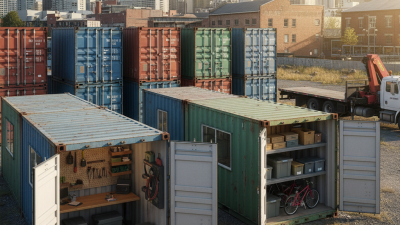
The second-hand container market in China has grown significantly, driven by rapid urbanization and a booming construction industry. According to recent studies, the demand for used containers has increased by approximately 30% in the past five years. These containers are repurposed for various applications, including affordable housing, storage solutions, and retail spaces.
A major advantage is their environmental impact. Reusing containers reduces waste and cuts down on the need for new materials. However, quality can vary widely, and buyers should inspect containers carefully. Always check for structural integrity and signs of corrosion.
**Tip:** Engage with local suppliers who have a good reputation. This ensures better service and quality assurance. Additionally, consider purchasing containers during off-peak seasons, as prices tend to drop when demand decreases.
The market also faces challenges. Availability fluctuates as global shipping routes and economic conditions change. Reports indicate that prices for second-hand containers can vary greatly depending on location and condition. Research is crucial before making a purchase.
**Tip:** Look online for reviews and testimonials about sellers. A well-informed buyer will navigate this evolving market more effectively. Exploring local auctions and networking with industry professionals can yield fruitful opportunities as well.
When it comes to buying second-hand shipping containers in China, several cities stand out. Shanghai, a major port city, offers a bustling market. Here, you can find a range of containers, from standard sizes to modified versions. The prices are competitive due to the high supply. However, it's essential to inspect the containers closely. Sometimes, issues like rust or structural damage are not easy to see at first glance.
Shenzhen is another great location for container purchases. This city is known for its modern logistics. It has numerous suppliers who offer various options. You can often negotiate prices, especially if you buy in bulk. Be mindful of the potential hidden costs, such as transportation and reconditioning. Not all sellers provide clear information.
Lastly, Guangzhou is worth mentioning. The city often serves as a hub for distribution. You can find containers in different conditions, but this means you should do your homework. Researching the seller is vital to ensure reliability. Connections to local transport can also be beneficial for smoother logistics.
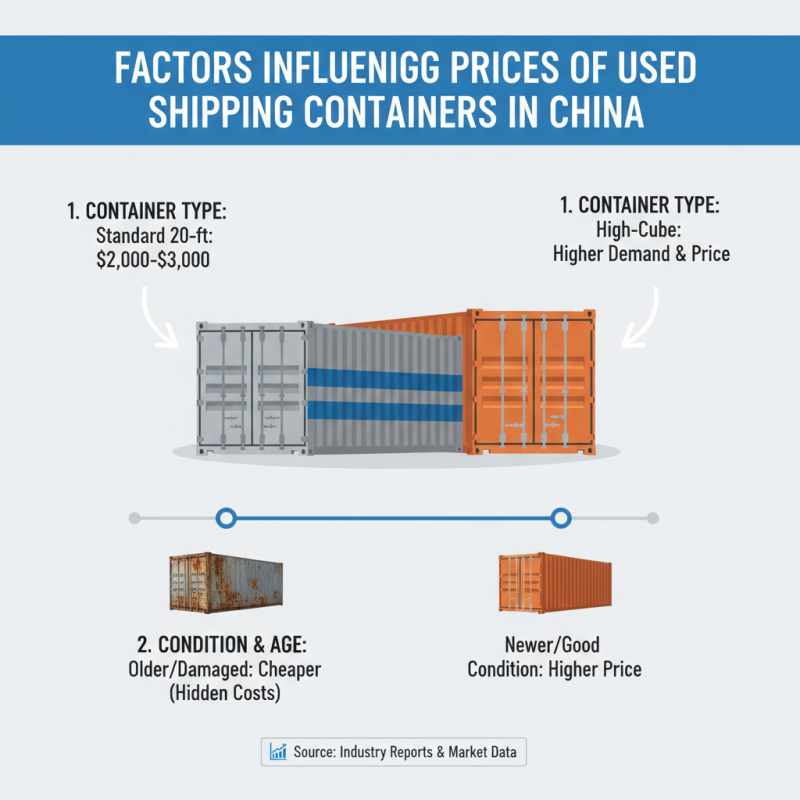
When considering the purchase of second-hand containers in China, two major factors influence prices. The type of container plays a significant role. Standard 20-foot containers may cost around $2,000 to $3,000, while high-cube variants might be priced higher due to increased demand. According to data from industry reports, prices can fluctuate depending on condition and age. Older containers may be cheaper, but they often come with hidden maintenance costs.
Geographical location impacts price as well. Coastal cities like Shanghai or Shenzhen see higher prices due to demand and accessibility. Inland areas might offer lower prices but can incur higher transport fees. Industry analysts suggest that prices can vary by as much as 15% between different regions. This disparity often leads buyers to reconsider their options, weighing the total cost of ownership against the initial purchase price.
Market trends also affect prices. A surge in global shipping can increase container costs. According to the Journal of Shipping and Trade, used container prices rose by nearly 30% in the last 18 months. Factors such as supply chain disruptions or increased shipping rates can contribute to this trend. Buyers must stay informed about these market dynamics to make cost-effective purchasing decisions.
When seeking second-hand containers in China, major cities offer various reputable suppliers and dealers. Cities like Shanghai, Beijing, and Shenzhen are prominent for their extensive markets and reliable vendors. Many suppliers focus on quality and durability, ensuring that containers meet specific needs. However, it's essential to evaluate the condition of these containers before purchasing. Inspecting for rust or structural damages is crucial.
Local dealers often provide a variety of options, such as different sizes and types of containers. While many businesses advertise affordable prices, not all deals are equal. A cheaper price might suggest compromised quality. It's advisable to ask for certifications and guarantees. Established dealers possess a transparent track record, which builds trust. Networking with local shipping or logistics companies can lead to hidden gems in the container market.
Some suppliers may lack proper documentation or might present containers with undisclosed issues. Taking time to review customer feedback can reveal insights about a dealer's reliability. Although it may be tempting to rush the buying process, diligence often pays off. Patience and careful research can help identify quality suppliers, ensuring a satisfactory purchase experience.
When buying second-hand shipping containers in China, inspection is key. A reliable report from IndustryInsights states that over 30% of used containers have unseen structural issues. Look for rust, dents, and any signs of water damage. These issues can impact the container's longevity and usefulness. Ensuring the container is marked with a CSC (Container Safety Convention) certification is vital. This mark guarantees it has been inspected and can be used for transport.
Check the container's original purpose. Containers used for transporting hazardous materials may have lingering residual impacts. Always request detailed history and inspection reports. A 2021 market analysis by ContainerStats highlighted that over 20% of second-hand containers were sold without adequate inspection paperwork. This lack of documentation can lead to unexpected costs later. Keep in mind, purchasing without proper verification can result in significant risks, leading to potential losses far exceeding the initial purchase price. Conduct thorough checks and never rush the process.
| Location | Container Type | Condition | Price Range (CNY) | Inspection Tips |
|---|---|---|---|---|
| Shanghai | Standard ISO Containers | Good | 8000 - 15000 | Check for rust and dents |
| Guangzhou | Refrigerated Containers | Fair | 12000 - 20000 | Inspect cooling unit functionality |
| Shenzhen | Flat Rack Containers | Excellent | 5000 - 10000 | Look for structural integrity |
| Beijing | Open Top Containers | Fair | 6000 - 12000 | Check for waterproofing |
| Nanjing | Tank Containers | Good | 10000 - 18000 | Inspect for leaks and cleanliness |
If for some reason you did not find the service or product you need, you can always leave a request for a free consultation and get an answer.