en es

10 Tips for Sourcing a 10ft Container Efficiently

Sourcing a 10ft container can be a challenging task. Understanding the market is essential. The demand for smaller containers is on the rise. This shift brings new opportunities and challenges.

When looking for a 10ft container, potential buyers must consider quality and pricing. Different suppliers offer varied options. Researching these suppliers is crucial to avoid costly mistakes. Not all containers are created equal. Condition and standard compliance can vary significantly.

Practical tips can facilitate a smoother sourcing process. Networking in the shipping industry provides valuable insights. Experienced professionals often know where to find the best deals. Evaluating your needs is also important. A clear understanding of storage requirements will lead to optimal choices.
10 Tips for Sourcing a 10ft Container Efficiently

Understanding the Basics of 10ft Containers for Efficient Sourcing

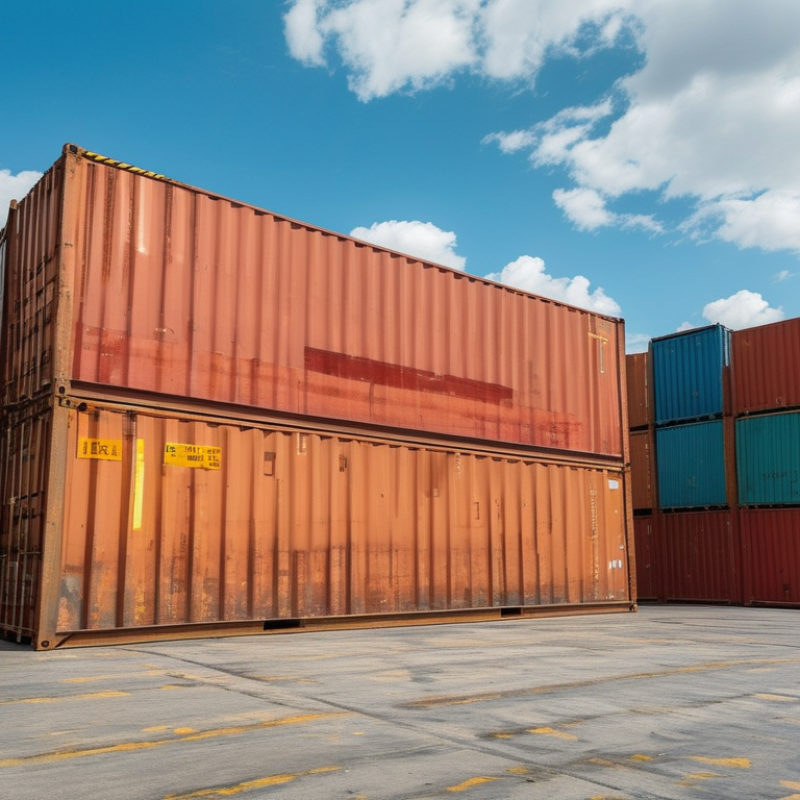
When sourcing a 10ft container, understanding its specifications is essential. A 10ft container measures 10 feet in length and typically has a width of about 8 feet. Its interior height usually reaches around 7.9 feet. This compact size makes it ideal for storage and shipping smaller quantities of goods. According to the International Organization for Standardization (ISO), standardized containers maximize transport efficiency, promoting cost-effectiveness in logistics.

Yet, sourcing involves more than just dimensions. Being aware of weight limits is crucial. A 10ft container generally has a maximum payload of about 10,000 lbs. This figure varies by manufacturer, so verifying details is necessary for proper planning. Another critical factor is the condition of the container. Research suggests that over 25% of used containers may need some repairs. Consequently, always inspect a container before finalizing a deal. Finding reliable suppliers is vital as well. Industry reports indicate that sourcing from well-reviewed dealers ensures better quality and service.

In addition, consider the shipping routes. The efficiency can significantly decline if the container must travel long distances to reach its destination. A recent survey showed that companies underestimated transportation costs by nearly 30% when factoring in domestic and international fees. Keep these insights in mind for a more effective sourcing process.

Assessing Your Shipping Needs and Requirements

When sourcing a 10ft container, understanding your shipping needs and requirements is crucial. Start by evaluating what items you plan to transport. Are they heavy machinery, delicate furniture, or food products? Each of these requires specific considerations. Assess dimensions, weight limits, and how the contents may be affected by temperature. For example, fragile items need proper padding and support. On the other hand, heavy machinery may require special rigging methods.

Next, consider your timeline. How quickly do you need the container? Delays can occur, so having a buffer is wise. If you’re on a tight schedule, ensure that you can secure the container in advance. Look into the ports your shipment will use. Each port has distinct regulations that could impact loading and unloading times. Also, consider potential customs requirements depending on your destination.

You might find various container options, but not all may meet your needs. Researching shipping services is essential. Some might advertise quick turnarounds but lack options for specific cargo types. Reflect on what factors matter most to you: cost, speed, or reliability. No one size fits all in shipping containers; finding the right match requires careful thought and some trial and error.

Researching Reliable Suppliers and Manufacturers

When sourcing a 10ft container, finding reliable suppliers and manufacturers is crucial. Start by researching online platforms and industry forums. Look for reviews and ratings from previous customers. Reliable suppliers should showcase their experience and expertise in the industry. They should also offer transparent pricing and delivery terms.

It’s important to assess potential suppliers through direct communication. Ask for references and visit their facilities if possible. A personal visit can clarify many doubts. Even the best-reviewed suppliers have flaws. You might discover inconsistent responses or unavailability during peak seasons. These experiences could indicate a lack of commitment.

In addition, explore local trade shows and exhibitions. Engaging with suppliers face-to-face can build trust. Pay attention to their professionalism during the interactions. Ask questions about their sourcing processes and quality control measures. Suppliers should be open about their methods. Don’t hesitate to walk away from those who seem evasive. Trusting your instincts can save you future headaches.

10 Tips for Sourcing a 10ft Container Efficiently

Tip Number Tip Description Importance Level Expected Outcome
1 Research multiple suppliers to compare prices. High Better pricing options.
2 Check customer reviews and ratings. High Informed decision making.
3 Verify supplier credentials and certifications. Critical Reduced risk of fraud.
4 Ask for quotes and negotiate terms. Medium Improved contract terms.
5 Visit potential suppliers' facilities if possible. High Firsthand evaluation of quality.
6 Consider the supplier's delivery options. Medium Timely shipments.
7 Review the warranty and return policy. High Peace of mind with purchases.
8 Evaluate the container's quality and condition. Critical Avoid future maintenance issues.
9 Ask for references and follow up with them. Medium Insights on supplier reliability.
10 Ensure clear communication regarding expectations. High Minimize misunderstandings.

Comparing Costs and Services for Optimal Value

When sourcing a 10ft container, understanding costs and services is key to achieving optimal value. Many factors influence pricing. The container's condition, shipping distance, and additional services can all affect cost. Make sure to compare quotes from different suppliers. This comparison helps ensure you’re not overspending on similar services.

One aspect often overlooked is hidden fees. Some suppliers may add on charges for delivery or handling. Always read the fine print. Another crucial tip for your search is to assess the quality of service. A lower price may mean compromised support. Look for providers with good reviews. They can save you headaches down the line.

Consider your specific needs. Will you require modifications to the container? Customization can increase costs but may be necessary for certain uses. Reflect on how much space you actually need. Overestimating can lead to wasted funds. Finally, ensure that the supplier has the proper certifications. This validates their reliability and can safeguard your investment. Planning and research are essential in this process.

Ensuring Compliance with Regulations and Standards

When sourcing a 10ft container, it's vital to ensure compliance with regulations and standards. Containers must meet safety and environmental guidelines. According to the International Organization for Standardization (ISO), containers must conform to specific dimensions and structural integrity to be deemed fit for international shipping. Failure to comply can lead to hefty fines and shipping delays.

Many businesses overlook the importance of certifications. It's essential to verify that the container has the necessary CSC (Container Safety Convention) plate. This plate confirms the container's safety for transport. The World Shipping Council reported that adherence to safety standards can reduce incidents by up to 75%. It’s a reminder that regulatory compliance isn't just about following rules—it's about safeguarding your assets.

Staying informed requires ongoing education. Regulations can change, impacting how containers are sourced and used. Engaging with industry professionals offers insights into the latest compliance requirements. Utilizing reputable resources for updates can mitigate risks associated with non-compliance. Regular audits of sourcing practices can help identify gaps. Relying solely on price can lead to overlooking vital safety and regulatory issues.

10 Tips for Sourcing a 10ft Container Efficiently

Get a quote
Open chat
1
Hi! How can we help you?
Chat with Pelican Containers