en es

Why Buy Second Hand Shipping Containers?

Choosing second hand shipping containers can reduce project costs without sacrificing practical performance. These steel units often serve as secure storage, workshop spaces, site offices, or temporary facilities. Their previous transport history may seem like a weakness, yet it can also reveal proven durability. A container that has crossed busy sea routes has already faced wind, rain, salt air, and repeated handling.

The savings are meaningful. A used 20-foot container may leave more budget for insulation, shelving, lighting, or ground preparation. However, price alone should never guide the purchase. Experienced suppliers inspect door seals, corner posts, flooring, roof panels, and locking bars. Buyers should request clear photographs, condition grades, inspection details, and delivery information. Small dents are usually manageable. Severe corrosion is not.

There is a practical lesson here. Not every unit is a bargain. A cheap container may require repainting, floor repairs, or difficult transport access. Reviewing these costs before payment creates a more reliable decision. It also helps buyers compare refurbished and “as-is” options fairly. Professional advice remains valuable when a container will be modified or used for long-term storage. Local planning and safety requirements should also be checked before installation.

The honest answer is simple. Second hand shipping containers offer value when condition, purpose, and total cost are considered together. This guide explains the main benefits, possible limitations, inspection points, and buying questions. It does not promise perfection. Instead, it provides a careful foundation for choosing a dependable container with fewer expensive surprises.
Why Buy Second Hand Shipping Containers?

What Is a Second-Hand Shipping Container?

A second-hand shipping container is a steel intermodal box that has already carried cargo through international transport. It may be retired from fleet service because of age, cosmetic damage, or changing logistics demand. It is not automatically damaged or unreliable. Many units remain structurally sound after years of use.

The International Maritime Organization and UNCTAD provide the wider industry context. UNCTAD’s Review of Maritime Transport 2024 reported global container ship capacity above 30 million TEU. A larger fleet creates more used containers for resale, especially near major ports. However, age, repair history, flooring condition, and door alignment vary sharply. The label can mislead. A used container with surface rust may perform well, while a cleaner-looking unit may hide water entry. I would not treat every second-hand box as equal.

Tips: Check the CSC safety plate, corner posts, roof, floor, and door seals. Ask for recent inspection photos and repair records. Measure internal dimensions, not only external length. Look for daylight inside the closed container. Also confirm delivery access, because a 40-foot unit needs a wide, stable route and suitable lifting equipment. ISO 668 dimensions help compare units, but they do not prove present condition. A practical inspection remains necessary. Perhaps this is the part buyers underestimate most.

How Used Shipping Containers Are Inspected and Graded

Why Buy Second Hand Shipping Containers?

How Used Shipping Containers Are Inspected and Graded

Second-hand containers can offer practical value because their service history is visible. UNCTAD’s Review of Maritime Transport 2023 reported over 80% of global merchandise trade moves by sea. It also recorded container ship capacity at approximately 26.6 million TEU. This huge operating network creates a steady supply of retired containers for storage and construction uses.

Inspection begins with the CSC safety plate, frame, corner castings, doors, roof, and floor. Inspectors check welds, dents, corrosion, door seals, and water penetration. A flashlight often reveals small roof pinholes that ordinary photographs miss. The Institute of International Container Lessors’ inspection guidance emphasizes structural condition, safety, and repair quality. Grading terms vary by supplier, but common descriptions include cargo-worthy, wind-and-watertight, and as-is. These labels are not identical worldwide.

A cargo-worthy unit should have sound frames, working doors, and acceptable floors. Wind-and-watertight units may still show dents or cosmetic rust. That difference matters. A fresh repaint can hide corrosion, while a rough-looking box may remain structurally strong. No grade is perfect. Buyers should request dated inspection photos, repair records, internal measurements, and a written condition report. Check the floor closely. It may carry chemical odors or deep wear from years of loading. Personal inspection is better, but not always possible. Independent verification remains worthwhile, especially when the price seems unusually attractive.

Why Buy Second-Hand Shipping Containers?

Standard container sizes remain consistent after reuse, while condition and grading determine suitability. The chart compares common ISO container lengths that buyers may encounter during inspection and selection.

Used containers are commonly assessed for structural condition, door operation, floor integrity, corrosion, and wind- and watertight performance. A cargo-worthy unit should pass a documented inspection, while wind- and watertight units are generally selected for storage and non-transport applications.

Why Choose a Used Container Instead of a New One?

Why Choose a Used Container Instead of a New One?

A used shipping container often delivers practical value without the cost of fresh production. UNCTAD’s Review of Maritime Transport reports that ships carry over 80% of global trade by volume. This enormous system leaves millions of standard containers in circulation. Drewry’s Container Census has consistently placed the global fleet above 50 million TEU. That scale supports a broad second-hand market, with many units available near major ports.

Price is usually the strongest reason to buy used. A weathered container can cost substantially less than a new unit, especially when minor dents do not affect storage. It may already have shelves, ventilation, or a simple access opening. Reusing the steel also keeps a serviceable asset working longer. The World Steel Association describes steel as a highly recyclable material, but recycling still requires collection, transport, and processing. Reuse can delay those impacts.

Condition matters more than age. Inspect the roof, corner castings, door seals, floor, and underside. Look for daylight through pinholes. Smell the interior, too. Previous cargo history deserves careful checking, even when paperwork appears complete. A low price can hide corrosion or expensive repairs. This is where experience matters. Not every used container is a smart purchase, and a rushed inspection may erase the expected savings.

Why Buy Second Hand Shipping Containers? - Why Choose a Used Container Instead of a New One?

Comparison Dimension Second-Hand Shipping Container New Shipping Container
Initial Purchase Cost Usually lower. A used container generally costs less because it has already completed part of its service life. The final price depends on size, condition, location, delivery distance, and certification. Usually more expensive because the unit has new materials, new factory coatings, and no previous cargo-service history.
Typical Condition May show dents, surface scratches, faded paint, floor wear, or minor corrosion. A properly inspected unit should still meet the buyer’s requirements for storage or other intended uses. Normally has clean surfaces, unused flooring, new door seals, and minimal cosmetic wear. Manufacturing tolerances and finish can vary by supplier.
Availability and Delivery Often available quickly from local depots or regional stock, especially in areas with established container traffic. Availability varies by size and condition. May require fabrication, ordering, or transport from a manufacturing location. Lead times can be longer when demand, factory capacity, or international freight schedules change.
Expected Service Life A well-maintained steel container can remain useful for many years after retirement from shipping service. Remaining life depends on its age, corrosion level, repairs, flooring, and exposure to weather. Provides the longest potential service life because the container starts with new structural components, flooring, door hardware, and protective coatings.
Structural Integrity Should be checked for frame deformation, damaged corner castings, serious rust, holes, door alignment, and floor damage. A professional inspection is recommended before purchase. Generally offers predictable structural condition when supplied as a new standard unit, although it should still be checked for manufacturing or transport damage.
Weather Resistance Can be wind- and watertight when properly maintained, but door gaskets, roof panels, welds, and corrosion-prone areas require careful inspection and possible replacement. Usually provides new door seals, intact roof panels, and fresh protective coatings, reducing the likelihood of immediate weather-sealing repairs.
Standard External Dimensions Common units include approximately 20 ft and 40 ft lengths, with an external width of about 8 ft and an external height of about 8 ft 6 in for standard-height models. Actual dimensions may vary by specification. Uses the same common ISO-based size categories, including approximately 20 ft and 40 ft standard-height units. Exact internal and external dimensions depend on the model and manufacturer.
Internal Capacity A standard 20 ft unit typically provides about 33 m³ of internal volume, while a standard 40 ft unit typically provides about 67 m³. Wear, repairs, and lining systems may reduce usable space. Comparable standard units generally provide similar nominal internal volumes, subject to the selected design, wall thickness, flooring, and fittings.
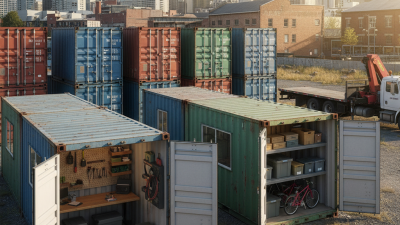
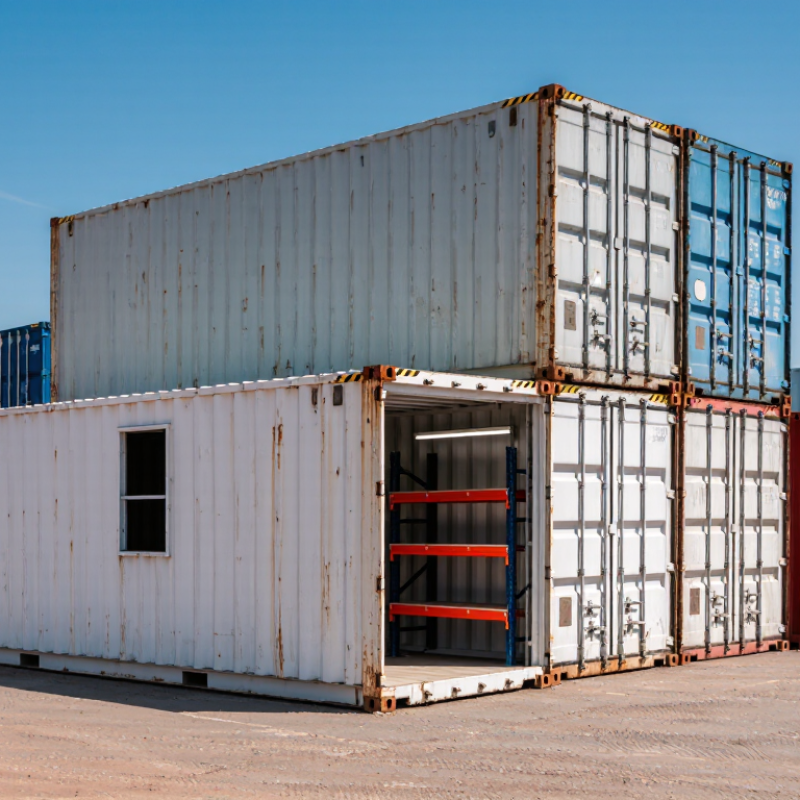
Customization and Conversion Well suited to conversion projects such as workshops, stores, site offices, and modular rooms. Existing wear can be acceptable when cutting, insulation, painting, or cladding is planned. Offers a clean starting point for detailed architectural conversions and projects where appearance, uniformity, or maximum remaining service life is important.
Environmental Considerations Extends the useful life of an existing steel asset and can reduce demand for newly manufactured materials. Environmental benefits still depend on transport, refurbishment, and final disposal. Requires new steel, coatings, flooring, and other materials. It may offer efficiency advantages when a long service life and minimal refurbishment are required.
Maintenance Requirements May need earlier attention to corrosion treatment, repainting, door seals, flooring, ventilation, and roof or wall repairs. Maintenance should be based on a documented inspection. Usually requires less immediate maintenance, although routine checks for corrosion, water ingress, door operation, and coating damage are still necessary.
Best Applications Cost-sensitive storage, agricultural storage, construction sites, temporary facilities, workshops, equipment protection, and conversion projects where cosmetic imperfections are acceptable. Long-term storage, high-visibility installations, strict appearance requirements, standardized fleets, and projects where predictable condition is more important than the lowest purchase price.
Inspection Checklist Check the roof, corner posts, corner castings, side rails, door locking bars, rubber gaskets, floor condition, corrosion, holes, odors, repairs, and evidence of water ingress. Check for manufacturing defects, transport damage, correct dimensions, door operation, coating quality, floor condition, and the documentation supplied with the unit.
Primary Buying Advantage Lower upfront cost, faster local availability, and strong suitability for practical storage or conversion. New condition, maximum remaining service potential, consistent appearance, and reduced likelihood of immediate refurbishment.
Key Buying Risk Condition can vary significantly. A low purchase price may be offset by repair, delivery, cleaning, repainting, or modification costs. Higher upfront investment. The additional cost may not be necessary for short-term storage or projects that will be heavily modified.
Important: Dimensions, condition, pricing, availability, and remaining service life vary by container specification, inspection results, location, transport requirements, and intended use. Always confirm the unit’s condition and suitability before purchase.

How to Select the Right Container for Your Needs

Why Buy Second Hand Shipping Containers?

Selecting the right second-hand shipping container starts with its intended use. A 20-foot unit suits compact storage and easier site access. A 40-foot unit offers more capacity but needs a longer, stronger placement area. UNCTAD’s Review of Maritime Transport reports that over 80% of global trade by volume moves by sea, so containers are built for demanding transport conditions. However, age and previous use still matter.

Check the container in daylight. Open both doors. Look for pinholes, roof dents, heavy floor damage, and corrosion around the corner posts. A clean paint job can mislead. Test the door seals with a hose, but do not assume one successful test proves long-term watertightness. The wooden floor should feel firm, without soft patches or chemical odors. For general storage, a cargo-worthy unit may be enough. For repeated transport, ask for a valid CSC safety plate and inspection records. The International Convention for Safe Containers requires periodic examination, yet paperwork can be incomplete.

Measure the delivery route before ordering. Tight gates, low branches, and weak ground often create avoidable costs. ISO 668 defines standard container dimensions, but external fittings and local handling equipment still vary. I would also budget for ventilation, shelving, and ground supports. Sometimes the cheapest container becomes expensive after repairs. That is easy to overlook. A careful inspection is worth more than a fresh-looking surface.

What Costs and Practical Factors Should Buyers Consider?

Buying a second-hand shipping container can reduce the purchase price, but the advertised figure rarely shows the full cost. Buyers should request the container’s age, dimensions, previous use, and repair history. A visual inspection should check roof dents, corner posts, door seals, floor damage, and internal corrosion. Bring an experienced inspector when possible. Small rust patches may be manageable. Twisted frames are not.

Transport often changes the budget. Confirm the delivery distance, road access, unloading method, and whether a crane or tilt-bed truck is needed. A narrow gate, soft ground, or low overhead cable can create delays and extra charges. Measure the placement area before ordering. The container needs firm, level support, with drainage around it. Poor positioning can stress doors and hold rainwater.

Modification costs deserve careful attention. Cutting openings, adding ventilation, insulation, lighting, or lock protection may cost more than expected. Ask for written estimates and confirm what preparation is included. Check that doors close evenly and seals remain flexible. Verify available documentation and site requirements before payment. A cheaper unit may need repainting, floor replacement, or specialist repairs. That is where judgment matters. I would rather reject a damaged bargain than discover its limits after delivery. Still, inspection is not perfect; hidden corrosion can appear later. Keep a contingency budget.

Get a quote
Open chat
1
Hi! How can we help you?
Chat with Pelican Containers