Second hand shipping containers are no longer limited to cargo yards and port terminals. They now support storage, workshops, pop-up shops, farm buildings, and carefully planned construction projects. The market offers many choices, including standard dry containers, high-cube units, refrigerated containers, open-top models, and side-opening designs. Each type has a different cost, condition, and practical purpose.
The UNCTAD Review of Maritime Transport 2024 confirms that shipping carries over 80% of global merchandise trade by volume. This huge operating network creates a steady supply of retired containers. Container xChange market reports also show that availability, leasing activity, and prices vary considerably by region. These differences matter. A 20-foot container may be affordable near a major port but expensive inland after transport and handling charges.
This guide examines the top 10 types of second hand shipping containers to buy. It focuses on real inspection points, not attractive photographs alone. Buyers should check the CSC safety plate, door seals, corner castings, floor condition, roof panels, and visible corrosion. A container that looks clean may still leak around its doors. Small rust spots can hide deeper damage. That is easy to overlook.
Drewry’s container market analysis regularly highlights the importance of equipment availability and repositioning costs. Those factors influence final prices and delivery schedules. Buyers should also confirm local planning, fire, electrical, and transport requirements before modification. The best container is not always the newest one. It is the unit that matches the intended use, location, budget, and compliance needs.
Top 10 Types of Second-Hand Shipping Containers to Buy?
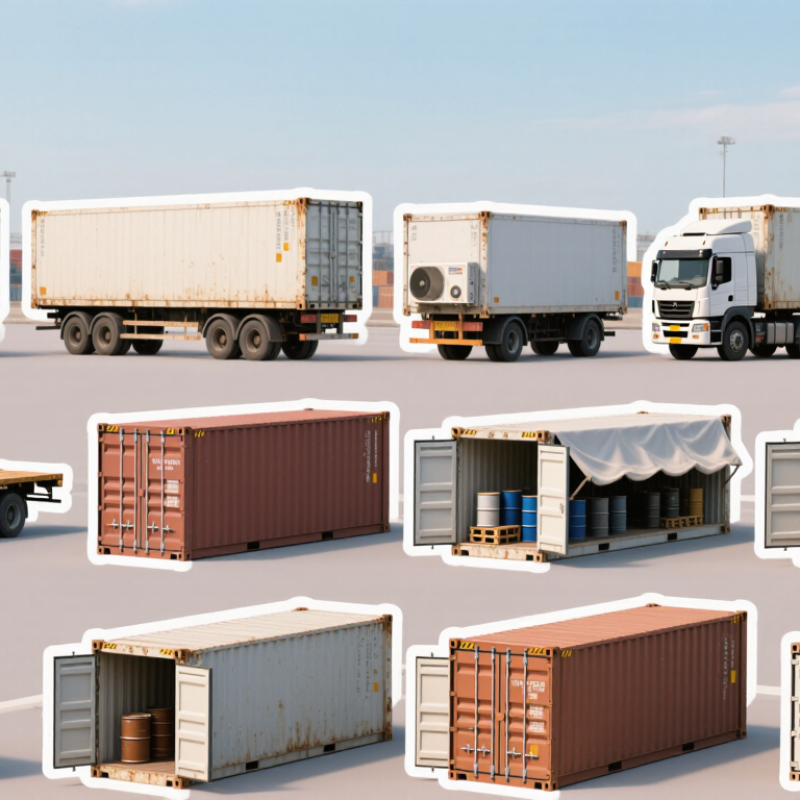
Second-hand containers include standard dry, high-cube, refrigerated, open-top, flat-rack, tank, insulated, side-opening, double-door, and one-trip units. Each type suits a different task. Standard dry containers work well for storage and general cargo. High-cube models provide an extra foot of internal height. Refrigerated units need specialist testing, even when cooling equipment looks clean.
Quality grades matter more than paint. Wind-and-watertight units usually protect stored goods from rain, but they may show dents, patched panels, or worn floors. Cargo-worthy containers meet stricter structural expectations and often carry valid CSC safety approval. IICL-graded units normally receive detailed inspections, including door seals, corner posts, flooring, and frame alignment. UNCTAD’s Review of Maritime Transport 2024 reports nearly 170 million TEU of containerized trade in 2023. Drewry’s Container Census 2024 places the global container fleet at about 29 million TEU. This scale explains the wide second-hand market, but availability varies by port.
Tips: Inspect the roof from inside. Check daylight around doors. Measure floor softness. Ask for repair records and manufacturing age. A fresh coat can hide corrosion. I prefer photographs taken inside the container, not only outside. No checklist is perfect. For machinery or sensitive goods, pay for an independent survey before purchase. Prices also reflect location, so transport can cost more than the container itself.
Top 10 Types of Second Hand Shipping Containers to Buy?
Standard Dry and High-Cube Containers for General Storage
For most general storage projects, second-hand standard dry containers offer the simplest starting point. They protect boxes, tools, furniture, and seasonal materials from rain and direct sunlight. A typical unit has steel walls, wooden flooring, locking doors, and limited ventilation. Used condition varies widely. I have seen clean interiors beside floors weakened by moisture. That contrast matters more than a low purchase price. Inspect the roof, corner posts, door seals, floor underside, and internal odor before agreeing to buy. Measure your largest item twice.
Tips: Bring a flashlight, tape measure, gloves, and a small moisture meter. Open both doors fully. Check daylight through pinholes. Look for soft flooring, fresh paint, bent rails, and standing water. Ask for recent inspection photographs and service history when available. These details improve confidence, though records are sometimes incomplete. My own mistake was trusting a neat exterior too quickly.
High-cube containers provide extra interior height, usually about one foot more than standard units. This space helps when storing tall shelving, stacked cartons, or bulky equipment. Confirm the internal height, door opening, payload condition, and placement requirements before delivery. A high-cube unit may not fit beneath every covered area. Standard dry models can be easier to position and often cost less. However, the cheapest container may require floor repairs, repainting, or seal replacement. Compare total preparation costs, not just the advertised price.
Standard dry and high-cube containers are widely used for general storage, while open-top, side-door, and refrigerated containers serve specialized needs. The chart compares their approximate usable internal volume in cubic meters.
Values are typical approximate internal capacities. Actual dimensions may vary depending on the container’s construction, insulation, doors, and condition.
Double-door and side-opening containers are practical choices when access matters. Double-door units open from both ends, making loading simpler on narrow sites. They also support a clear through-route for long tools, timber, or boxed equipment. Side-opening containers provide a wide access panel along one wall. This design works well for retail displays, workshops, and frequent stock movement.
In practical inspections, I check door alignment, hinge movement, rubber seals, and locking bars. Small defects can become expensive problems after delivery.
A used container may look sound outside but hide damp flooring or internal corrosion. Check the underside, roof seams, corner castings, and plywood floor carefully. Side-opening models need extra attention around their long door frame.
Uneven ground can affect smooth operation. Measure the opening, not only the external length and width. A forklift may need more clearance than expected. I have seen buyers focus on capacity and overlook delivery access. That mistake is surprisingly common.
Tips:
Choose double doors for end-to-end loading and side openings for frequent lateral access. Request recent photographs of every door, floor, roof edge, and interior wall. Confirm the container’s previous use and repair history. Ask whether the doors open fully after placement. Leave room for drainage and maintenance. A slightly weathered unit can be reliable, but hidden repairs deserve careful questions.
Top 10 Types of Second Hand Shipping Containers to Buy?
When buying used containers for bulky cargo, match the design to the load before checking paint or price. Open-top containers suit tall machinery, timber, and loose equipment loaded by crane. Their removable roof makes height checks easier, but damaged tarpaulins can admit rain. Inspect roof bows, corner castings, floor strength, and door seals carefully. In practical inspections, hidden corrosion often matters more than surface appearance.
Flat-rack containers handle wide or heavy cargo that cannot fit through standard doors. Foldable ends save storage space, while fixed ends can provide stronger support. Check lashing points for distortion and measure the cargo’s centre of gravity. Half-height containers work well for dense materials that are heavy but not very tall. Their lower walls simplify loading and reduce wasted internal volume. Still, confirm the permitted payload and lifting method. Small errors become expensive.
Tips: Bring a tape measure, flashlight, moisture meter, and load plan. Photograph rust, weld repairs, and floor cracks. Ask for inspection records and verify the identification plate. I would not trust fresh paint alone; it can hide repairs. Leave clearance around the cargo, and use rated restraints selected by a qualified professional. Requirements vary by route and equipment, so confirm them before purchase.
| No. | Container Type | Typical External Size | Typical Internal Capacity | Typical Tare Weight | Best for Bulky Cargo | Key Second-Hand Checks |
|---|---|---|---|---|---|---|
| 1 | 20-Foot Standard Dry Container | 6.06 × 2.44 × 2.59 m | Approximately 33 m³ | 2,100–2,400 kg | Machinery, tools, palletized parts, and dense general cargo | Floor condition, door seals, corner posts, roof leaks, and corrosion |
| 2 | 40-Foot Standard Dry Container | 12.19 × 2.44 × 2.59 m | Approximately 67 m³ | 3,700–4,000 kg | Long equipment, construction materials, furniture, and packaged cargo | Floor deflection, underframe damage, door alignment, and water ingress |
| 3 | 40-Foot High-Cube Container | 12.19 × 2.44 × 2.90 m | Approximately 76 m³ | 3,900–4,300 kg | Tall machinery, bulky packaging, lightweight oversized goods, and storage | Internal height, roof bows, corner posts, door operation, and frame twist |
| 4 | Open-Top Container | Typically 20 ft or 40 ft; standard height or high-cube variants | Approximately 33–76 m³, depending on length and height | About 2,200–4,500 kg | Crated machinery, stone, scrap, timber, and cargo loaded by crane | Top bows or removable cover, tarpaulin condition, roof rails, doors, and floor |
| 5 | Flat-Rack Container | Typically 20 ft or 40 ft; fixed-end or collapsible-end design | No enclosed cubic capacity; usable platform length is about 5.6–12.0 m | Approximately 2,500–6,000 kg | Vehicles, transformers, pipes, heavy machinery, and over-width cargo | Deck strength, lashing rings, end walls, twist-lock fittings, and weld repairs |
| 6 | Half-Height Container | Usually 20 ft; approximately 6.06 × 2.44 × 1.30 m | Approximately 15–16 m³ | About 1,800–2,800 kg | Dense bulk materials, minerals, metal products, stone, and construction debris | Bottom rails, end walls, drain condition, corrosion, and payload rating |
| 7 | Side-Door Container | Typically 20 ft or 40 ft; standard or high-cube height | Approximately 33–76 m³ | About 2,300–4,500 kg | Long items, retail fixtures, motorcycles, furniture, and difficult-to-reach cargo | Side-door hinges, locking bars, seals, door frame squareness, and floor wear |
| 8 | Refrigerated Container | Typically 20 ft or 40 ft high-cube; insulated construction | Approximately 28–67 m³ | About 2,800–5,000 kg | Temperature-sensitive equipment, food products, pharmaceuticals, and insulated storage | Cooling unit hours, temperature test, insulation panels, drain, floor, and power system |
| 9 | Insulated or Non-Operating Refrigerated Container | Typically 20 ft or 40 ft high-cube | Approximately 28–67 m³ | About 2,600–4,800 kg | Workshop storage, temperature-buffered rooms, and sensitive non-powered goods | Panel delamination, odor, condensation, floor channels, doors, and absent refrigeration equipment |
| 10 | Tank Container | Usually a 20-foot frame; tank length about 6.06 m | Common liquid capacities are approximately 14,000–26,000 liters | About 3,000–4,000 kg, depending on tank capacity and frame | Liquids, oils, chemicals, food-grade fluids, and other approved bulk liquids | Tank inspection date, pressure rating, valves, manlid, frame, labels, and suitability for the intended liquid |
Note: Dimensions, tare weights, capacities, and payload limits vary by manufacturer, construction year, CSC plate, and container configuration. Always verify the individual unit’s rating plate and inspection documentation before purchase or transport.
When buying second-hand shipping containers, specialized units need closer inspection than standard dry boxes. Refrigerated containers, often called reefers, can protect food, medicine, and temperature-sensitive materials. Check the cooling unit, door seals, interior panels, and digital temperature records. A test run should show stable cooling, not only a powered display. Listen for unusual compressor noise. Small faults become expensive quickly.
Insulated containers do not actively cool cargo. They slow temperature changes through wall insulation and sealed doors. They suit equipment, dry goods, and materials needing protection from heat or cold. Inspect insulation for dampness, crushed sections, mold, and hidden corrosion. Look beneath the floor too. A clean interior can hide damage underneath. Ask for previous use records, repair invoices, and recent inspection dates. Sellers may not know every repair, so verify critical details independently.
Tank containers require stricter checks because they carry approved liquids under pressure. Review the tank’s capacity, material, pressure rating, valves, seals, and inspection certificate. The intended liquid must match the tank specification and local transport rules. Never rely on appearance alone. No checklist is perfect. A professional inspector can identify weld damage, valve wear, or contamination that buyers miss. I would also budget for delivery, cleaning, electrical testing, and replacement seals before comparing prices. Specialized containers often look affordable until these practical costs appear.
If for some reason you did not find the service or product you need, you can always leave a request for a free consultation and get an answer.