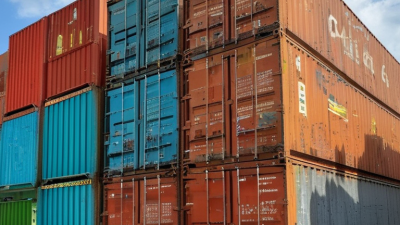
Global trade depends on predictable, secure, and adaptable storage. UNCTAD’s Review of Maritime Transport reports that maritime shipping carries over 80% of world merchandise trade by volume. That scale keeps demand strong for 40 foot storage containers across construction, manufacturing, retail, agriculture, and emergency logistics.
Size matters. A standard 40-foot container offers roughly 67 cubic meters of internal capacity, although usable space changes with cargo shape and loading methods. Buyers should examine door seals, floor condition, roof panels, corner posts, and the container’s inspection history. A small roof pinhole can become a serious problem after one tropical storm. It happens.
Industry reports also show why availability and pricing vary widely. Container xChange market updates regularly highlight differences between container leasing hubs, inland depots, and major ports. Freight rates, repositioning costs, steel prices, and regional demand can quickly change the final purchase price. Therefore, the cheapest listing may not be the lowest-cost option.
This guide evaluates leading 40 foot storage containers for global buyers using practical criteria, including construction quality, weather resistance, security features, refurbishment standards, transport compatibility, and supplier transparency. It also considers ISO-related dimensions and common CSC requirements where applicable. Yet no ranking fits every project. A dry inland warehouse needs different protection than a coastal worksite. Buyers should verify specifications, local import rules, delivery access, and warranty terms before ordering. Reliable sourcing is less about appearance and more about evidence: clear photographs, documented inspections, accurate measurements, and a supplier willing to answer uncomfortable questions.

A 40-foot storage container is a steel, modular unit designed for cargo protection, temporary storage, and site conversion. Under ISO 668, its external length is approximately 12.19 meters, with a width of 2.44 meters. Standard height is 2.59 meters, while high-cube models reach about 2.90 meters. That extra height matters when storing shelving, machinery, or tall cartons.
A typical standard unit provides around 67 cubic meters of internal space. High-cube versions offer nearly 76 cubic meters, although usable capacity decreases near doors and corner posts.
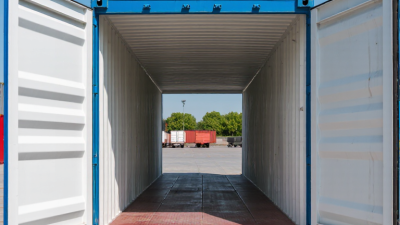
Internal dimensions usually measure about 12.03 meters long and 2.35 meters wide. Exact measurements vary with wall thickness, flooring, and door design.
Check the details carefully.
UNCTAD’s Review of Maritime Transport 2024 states that maritime shipping carries over 80% of global merchandise trade by volume. This explains the widespread availability of used 40-foot units, but age can affect storage performance. Inspect roof seams, door gaskets, locking bars, floor treatment, and ventilation openings before purchase. A container may look sound outside yet hold moisture beneath the floor.
For buyers, payload capacity is also important. Many units support roughly 26 to 29 tonnes of cargo, but the permissible limit depends on the container plate, transport method, and local requirements. The numbers are useful, not absolute. Real storage planning should allow space for airflow, handling equipment, and imperfect packing.
Top 40 Foot Storage Containers for Global Buyers
A 40-foot dry container suits boxed goods, tools, furniture, and palletized inventory. Its weather-resistant steel shell handles demanding outdoor conditions. Internal timber flooring supports heavy loads, but it still needs level placement. High-cube models provide extra height for bulky equipment and tall shelving. Open-top containers help load oversized items with cranes. Side-opening designs improve access when one end door is inconvenient. Refrigerated units serve temperature-sensitive goods, though they require reliable power and regular servicing.
Tips: Match the container type to the storage environment, not only the cargo. Check door seals, floor strength, roof dents, and previous repairs. Measure forklifts and shelving before ordering. Ask for inspection records and confirm local import requirements. Ventilation matters in humid climates. A small moisture problem can damage a full load. Do not ignore condensation.
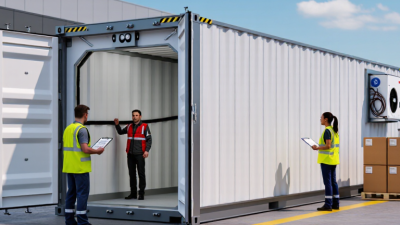
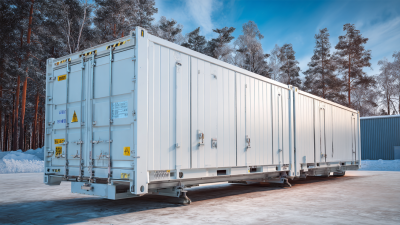
Material selection also affects service life. Weathering steel offers strong structural protection and tolerates outdoor use when maintained properly. Aluminum models are lighter and resist corrosion, but they may cost more and need careful handling. Insulated panels help stabilize internal temperatures, yet they reduce usable space. In my experience, many buyers choose the largest volume first. That can be a mistake. A smaller, better-matched unit may protect goods more effectively. Inspectors should document rust, welds, locking bars, and floor contamination before shipment. Some decisions remain imperfect, especially when climate and transport conditions change.
Top 40 Foot Storage Containers for Global Buyers
International Standards, Regulations, and Import Requirements
Choosing a 40-foot storage container involves more than checking dimensions and price. Buyers should verify compliance with ISO 1496 requirements, including structural strength, door operation, and weather resistance. A valid CSC safety plate is also essential for international transport. Inspect the plate, corner castings, roof, floor, and locking bars before purchase.
Import rules vary by destination. Confirm the correct HS code, customs value, commercial invoice, packing list, and bill of lading before shipment. Some countries require advance cargo declarations or special conformity documents. Wooden pallets and timber supports may need ISPM 15 treatment and visible marking. Check the destination port’s rules, not only the exporter’s guidance.
Measure twice.
In practical sourcing work, moisture damage is often missed because it hides beneath floor panels or inside door seals. Buyers should request recent inspection photos, repair records, and internal measurements. Used containers may show small dents but still perform reliably; severe corrosion is different. A low price can conceal cleaning, repainting, or inspection costs.
No checklist is perfect. Regulations can change after a purchase order is signed, and local interpretation may differ between ports. I would confirm requirements with customs authorities, an accredited inspection provider, and the freight forwarder. This extra step feels slow, but it can prevent storage delays, rejected documents, and unexpected port charges.
ISO nominal external dimensions for the two most widely used 40-foot container configurations. Actual internal dimensions, tare weight, payload, door openings, and maximum gross mass can vary by manufacturer and must be verified on the container CSC safety approval plate.
International buyers should confirm ISO 668 dimensional classification, a valid CSC safety approval for international sea transport, customs documentation, country-of-origin requirements, and destination-country road weight limits before import. The 40-foot High Cube version provides additional height, while both configurations use the same nominal external length and width.
A 40-foot storage container can look inexpensive until delivery, repairs, and inspection fees appear. Compare the complete landed cost, not only the quoted unit price. Ask whether the price includes doors, flooring, ventilation, repainting, and loading. Regional steel prices and port charges can change quickly. Request a dated quotation with currency, payment terms, and valid delivery conditions.
Inspect photographs carefully, but do not rely on them alone. Check corner posts, roof seams, door gaskets, locking bars, and floor boards. Rust around lower rails may indicate long-term moisture exposure. A neutral inspection company can verify dimensions, structural condition, water tightness, and previous repairs. I once underestimated a small roof dent; rain later revealed a much larger sealing problem. My checklist needed more detail.
Tips: Compare at least three written offers. Confirm available stock before paying. Request inspection records and serial details. Calculate inland transport from the arrival port. Leave room for crane rental and local permits. Evaluate suppliers through factory evidence, response quality, warranty language, and after-sales procedures. A reliable supplier explains defects instead of hiding them. Ask for recent loading photos and a clear replacement process. Shipping schedules are never perfectly stable, so build practical time into your storage plan.
Indicative international market data for buyer comparison. Prices are typical budgetary ranges in USD and may vary by origin, condition, certification, season, inland transport, taxes, customization, and destination.
| No. | Container Type | Typical Use | External Dimensions (L × W × H) |
Approx. Internal Volume | Typical Tare Weight | Typical Door Configuration | Indicative Price (USD, EXW/FOB) |
Inspection Priorities | Shipping Considerations | Supplier Evaluation Factors |
|---|---|---|---|---|---|---|---|---|---|---|
| 1 | 40 ft Standard Dry | General storage and cargo protection | 12.192 × 2.438 × 2.591 m | Approximately 67.7 m³ | 3,700–4,000 kg | One pair of end doors | $1,800–$3,500 used; $4,500–$7,000 new | Roof, corner posts, door seals, floor, corrosion, structural markings | Common equipment; usually easy to source and stack | CSC plate, repair history, photos, loading method, warranty terms |
| 2 | 40 ft High Cube Dry | Higher-volume storage and bulky goods | 12.192 × 2.438 × 2.896 m | Approximately 76.3 m³ | 3,900–4,300 kg | One pair of end doors | $2,200–$4,200 used; $5,000–$7,500 new | Overall height, roof bows, door alignment, floor moisture, wind and water tightness | Higher cube may affect road clearance and local handling limits | Accurate internal height, lifting points, dimensional tolerance, CSC validity |
| 3 | 40 ft One-Trip High Cube | Long-term storage with minimal wear | 12.192 × 2.438 × 2.896 m | Approximately 76.3 m³ | 3,900–4,200 kg | New end doors with locking bars | $4,800–$7,500 | Factory condition, paint finish, floor cleanliness, seals, dents and weld quality | May require delivery from a major port or production region | Manufacturing date, actual photographs, coating specification, export documents |
| 4 | 40 ft Double-Door | Access from both ends and partitioned storage | 12.192 × 2.438 × 2.591 m | Approximately 67.7 m³ | 3,900–4,300 kg | End doors at both ends | $3,000–$6,500 | Both door sets, frame squareness, seals, locking-bar operation, floor condition | Extra doors increase inspection, repair and water-ingress points | Door hardware availability, spare parts, modification quality and warranty |
| 5 | 40 ft Side-Opening | Pallet access, retail displays and wide loading | 12.192 × 2.438 × 2.591 m | Approximately 67.7 m³ | 4,000–4,800 kg | Full or partial side-opening doors plus end doors | $6,000–$12,000 | Side hinges, locking rods, door compression, frame deflection and seal continuity | Heavier unit; confirm crane, chassis and terminal handling compatibility | Door design drawings, load rating, replacement hardware and after-sales support |
| 6 | 40 ft Open-Side High Cube | Large machinery and oversized side loading | 12.192 × 2.438 × 2.896 m | Approximately 76.3 m³ | 4,300–5,200 kg | Large side-opening section plus end doors | $8,000–$15,000 | Structural reinforcement, side-door seals, hinges, locks and floor loading | Special handling and higher inland delivery costs are common | Engineering drawings, tested load rating, fabrication quality and service parts |
| 7 | 40 ft Reefer Shell | Insulated storage requiring temperature stability without active cooling | 12.192 × 2.438 × 2.896 m | Approximately 67–68 m³ | 4,500–5,000 kg | Insulated end doors; cooling unit may be removed | $3,500–$8,000 | Panel insulation, floor channels, odor, drainage, corrosion and remaining wiring | Heavier than dry units; verify terminal acceptance and power-unit status | Thermal specifications, decommissioning records, electrical safety and floor hygiene |
| 8 | 40 ft Insulated Storage Container | Furniture, archives and temperature-sensitive non-food goods | 12.192 × 2.438 × 2.591–2.896 m | Approximately 60–75 m³ | 4,000–5,000 kg | Insulated end doors | $5,000–$12,000 | Insulation continuity, vapor barriers, condensation risk, floor condition and door seals | Confirm external dimensions and lifting weight before booking transport | Insulation thickness, thermal test data, material safety and customization records |
| 9 | 40 ft Ventilated Dry | Coffee, cocoa, agricultural products and moisture-sensitive cargo | 12.192 × 2.438 × 2.591 m | Approximately 67.7 m³ | 3,800–4,200 kg | End doors with passive ventilation openings | $2,500–$5,500 | Vent condition, pest ingress protection, odor, condensation and floor cleanliness | Ventilation may not be suitable for rain-exposed or dust-sensitive locations | Vent design, hygiene procedures, cargo suitability and inspection documentation |
| 10 | 40 ft Flat Rack | Machinery, vehicles and oversized project cargo | 12.192 × 2.438 m platform length and width | Open platform; no enclosed volume | 5,000–6,000 kg | Fixed or folding end walls | $5,000–$12,000 used; higher for new units | Deck deflection, lashing rings, end-wall locks, welds and rated payload | Cargo overhang may require carrier approval and special stowage planning | Lashing-point certificates, payload rating, CSC status and engineering condition |
| 11 | 40 ft Platform Container | Very heavy or over-width project cargo | Approximately 12.192 × 2.438 m platform | Open platform; no walls | 5,500–7,000 kg | No standard doors or walls | $7,000–$18,000 | Deck strength, twist-lock castings, weld integrity and lashing capacity | Requires project cargo planning, securing calculations and route permits | Load test records, structural drawings, insurance support and technical advice |
| 12 | 40 ft Open Top | Tall machinery, scrap, stone and top-loaded cargo | 12.192 × 2.438 × 2.591 m | Approximately 66–67 m³ | 4,000–4,700 kg | End doors with removable roof bows and tarpaulin | $3,500–$8,000 | Roof-bow sockets, tarpaulin condition, door seals, floor and upper rails | Cargo height and lashing plan must be approved before shipment | Tarpaulin material, bow availability, CSC plate and cargo securing guidance |
| 13 | 40 ft Tank Container | Bulk liquids, powders and regulated materials | Approximately 12.192 × 2.438 × 2.591 m frame | Common tank capacity: 24,000–26,000 liters | 3,800–5,000 kg empty | Top manlid and bottom discharge valves | $15,000–$35,000 depending on specification | Tank test date, pressure rating, valves, manlid, welds, grounding and cleanliness | Dangerous-goods rules, tank certification and carrier acceptance are essential | UN/T-code, periodic test records, material compatibility and specialist insurance |
| 14 | 40 ft Modular Office Container | Temporary offices, site rooms and secure workspaces | 12.192 × 2.438 × 2.591 m or customized | Approximately 60–68 m³ usable shell volume | 4,500–7,000 kg after fit-out | Personnel doors and windows; end doors may remain | $10,000–$30,000 | Electrical safety, insulation, flooring, windows, fire exits and structural alterations | Oversized or modified units may require special road transport | Electrical drawings, local code compliance, fire rating and installation support |
| 15 | 40 ft Workshop Container | Tools, maintenance equipment and mobile workshops | 12.192 × 2.438 × 2.591–2.896 m | Approximately 60–76 m³ depending on fit-out | 4,500–8,000 kg | Personnel door, service door or end doors | $15,000–$45,000 | Workbench anchoring, ventilation, electrical system, fire protection and floor load | Confirm final gross weight and center of gravity for lifting | Scope control, electrical certification, drawings, spare parts and commissioning |
| 16 | 40 ft Secure Storage Conversion | High-security tools, documents and equipment | 12.192 × 2.438 × 2.591–2.896 m | Approximately 67–76 m³ | 4,000–6,000 kg | Reinforced personnel or cargo doors with security locks | $8,000–$25,000 | Lock protection, anti-tamper welds, alarm wiring, ventilation and emergency access | Additional modifications may affect CSC transport eligibility | Security specification, test records, access-control integration and warranty |
Buyer checklist: Confirm container grade, manufacturing or inspection date, CSC plate status where ocean transport is required, gross weight, exact external dimensions, floor condition, door operation, water-tightness, repair history, loading method, inland delivery access, import duties, destination port charges and total landed cost.
Measurement note: Dimensions and capacities are approximate industry-standard values. The applicable maximum gross mass is determined by the container's safety approval plate and local transport regulations, not by the table alone.
If for some reason you did not find the service or product you need, you can always leave a request for a free consultation and get an answer.