Why Choose an Insulated Shipping Container?
Why Choose an Insulated Shipping Container?
An insulated shipping container helps reduce heat transfer during storage and transport. That matters when products must stay within a defined temperature range. It does not, by itself, guarantee temperature stability. The cargo, insulation condition, door seals, loading practices, and any refrigeration equipment all play a part.
The Food and Agriculture Organization’s 2019 report, The State of Food and Agriculture, estimated that about 14% of food is lost between harvest and retail. That figure covers many causes, not insulation alone. Still, it shows why careful handling and suitable transport conditions deserve attention. Refrigeration researcher Professor Judith Evans has emphasized the importance of managing temperature across the whole cold chain, rather than relying on one piece of equipment. That is a useful lens when assessing container options.
Look closely at the details. A worn door gasket can let warm air seep in. A container parked in direct sun may face a heavier thermal load. Ask for insulation specifications, temperature records, and maintenance history, then compare them with your cargo’s actual requirements. A modest test shipment can reveal problems that a brochure cannot.
Small details matter.
Insulation can help buffer temperature swings, but it is not a substitute for monitoring or suitable refrigeration. Buyers should also check usable internal dimensions, cleaning needs, and loading access. These practical trade-offs are easy to overlook. The right insulated shipping container is the one that fits the route, cargo, and operating plan—not simply the one with the thickest panels.
What an Insulated Shipping Container Is
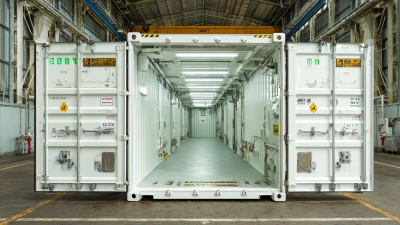
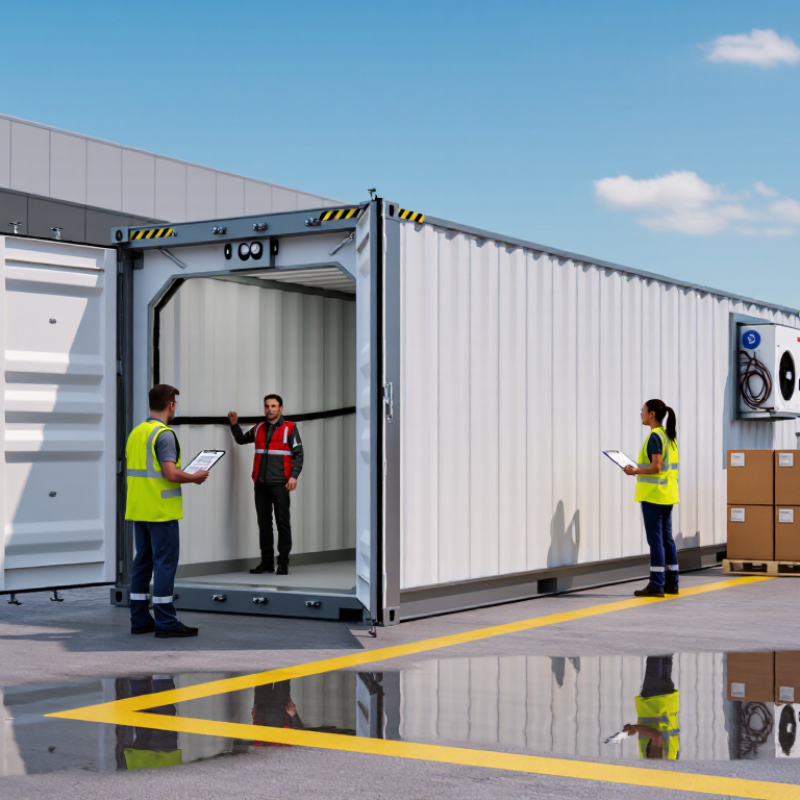
An insulated shipping container is a cargo container fitted with material that slows heat moving through its walls, roof, and sometimes floor. The insulation may sit behind an interior lining, so it is not always visible from outside. Its purpose is to reduce temperature swings, not to produce cold or warm air.
No refrigeration. Unlike a refrigerated container, an insulated unit usually has no cooling system. The exact construction varies, so the label alone tells you little about its actual performance.
Picture storing temperature-sensitive supplies through a cool night and a sunny afternoon. Insulation can soften those changes, but results depend on the material, thickness, door seals, and outside conditions. A worn seal can let air pass around the door.
Small detail, real difference.
Moisture also deserves attention: warm, humid air meeting a cold surface may cause condensation inside. That can affect cartons and stored equipment. Before selecting a unit, check the interior condition, seals, ventilation, and insulation specifications.
It is easy to assume that insulated means temperature-controlled; it does not. The suitable container depends on the cargo and the temperature range it can tolerate.
How Insulated Shipping Containers Control Temperature
An insulated shipping container slows heat gain and heat loss; it does not create cold or guarantee a fixed cargo temperature. Sun heats the steel shell. Door openings admit warm, humid air. Cartons beside the doors may warm faster than those at the center.
The U.S. Department of Energy’s Energy Saver insulation guidance gives closed-cell polyurethane foam an approximate R-value of 6–6.5 per inch. Higher R-values indicate greater resistance to heat flow, but that figure describes the material, not the whole container. Gaps, compressed insulation, wet flooring, and steel thermal bridges can weaken performance. Small details matter. ISO 1496-2:2018 sets testing requirements for thermal containers, including heat-transfer performance. Ask for test results, not just insulation thickness.
In use, operators should check temperatures at several points, especially near doors and corners. Pre-cooling the container and loading already temperature-stable goods can reduce early temperature swings. Keep airflow paths clear; tightly packed cartons can block circulation around the load. I would not treat any rating as a promise. Real routes include delays, door openings, and changing weather, and those conditions are easy to underestimate.
Why Choose an Insulated Shipping Container?
How insulation can reduce temperature swings over a 24-hour ambient temperature cycle
Insulation slows heat transfer, so the interior temperature changes more gradually than the outside temperature. This simplified thermal-response model is illustrative, not a set of field measurements; insulation alone does not actively heat or cool cargo.
Which Goods Benefit from Insulated Shipping
Why Choose an Insulated Shipping Container?
Which Goods Benefit from Insulated Shipping
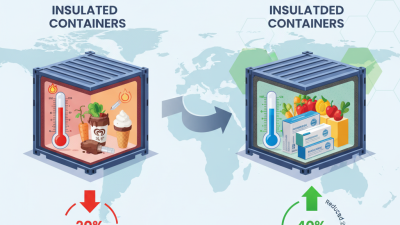
Insulated shipping containers are useful when goods must avoid rapid temperature swings during transit. Fresh produce, dairy, seafood, chocolate, and some temperature-sensitive medicines can benefit. The International Institute of Refrigeration’s 2019 report, The Role of Refrigeration in the Global Economy, estimates that inadequate refrigeration contributes to the loss of about 12% of global food production. Insulation can slow heat transfer, helping protect chilled cargo during loading delays or short journeys. But it does not actively cool or heat a shipment. That distinction matters.
Medicines need particular care. WHO guidance generally recommends storing many vaccines between 2°C and 8°C, though requirements vary by product. A container alone cannot prove that this range was maintained. Use a validated packing method, suitable coolant, and a temperature logger when the shipment’s requirements call for them. For produce or seafood, consider the cargo’s starting temperature, journey length, and time spent on a sunny loading dock. Even a well-packed load can warm up. Real routes are rarely perfect.
Tips: Match insulation and coolant to the product’s temperature range and expected transit time. Test a sample shipment with a logger before relying on the setup. Check readings at arrival; a cold outer wall does not guarantee a safe temperature at the center.
Key Advantages of Choosing an Insulated Container
Why Choose an Insulated Shipping Container?
Key Advantages of Choosing an Insulated Container
An insulated shipping container helps slow heat transfer through its walls, roof, and floor. This can reduce temperature swings during storage and transit, especially when cargo faces direct sun or chilly nights. The benefit depends on the insulation condition, door seals, airflow, and loading practices. Insulation helps; it does not control temperature by itself.
Temperature stability can matter for food quality. The FAO’s 2019 report, The State of Food and Agriculture, estimated that 14% of food is lost between harvest and retail worldwide. That figure covers many causes and does not measure the effect of insulated containers alone. Still, it shows why careful handling across the supply chain matters. Insulated walls can help protect sensitive cargo and may reduce how often active cooling needs to respond to outside heat. Small detail, big consequences. Check for damaged seals and wet insulation, since trapped moisture can weaken performance over time.
Tips: Pre-cool cargo when needed, leave room for air to circulate, and place a temperature logger near the load. Review readings after each trip; one warm corner can reveal a problem the average temperature misses.
Factors to Consider Before Selecting One
Before selecting an insulated shipping container, define the temperature range your cargo can tolerate, rather than relying on seasonal averages. Insulation slows heat transfer; it does not actively cool or heat the interior. If goods need a narrow temperature range, check whether separate climate-control equipment is necessary. Small detail, big consequence.
Compare insulation type, thickness, door seals, and floor construction. Gaps around doors can undermine otherwise good insulation, while a metal floor may transfer heat from the ground. Ask for technical specifications and inspect seals for cracks, compression, or daylight around closed doors. If possible, check the unit during warm and cool conditions; one quick visit may not reveal how it performs across a full day.
Consider where the container will sit and how often doors will open. Direct sun, wet ground, and frequent loading can affect interior conditions and condensation risk. It is tempting to choose the thickest insulation, but added cost and reduced internal space may not suit every shipment. Match the unit to the cargo, route, and handling routine, then verify usable dimensions and airflow needs. A practical choice can still involve compromises, so record the requirements before comparing options.