A 20 ft container is a versatile and widely used shipping unit. Understanding its features and specifications is essential for potential buyers. These containers are typically made of durable steel and can hold various types of cargo. They are designed to withstand harsh conditions, making them reliable for shipping and storage.
When buying a 20 ft container, it's crucial to consider several factors. The condition of the container plays a significant role in its value. You can find new, used, or refurbished containers on the market. Each option has its pros and cons. Inspecting the container before purchasing is vital, as it ensures quality and usability.
Pricing can vary greatly based on location and condition. Researching local suppliers can help you find the best deals. Sometimes, sellers may overlook hidden damages, leading to unexpected costs. The process may seem straightforward, but it often requires careful planning and thought. Taking the time to understand the details can lead to a successful purchase.
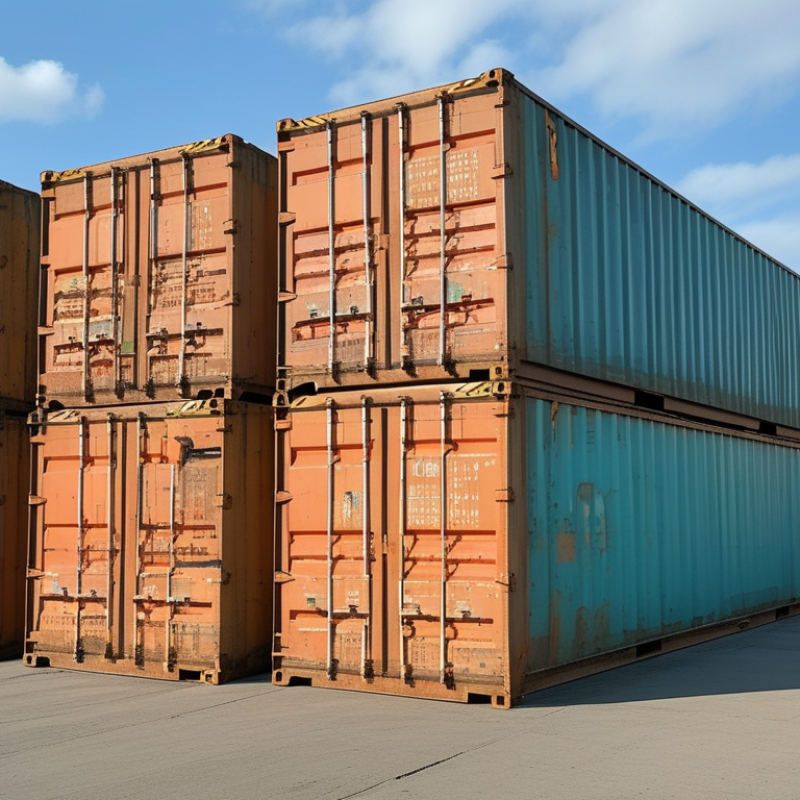
A 20 ft container is a popular choice for shipping goods around the world. Commonly used in international trade, it measures approximately 20 feet long, 8 feet wide, and 8.5 feet high. This standard size can hold about 1,170 cubic feet of cargo. It's versatile for transporting a variety of items, from furniture to machinery.
One major advantage of a 20 ft container is its durability. Made from steel, these containers are resistant to moisture and pests. However, their weight capacity is limited. Understanding how much you can load is crucial. Overloading can lead to damage and logistical issues. Every shipment should be planned carefully. This brings challenges, as estimating the size and weight of goods can be difficult.
When you consider purchasing a 20 ft container, look for trusted suppliers. Verify their reputation and the container's condition. Inspect for rust or dents, which can compromise durability. Finding a good deal is important, but so is ensuring quality. Research is essential to make a sound decision. Seek advice from those who have experience in buying containers. This can help prevent potential pitfalls and ensure a better investment.
A 20 ft container, also called a TEU (twenty-foot equivalent unit), is a widely used shipping container. It measures approximately 20 feet in length, 8 feet in width, and 8.5 feet in height. This container type is ideal for transporting various goods across oceans and land. Its design allows for easy loading and unloading, maximizing efficiency during shipping operations.
Key specifications of a 20 ft container include a maximum payload of around 28,200 pounds. The internal capacity is about 1,165 cubic feet, allowing for substantial storage options. Constructed from durable steel, they are weather-resistant and suitable for various types of cargo. Common features include strong locking mechanisms and ventilation, which help protect the contents during transit.
When looking to buy a 20 ft container, it is essential to assess its condition. New containers are often painted with fresh coatings, while used ones may show signs of wear. Inspecting for rust or structural damage is vital. Researching suppliers is also important, as prices can vary widely. Even the most reputable sellers may have hidden costs, so be prepared for negotiations.
A 20 ft container is a versatile option for shipping and storage needs. Its compact size makes it ideal for transport by truck or train. Businesses often prefer it for its efficiency in space usage. This type of container can hold a variety of goods, from furniture to machinery. Choosing a 20 ft container could save you money while providing sufficient space.
Benefits of using a 20 ft container include enhanced security. These containers are built with high-quality steel, making them resistant to theft and weather. Additionally, they are stackable, which optimizes storage space in warehouses or at loading docks. This benefit is crucial when space is limited.
Sometimes, deciding on the right container can be challenging. Ensure you measure your items accurately to avoid mistakes. Consider checking local suppliers to understand their offerings. Observe service quality and customer feedback before making a purchase decision. It can be valuable to visit a site in person if possible. These steps can lead you to a more satisfying buying experience.
When buying a 20 ft container, it’s crucial to understand your needs. These containers are often used for shipping, storage, or even converting into living spaces. Start by assessing what you intend to use the container for. Consider factors such as weight, durability, and insulation. A clear understanding of your requirements will guide you toward the right specifications.
Researching suppliers is the next step. Look for reputable companies that offer a variety of containers. Consider their experience in the industry and customer reviews. High-quality containers are essential to ensure they withstand the conditions they will face. Sometimes, lower prices indicate lower quality. Spend time comparing options and asking questions. Be cautious of any terms that seem too good to be true, as this can lead to complications down the road.
Once you narrow down your choices, inspect the containers if possible. Checking for rust, structural integrity, and functionality is critical. Don’t rush through this process. If you notice imperfections, discuss them with the seller. It’s okay to negotiate or ask for repairs. The investment in a 20 ft container can be significant, and it's important to be satisfied with your purchase. Remember, every detail counts in ensuring reliability and longevity.
| Feature | Specification | Usage and Considerations |
|---|---|---|
| Length | 20 ft (6.058 m) | Standard size for shipping goods. |
| Width | 8 ft (2.438 m) | Commonly used for bulk items. |
| Height | 8.5 ft (2.591 m) | Standard for most shipping routes. |
| Max Payload | Approximately 28,200 lbs (12,700 kg) | Ensure you do not exceed this weight limit. |
| Volume | 1,172 cubic feet (33.2 m³) | Good for a variety of goods ranging from machinery to furniture. |
| Buying Process | 1. Research sellers 2. Compare prices and conditions 3. Inspect the container 4. Negotiate terms 5. Finalize purchase |
|
| Common Uses | Shipping, storage, on-site construction offices, pop-up shops | |
When considering the purchase of a 20 ft container, several factors demand your attention. First, evaluate the intended use. Will it be for storage, shipping, or a pop-up shop? Each purpose may require different features. Consider the container's condition. New containers are reliable, but refurbished options can save money. Check for signs of rust or structural damage if choosing a used unit.
Another crucial aspect is transportation. Assess how the container will be delivered. Does your site have adequate space for a truck? Clear obstacles to ensure a smooth drop-off. Additionally, think about the local climate. Some areas might require insulation or ventilation.
You should also weigh financial considerations. Can you afford the upfront cost? Understand any ongoing expenses, like maintenance or permits. Research potential resale value too. Planning ahead can help avoid common pitfalls later on. Remember, even the best-devised plans may need adjustments. Aim for flexibility in your approach. Your needs may evolve over time.
If for some reason you did not find the service or product you need, you can always leave a request for a free consultation and get an answer.