en es

How to Choose a Small Shipping Container

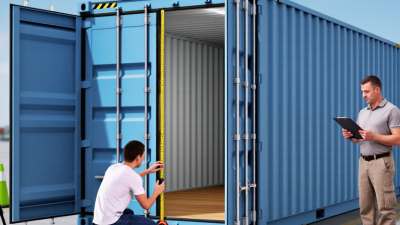
A small shipping container can add secure storage without consuming a full-size truck bay or a large section of a yard. But “small” is not a single specification. A compact model’s external size, internal usable space, door opening, payload, and floor condition can differ by design. Measure the actual items you plan to store, including awkward corners and the space needed to move them through the doors.

The wider shipping market offers useful context, but not a shortcut to choosing a unit. UNCTAD’s Review of Maritime Transport 2024 reports that global maritime trade grew by 2.4% in 2023. That figure describes the broader market; it does not prove that one container size suits every buyer. ISO 668 sets dimensions and classifications for Series 1 freight containers, yet a supplier’s specification sheet is still essential for checking a particular model. Small details matter. Compare internal dimensions with your largest item, then check the container’s weight rating, access, ventilation, and delivery clearance. A narrow gate or low branch can make a suitable-looking unit impractical. I would measure twice, and still leave room for error. Some product listings make comparisons harder than they should be. This guide explains how to assess size, condition, materials, and placement before choosing a small shipping container.
How to Choose a Small Shipping Container

Assess Your Storage or Shipping Requirements

Before choosing a small shipping container, list what needs to fit inside. Measure the longest item, then check its width and height, including handles or packaging. A bicycle, folding tables, and cartons need different layouts. Leave room to reach items at the back. A container that fits on paper may feel cramped in daily use. Small details matter.

Estimate total volume, but do not rely on volume alone. Heavy tools may exceed floor or payload limits even when space remains. Ask for interior dimensions, door-opening size, and load ratings; exterior measurements can mislead. For shipping, confirm the route, handling method, and loading equipment. For storage, consider how often you will visit, whether ventilation is needed, and how the ground drains after rain.

Keep delicate items off damp floors with suitable pallets. Think about duration, too: seasonal equipment stored for months may need more protection than a few boxes. Check seals and doors in person if possible. Photos can miss sticking hinges or uneven floors.

It is easy to measure the items and forget the hand truck. It happens. Measure the path to the container, including gates and tight turns. This may feel overly careful, but a narrow entrance can complicate delivery.

Select the Right Container Size and Type

Choosing a small shipping container starts with the load, not the advertised length. Measure the largest item and note its height, width, and turning space. An 8- or 10-foot unit may suit tools, seasonal equipment, or boxed goods. Available sizes vary by supplier. Check interior measurements, not just exterior dimensions; thick walls and door frames reduce usable space. The doorway may be narrower than expected. Leave room to walk and retrieve items, since a tightly packed container quickly becomes awkward. Measure twice.

Next, match the container type to its contents and setting. A standard dry unit works for many storage needs, while insulated construction can help reduce temperature swings. It does not guarantee stable temperatures. For frequent loading, wider or side-access doors may save time, though they can limit wall space. Inspect the floor, door seals, ventilation, and any visible corrosion. Ask how delivery works and confirm there is clear vehicle access and a firm, level base.

Check the route.

For unusually tall or delicate items, sketch the layout or mark it on the floor with tape before ordering. It is easy to overestimate usable space.

Check Condition, Materials, and Security Features

A small shipping container can appear solid from a distance and still have leaks or a sticking door. Look closely. Check the roof, corners, and floor for dents, rust holes, or soft spots. Pay special attention to seams and door edges, where water can creep in. Bring a flashlight. Look inside after rain if possible, or check for damp smells and water marks. Test both doors; they should swing without forcing them. A fresh coat of paint can hide wear, and it is easy to miss that on a quick visit.

Material affects durability and upkeep. Steel handles rough handling well, but damaged coatings can allow corrosion to spread. Surface rust is not always a deal-breaker; deep pitting or holes deserve more caution. Check the floor for swelling, cracks, and loose panels, especially near the entrance. Security features matter too. Inspect the locking bars, hinges, and hasps for bending or excessive play. A sturdy lock point helps, but the container’s placement matters: a well-lit, visible spot can discourage tampering. Ask what repairs have been made, and get the answer in writing when practical. I would not rely on appearance alone; a careful inspection takes longer, but it can prevent an expensive surprise.

How to Choose a Small Shipping Container

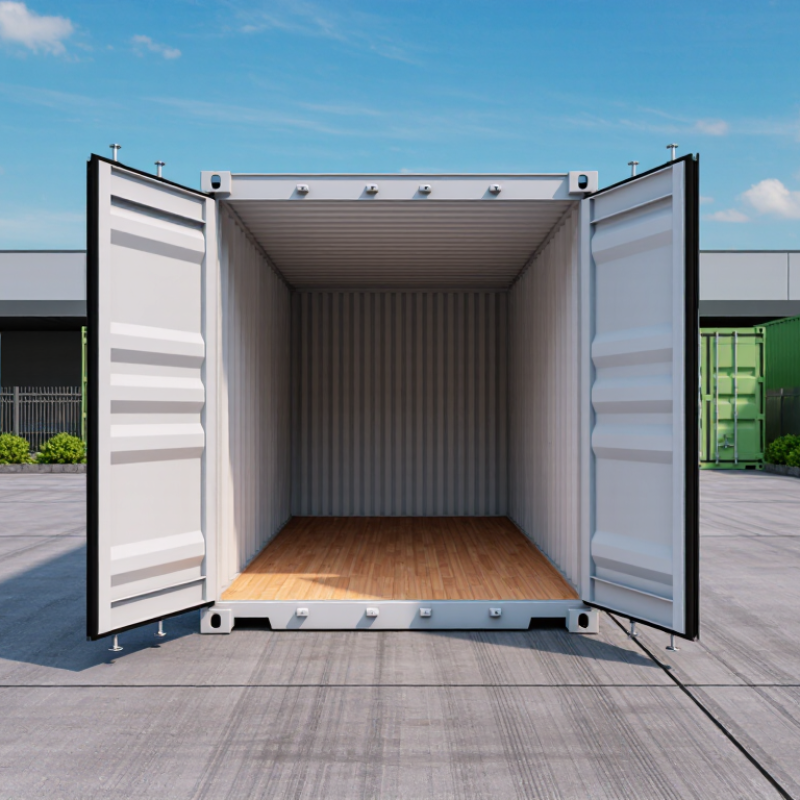
The chart compares nominal container length classes in feet; actual dimensions can vary, so confirm the unit’s measurements before purchase. Inspect the floor, doors, seals, and corners for damage or corrosion. Ask what the container is made of, and check that its locking bars and lockbox are intact to help protect the contents.

Confirm Site Access and Delivery Requirements

A small shipping container still needs a clear route from the road to its final position. Measure gate openings, driveway width, and turning space, then compare them with the delivery vehicle’s dimensions. A narrow lane can be a problem even when the container itself fits. Ask the supplier what truck or unloading equipment will be used.

Check overhead branches, cables, balconies, and nearby walls. Note the lowest clearance, not just the widest point. The driver may need extra room to position the vehicle and lower the container safely. That matters. A quick visual estimate is tempting, but a tape measure gives more reliable answers.

Look at the ground, too. Soft soil, loose gravel, or a steep slope may shift under a loaded truck. Identify a firm, level placement area and share photos or measurements with the delivery team before booking. Confirm whether the vehicle can reach the exact spot or must leave the container near the entrance. I have seen access plans miss one awkward corner; it is worth checking the route on foot. Keep parked cars, bins, and stored materials out of the path on delivery day.

Compare Prices, Warranties, and Supplier Terms

A low price can hide costs that appear after checkout. Compare quotes for the same container size, condition, and delivery distance. Check whether the price includes tax, unloading, and placement. A small container may still need a truck with enough room to turn and a clear path to its final spot. Ask for delivery fees in writing, including extra charges for waiting or difficult access. That is not trivial.

Read the warranty itself, not just the headline. Check how long coverage lasts and whether it applies to the roof, doors, floor, and structural parts. Look for exclusions involving rust, leaks, or wear that existed before delivery. Ask how to report a problem, what evidence is required, and who pays for inspection or repairs. Read the exclusions. A long warranty with narrow coverage may be less useful than a shorter, clearer one.

Supplier terms deserve the same attention as price. Confirm the deposit, balance due date, cancellation policy, and expected delivery window. Ask whether the quoted container is the exact unit shown in photos, and request current pictures of the floor, door seals, and corners. If a term sounds vague, get it clarified by email. I might be overvaluing paperwork, but a written answer is easier to rely on than a phone promise.

Get a quote
Open chat
1
Hi! How can we help you?
Chat with Pelican Containers