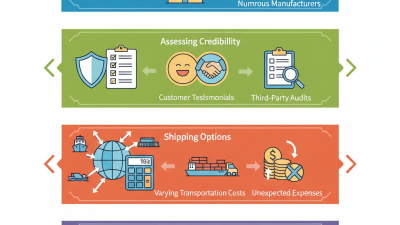
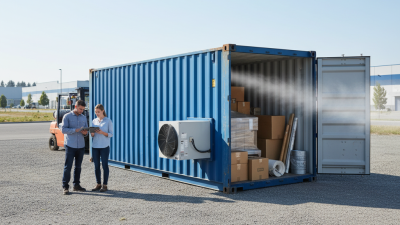
Buying a small shipping container looks simple until measurements, condition, and transport costs begin to affect the decision. Global buyers must examine more than photographs and a low quoted price. A reliable purchase starts with clear specifications, verified suppliers, and realistic delivery planning.
This guide shares ten practical buying tips based on common container purchasing concerns. Check the external and internal dimensions carefully. A few centimeters can affect storage, loading, and site access. Inspect door seals, corner castings, flooring, ventilation, and visible corrosion. Ask for recent photos, inspection records, and the container’s identification details. If the unit will be shipped internationally, confirm whether its certification and condition meet the carrier’s requirements. Rules may differ by country and port.
Small shipping container purchases can also involve hidden expenses. Request a written quotation covering handling, inland delivery, customs documentation, taxes, and unloading equipment. Confirm whether the supplier is the manufacturer, a dealer, or a reseller. That distinction may affect warranty support and communication. Ask practical questions. How was the container used? Has the floor been repaired? Can the seller provide measurements in writing?
Do not rely on assumptions. I have seen buyers focus on exterior appearance while overlooking a damaged door frame. That mistake can create water intrusion and expensive repairs. Even experienced buyers can miss details during rushed decisions. Measure twice. Review every document. Then compare the container’s intended use with local safety, planning, and import requirements. A careful process may feel slower, but it usually reduces surprises after payment.
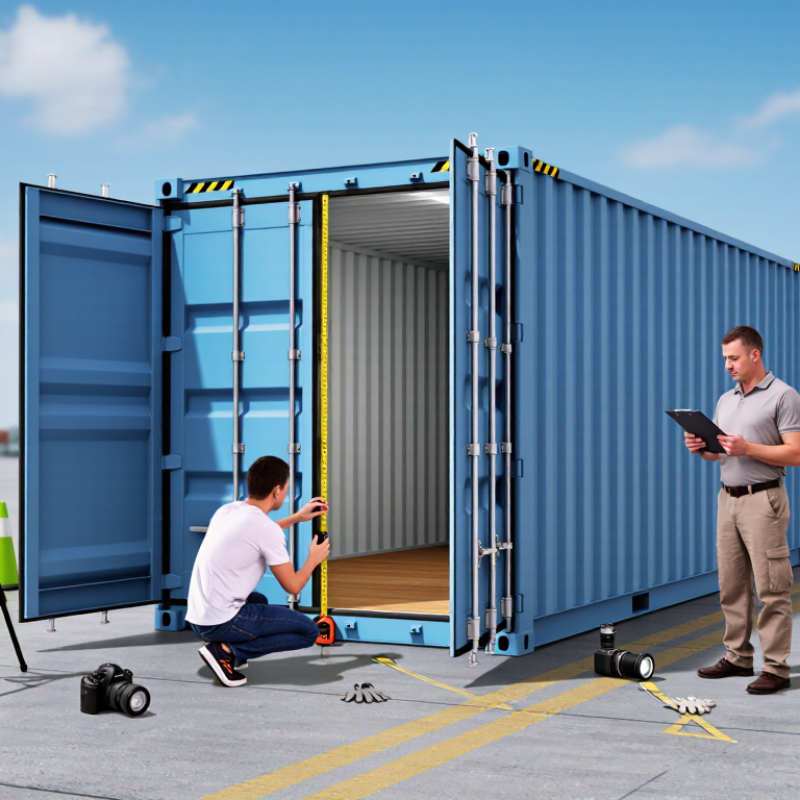
In container planning, I have learned that size decisions begin with the cargo, not the container catalogue. Measure the cargo. Record its length, width, height, weight, and center of gravity. Include pallets, protective packaging, and forklift clearance. A standard 20-foot unit often provides about 5.9 meters of internal length, but dimensions can vary. Always confirm the supplier’s drawings.
Use also determines the right specification. Dry goods may need a standard enclosed container, while moisture-sensitive cargo may require ventilation or improved interior protection. Oversized machinery could need wider doors, removable fittings, or a different loading method. Leave working space. A tightly packed container can block doors, damage cartons, and slow unloading at the destination.
Check total cargo weight against the container’s rated payload and the transport route’s road limits. Floor loading matters when machinery has small, heavy contact points. Ask for current inspection records and evidence that the unit is suitable for international transport. My early estimates were often too optimistic because packaging added more volume than expected. Recheck every measurement after packing, and allow some unused space for safe bracing. A neat plan on paper can still fail when a pallet cannot turn through the doorway.
A container is a steel asset, not just a box. UNCTAD’s Review of Maritime Transport 2023 states that ships carry over 80% of global merchandise trade by volume. That scale makes condition checks important. Inspect corner posts, roof seams, door hinges, and locking bars. Look for fresh paint hiding rust. Open and close both doors. A worn gasket can admit rain during a long voyage. Check the floor for soft spots, chemical odors, and insect damage. Photos help, but they cannot replace a physical inspection.
Tip: Request the container number, manufacture year, repair history, and current inspection date. Verify the CSC safety plate before purchase. The plate should show a valid examination date and maximum gross weight. Confirm dimensions against ISO 668 requirements, especially when your cargo needs standard handling equipment.
Materials also matter. Weathering steel resists corrosion, but deep pitting can weaken panels. Wooden floors may contain repairs or uneven sections. Ask for close-up images under natural light. Small details matter.
Age is only one risk indicator. A fifteen-year-old container with a dry interior may outperform a newer unit with poor repairs. Still, older units often need more maintenance. Think beyond the invoice. Include inland transport, cleaning, repainting, and possible floor replacement. Industry price reports can show market direction, but they may lag local conditions. That is easy to overlook. Use an independent surveyor when the shipment is valuable, and keep every certificate, photo, and inspection record. Mistakes happen when buyers trust appearance too quickly.
Small shipping containers can look inexpensive online, yet the displayed price rarely tells the full story. Compare identical dimensions, steel grades, door types, and floor conditions. Ask for recent inspection photos, internal measurements, and a written quotation. A low price may hide dents, weak flooring, or missing fittings. I have seen buyers focus on the box and overlook delivery charges.
Tip: Request two prices: delivered to the nearest port and delivered to your site. Check whether the quote includes loading, export documentation, port handling, and inland transport. Delivery terms matter. Under different Incoterms, the buyer may pay freight, insurance, customs clearance, or unloading. Confirm the responsible party in writing. A cheap quote can become expensive after a 200-kilometre truck journey and crane rental.
Taxes also require local checking. Import duty, value-added tax, storage fees, and inspection charges vary by destination and container classification. Ask a licensed customs professional for an estimate before payment. Then calculate total ownership costs, including site preparation, foundations, ventilation, locks, repainting, and yearly maintenance. Small errors add up. My own practical view is imperfect: spreadsheets help, but they cannot predict every port delay or damaged access road. Leave a contingency budget, perhaps 10 to 15 percent, and compare the final delivered cost rather than the headline price.
10 Small Shipping Container Buying Tips for Global Buyers
A small shipping container can look simple, but its paperwork deserves close attention. Ask the supplier for a registered business address, verifiable contact details, product photos, and recent inspection records. Compare the serial number on the container with the number shown on every document. A neat quotation is not proof of reliability. I have seen buyers focus on paint and doors, while missing unclear ownership records or incomplete specifications.
Tip: Request a full document pack before paying. It should include dimensions, tare weight, manufacturing details, condition reports, and transport information. Check whether the documents match your destination’s import and customs requirements. Requirements vary by country, so confirm them with an independent shipping professional. Do not depend only on the supplier’s explanation.
Tip: Choose an inspection option that fits the purchase risk. A video call can show door movement, floor condition, roof damage, and visible rust. An independent inspection is stronger, especially for several units or long-distance delivery. Ask for dated photos, moisture readings, and measurements. Small defects become expensive problems later. I sometimes underestimate how useful a basic checklist can be.
Warranty coverage also needs precise wording. Confirm what defects are covered, how long protection lasts, and who pays for inspection, parts, labor, and return transport. Ask whether used containers receive different coverage from new units. Keep every quotation, message, photograph, and payment record. Vague promises create weak protection. Even careful buyers miss this detail.
Verify suppliers, documents, inspection options, and warranty coverage before placing an order.
The chart groups the 10 buyer tips into four practical control areas. Supplier verification and documentation each contain three checks, while inspection planning and warranty review contain two checks each. Together, these steps help global buyers reduce delivery, compliance, quality, and after-sales risks.
10 Small Shipping Container Buying Tips for Global Buyers
Transport planning should begin before you compare container prices. Measure the unit, including doors and corner fittings, because shipping charges depend on exact dimensions and weight. Ask the supplier for loading photos, gross weight, and lifting points. A truck may reach the port, but not your property. Check road width, bridge limits, turning space, and unloading equipment. Small details create expensive delays.
Customs clearance requires accurate invoices, packing lists, origin documents, and product descriptions. Requirements vary by destination, so confirm them with a licensed customs broker before payment. Do not assume a container is automatically accepted as a building or storage structure. Local zoning rules may require permits. Some paperwork can still be misunderstood, even when it looks complete. Leave time for inspection.
Placement affects service life. Choose firm, level ground with drainage and enough clearance for door operation. Concrete blocks or steel supports can reduce ground contact, but they must distribute weight evenly. Keep the roof free from falling branches and allow airflow around the walls. During long-term maintenance, inspect welds, seals, hinges, and floor edges every few months. Remove surface rust early, then apply a suitable protective coating. Ventilation matters in humid climates. A small moisture problem can damage stored goods quietly. My own planning error would be ignoring future access; a container placed too tightly becomes difficult to inspect, repair, or relocate.
| No. | Buying Dimension | Practical Specification or Check | Typical Data or Requirement | Why It Matters for Global Buyers | Recommended Action |
|---|---|---|---|---|---|
| 1 | Select the right container size | Compare external dimensions, internal usable space, door opening, and payload. | A standard 20-foot dry container is approximately 6.06 m long, 2.44 m wide, and 2.59 m high externally. Internal volume is commonly about 33 m³, subject to design and manufacturer tolerances. | The selected size affects inland transport, site access, storage capacity, and total landed cost. | Measure the cargo and installation site before requesting a quotation. |
| 2 | Confirm weight and payload | Check tare weight, maximum gross mass, and the legal road limit in the destination country. | A 20-foot dry container often has a tare weight of roughly 2.2–2.4 tonnes. Maximum gross mass is commonly around 30.48 tonnes under ISO container specifications, but road limits may be lower. | A container can be structurally capable of carrying more than local roads, bridges, or permits allow. | Calculate cargo weight plus packaging and obtain a certified gross mass when required for ocean shipping. |
| 3 | Plan transport and route access | Review truck type, loading method, turning radius, overhead clearance, road width, and delivery restrictions. | A loaded container may require a chassis, suitable lifting equipment, and a route that supports the combined vehicle and cargo height. | Unexpected access problems can cause demurrage, redelivery charges, crane fees, or unloading delays. | Request a site survey and confirm delivery equipment in writing before shipment. |
| 4 | Check export and import documents | Verify the commercial invoice, packing list, bill of lading, origin information, and any required conformity documents. | Used containers may require accurate descriptions, serial numbers, condition details, and customs valuation documents. | Incomplete or inconsistent paperwork can delay customs release and increase storage costs. | Ask a licensed customs broker to confirm the destination documentation before dispatch. |
| 5 | Estimate customs and landed cost | Include purchase price, ocean freight, insurance, duties, taxes, port handling, brokerage, inland delivery, and unloading. | Duty and tax rates depend on the destination country, tariff classification, declared value, origin, and local regulations. | The lowest factory or port price may not produce the lowest delivered cost. | Build a landed-cost worksheet and request a written quote with clearly defined Incoterms. |
| 6 | Inspect condition and structural integrity | Inspect corner posts, rails, cross-members, doors, locking bars, floor, roof, and wall panels. | Look for severe corrosion, holes, distorted frames, damaged seals, contaminated flooring, and doors that do not close or lock properly. | Structural repairs and water ingress can be more expensive than the initial price difference between grades. | Use dated photographs, a written inspection report, and an agreed condition grade. |
| 7 | Prepare the placement foundation | Use a level, stable, well-drained surface with support under the primary corner areas. | Common supports include reinforced concrete pads, compacted gravel bases, or engineered steel supports selected for local soil and load conditions. | Uneven settlement can twist the frame, prevent doors from operating, and allow water to collect beneath the unit. | Level the site, provide drainage, and obtain engineering advice for weak soil or permanent installations. |
| 8 | Check local permits and intended use | Confirm zoning, planning permission, fire rules, electrical requirements, and restrictions on residential or commercial conversion. | Requirements vary by municipality and may change when a container becomes a building, workshop, office, or habitable space. | A legally importable container may still require approval for placement or modification. | Consult the local authority before cutting openings, adding utilities, or installing the container permanently. |
| 9 | Control moisture, ventilation, and temperature | Use ventilation, desiccants, pallets, vapor control, insulation, or climate-control equipment according to the cargo. | Steel containers can experience condensation when exterior and interior temperatures change, especially when air circulation is limited. | Moisture can damage cargo, promote corrosion, and cause mold or odor problems. | Keep goods off the floor, allow airflow, inspect after rain, and use suitable moisture-control products. |
| 10 | Plan long-term maintenance and security | Create a schedule for corrosion treatment, roof and seal checks, door lubrication, drainage clearance, locks, and pest control. | Inspect at least twice a year and after severe weather; increase inspection frequency in coastal, humid, or chemically aggressive environments. | Early repairs help preserve weather resistance, security, and resale value. | Keep an inspection log, repair minor coating damage promptly, and use a suitable tamper-resistant lock. |
Note: Dimensions, weights, payloads, customs procedures, permits, and transport limits vary by container specification and destination jurisdiction. Confirm final requirements with the carrier, customs authority, transport provider, and local building authority.
If for some reason you did not find the service or product you need, you can always leave a request for a free consultation and get an answer.