2026 Top 40ft Shipping Container Prices Worldwide?
The global market for a 40ft shipping container will remain closely watched in 2026. Buyers, exporters, manufacturers, and logistics providers all face different price conditions. A new 40ft shipping container may cost far more than a used unit, while regional shortages can quickly change local quotations. Port congestion, steel prices, factory output, inland transport, and currency movements also influence the final figure.
John Fossey, a respected container equipment analyst associated with Drewry, observed: “Container prices are highly cyclical.” This short statement remains highly relevant. Prices can rise in one coastal market while falling inland. A container available in Shanghai may carry a different value from one stored in Rotterdam or Los Angeles. Location matters.
This guide examines estimated 2026 prices across major global regions. It considers new, used, cargo-worthy, and one-trip containers. It also explains delivery fees, inspection points, customization costs, and leasing alternatives. Buyers should compare complete landed costs, not only the advertised box price. That is where many comparisons become misleading.
Prices are not perfectly predictable. Even reliable forecasts can change after a fuel shock, trade imbalance, or sudden equipment shortage. Therefore, the figures presented here should support planning, not replace a current supplier quotation. Real-world experience suggests checking door seals, flooring, corner posts, roof condition, and certification before payment. Small defects can create large expenses later. Some estimates may also need revision as 2026 develops. That uncertainty deserves attention.
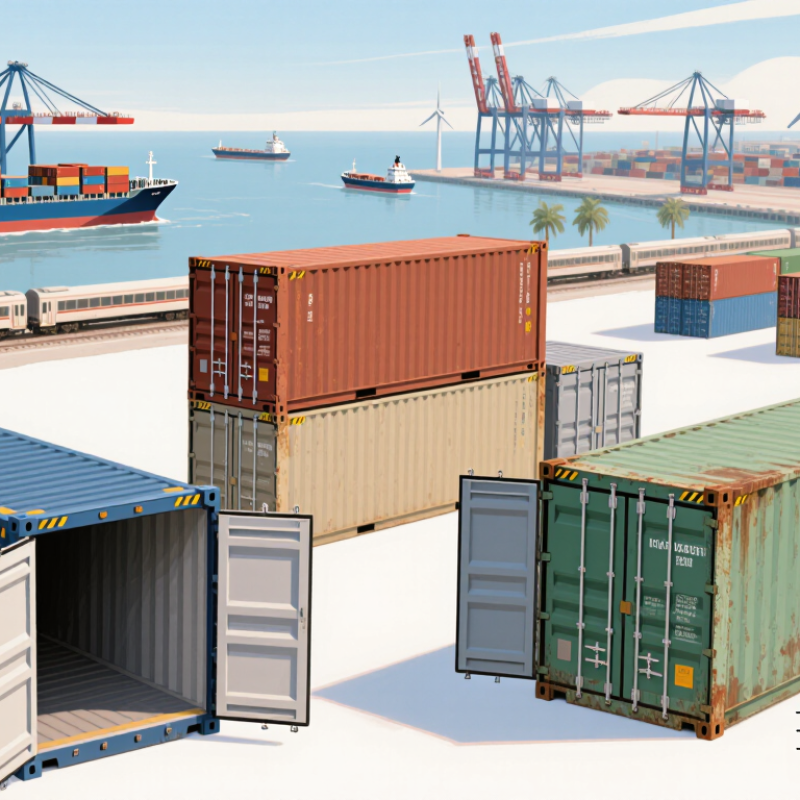
What Is a 40ft Shipping Container?
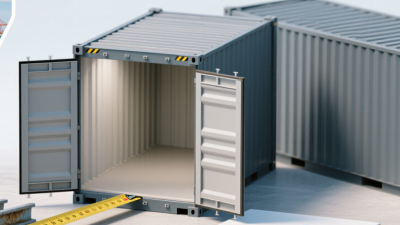
A 40ft shipping container is a large steel cargo unit built for international transport and long-term storage. Its standard external length is about 12.19 metres. It is usually 2.44 metres wide and 2.59 metres high. Interior space often reaches 67 to 76 cubic metres, depending on its design.
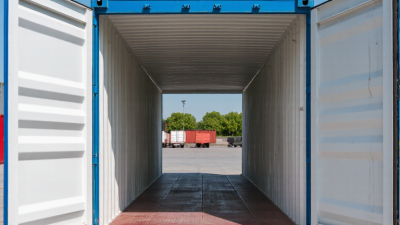
It can carry furniture, machinery, packaged materials, and other lawful commercial goods. A standard model has rear-opening doors, a corrosion-resistant floor, and corner fittings for lifting. High-cube versions provide extra internal height. That small difference matters when loading tall equipment or stacked cartons. Payload limits vary by construction and local transport rules. Check the plate.
In 2026, worldwide prices depend on location, condition, age, delivery distance, and market supply. New units generally cost more than used ones with dents, surface rust, or repaired floors. Regional taxes and inland transport can change the final figure sharply. A neat spreadsheet can still mislead. From practical inspections, door seals and floor damage deserve close attention. A container may look sound outside but hide moisture stains inside. Buyers should confirm dimensions, inspection records, delivery terms, and total landed cost before paying. Local availability sometimes matters more than the advertised base price.
How 40ft Container Prices Vary Worldwide in 2026
In 2026, 40ft container prices differ sharply between regions. A new standard dry container may cost about $3,000 to $6,500 before delivery, taxes, and port charges. Used units can be cheaper, often between $1,500 and $4,000. These figures are practical estimates, not fixed quotes.
Supply conditions explain much of the variation. Manufacturing hubs usually offer lower prices, especially when nearby depots hold excess stock. Import-heavy markets may charge more because containers must be repositioned. Port congestion, steel costs, inland trucking, seasonal demand, and currency movements also influence the final invoice. A container near a major port may still become expensive after delivery to an inland warehouse. I have found that buyers often compare the unit price first, then discover unexpected transport or inspection fees. That mistake is easy to make.
Tips:
Ask for a complete landed-cost quotation. Confirm dimensions, floor condition, door seals, manufacturing year, and certification documents. Inspect photographs carefully, but do not rely on them alone. Prices can change within days. Leave room for negotiation, yet question unusually low offers. They may exclude delivery, taxes, or repairs. Regional availability matters more than a global average.
What Factors Affect 40ft Container Prices?
2026 Top 40ft Shipping Container Prices Worldwide
A 40ft container price depends on more than its factory value. In 2026, steel costs, production capacity, and regional supply will influence quotes. New containers usually cost more than used units. However, age alone does not show actual condition.
A container stored near a major port may cost less than one requiring long inland delivery. Freight rates, fuel charges, currency changes, and local handling fees can quickly alter the final amount. Seasonal demand also matters. Prices often rise when exporters compete for limited equipment. I have found that small details, such as floor damage, door alignment, or roof dents, can change a used container’s value. These details are easy to overlook.
Tips: Request a written quote with delivery, inspection, taxes, and handling included. Compare at least three local offers. Ask for recent photos, the manufacturing year, and the container’s condition grade. Confirm internal dimensions before ordering, especially when storing bulky equipment. A standard container may not suit every loading plan. Allow a small budget for repairs, because estimates are rarely perfect. Also check whether the quoted price is valid for seven days or longer. Market conditions can shift before payment is arranged.
2026 Top 40ft Shipping Container Prices Worldwide
Indicative purchase prices for new 40ft standard dry containers by major market, shown in U.S. dollars.
What affects 40ft container prices?
Prices vary mainly because of corten steel costs, factory labor, regional production capacity, availability of used equipment, ocean freight, inland transportation, port fees, currency movements, taxes, and seasonal demand. The figures are indicative 2026 market benchmarks and exclude tax, customs duties, inland delivery, and container modifications.
New vs. Used 40ft Containers: Price Differences in 2026
In 2026, a new 40ft shipping container usually costs about USD 3,500–6,000. High-cube models may reach USD 6,500 in equipment-short markets. Regional supply, steel costs, factory output, and inland delivery can change the final quotation sharply.
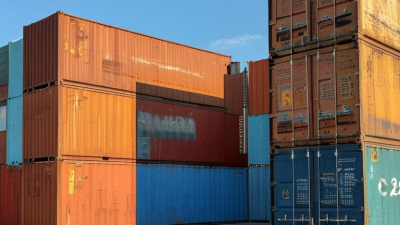
Used units are generally cheaper. Recent marketplace data from the 2025 Container Market Forecaster places many used 40ft containers between USD 1,500 and 3,000, before transport and local taxes. A wind-and-water-tight unit may look attractive at USD 2,000. However, floor repairs, door-gasket replacement, and repainting can add several hundred dollars. Sometimes, the “cheap” box is not cheap.
The UNCTAD Review of Maritime Transport 2024 reported continued growth in global container capacity, but equipment availability remains uneven by region. This matters in 2026. A buyer near a major port may find newer surplus units at competitive prices. An inland buyer can pay USD 800–1,500 more for trucking, rail, and handling. Used containers suit storage and basic projects when inspection is practical. New containers offer cleaner interiors, longer service expectations, and fewer unknown repair costs. Price comparisons should include delivery, certification, inspection, and tax. Published ranges are useful, but they are not firm offers. Local quotes can move quickly.
How to Compare 40ft Container Quotes Across Countries
2026 Top 40ft Shipping Container Prices Worldwide?
A useful comparison starts with the container itself, not the headline price. A standard 40ft unit is about 12.2 meters long and 2.35 meters wide. Confirm whether the quote covers a new, one-trip, or used container. Steel condition, floor damage, door seals, and previous cargo history can change its value significantly. Ask for recent photos, inspection records, and the container’s manufacturing year.
Compare quotes on the same delivery basis. One supplier may quote the container at its depot, while another includes inland transport, port handling, customs charges, and final delivery. Request a line-by-line breakdown with currency, taxes, insurance, loading fees, and expected delivery time. A low offer may become expensive after a 300-kilometer truck journey or a storage charge at the terminal. Check whether the quoted unit complies with current international safety and transport requirements.
Do not trust a neat spreadsheet too quickly. Exchange rates move, and local trucking capacity can change within days. I would also question unusually cheap units, even when the photos look clean. Small details matter: a bent rear frame, damp plywood, or a missing lock rod can create repair costs after arrival. Compare at least three written offers, keep specifications identical, and record every assumption. The cheapest quote is not always the most reliable purchase.