Global trade rarely moves in a straight line. It depends on steel boxes, port cranes, rail links, and careful equipment planning. The United Nations Conference on Trade and Development reported that maritime transport carries over 80% of global merchandise trade by volume. Its Review of Maritime Transport 2024 also noted continuing pressure from rerouting, congestion, and higher operating costs. These conditions make choosing suitable port shipping containers more important than simply comparing prices.
“Container availability is a local problem before it becomes a global problem,” says Lars Jensen, CEO of Vespucci Maritime. This observation deserves attention. A container may be plentiful in Shanghai, yet difficult to secure in Lagos or Rotterdam. Location changes the purchasing decision. So do cargo weight, loading access, corrosion exposure, and inland transport.
This guide examines ten common types of port shipping containers used by global buyers. It covers standard dry containers, high-cube units, refrigerated containers, open-top designs, flat racks, tank containers, and specialized options. Each type serves a different operational need. A 40-foot high-cube container may suit lightweight machinery, while a flat rack may handle oversized equipment with exposed lifting points.
Drewry’s Container Census reports continue to show a large, commercially active global container fleet. Yet fleet size alone does not guarantee availability. That is where buyers can misjudge the market. The cheapest unit may require costly repairs, cleaning, certification, or repositioning. Practical inspection still matters. Tiny details matter too, including door seals, floor condition, corner castings, and visible rust.
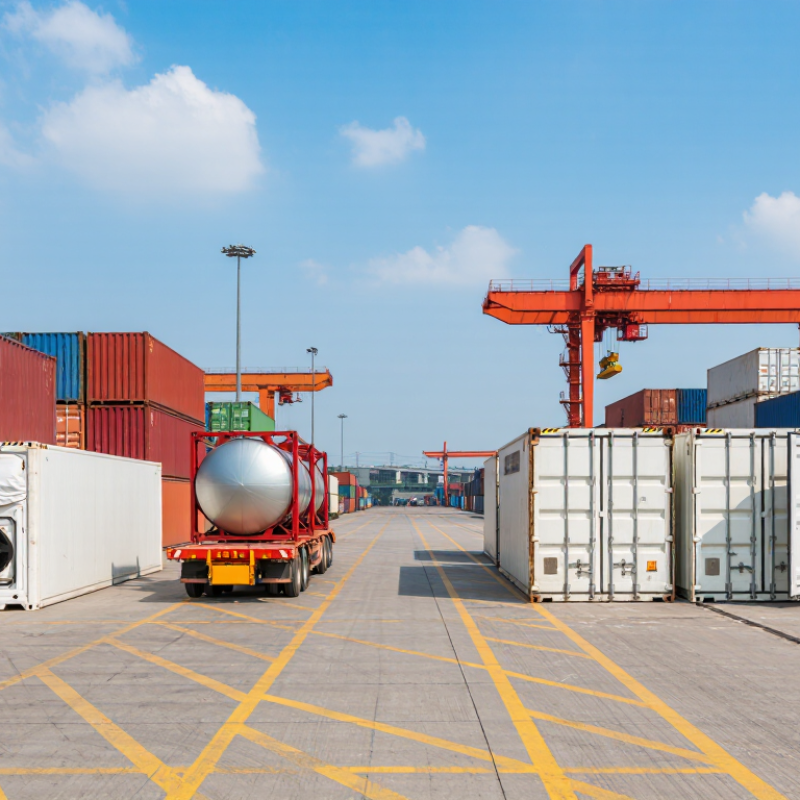
Port shipping containers are standardized cargo units that move goods between vessels, trucks, railways, and warehouses. They make global trade more predictable by protecting cargo and simplifying handling at busy terminals.
The ten common types include standard dry, high-cube, refrigerated, insulated, open-top, flat-rack, platform, tank, ventilated, and half-height containers.
Each design solves a different transport problem. Dry containers suit boxed products, machinery, and packaged materials. High-cube units provide extra internal height for lightweight cargo.
Refrigerated containers maintain controlled temperatures for food and other sensitive goods. Open-top models help load tall items with cranes, while flat-racks support oversized machinery.
Tank containers carry approved liquids under strict safety requirements. These choices affect loading time, freight cost, cargo security, and route availability. A wrong selection can create delays, extra handling, or damaged goods.
Tips: Check cargo dimensions, weight, temperature, loading method, and destination equipment before booking. Leave clearance around sensitive cargo. Ask for verified container specifications and recent inspection records.
In practice, the perfect option is not always obvious. Port conditions change, and initial estimates can be imperfect. Experienced logistics teams review the full journey, not only the ocean leg. A container that works at origin may be difficult to unload at the destination. Good planning leaves room for that reality.
The 10 main types of port shipping containers serve different cargo, handling, and climate needs.
Standard dry vans carry cartons, machinery, and palletized goods.
High-cube containers add internal height for bulky freight.
Refrigerated containers maintain controlled temperatures for food, medicines, and other sensitive products.
Open-top units suit tall cargo loaded by crane.
Flat racks handle heavy machinery and oversized components.
Platform containers support exceptionally wide or long loads.
Tank containers transport approved liquids, including food-grade and industrial materials.
Ventilated containers help protect cargo needing airflow.
Insulated containers reduce temperature changes without active cooling.
Side-door containers provide wider access for awkward pallets.
Choice affects port handling and inland delivery. UNCTAD’s Review of Maritime Transport 2024 reported global maritime trade growth of 2.4% in 2023, reaching about 12.3 billion tons. That scale increases pressure on equipment availability and inspection quality.
Buyers should check the CSC safety plate, corner posts, flooring, door seals, and repair records. For reefers, test the unit under load, not only when empty. A cold display proves little.
Dimensions also need confirmation because internal space varies by design and repair history. Some specifications look similar on paper, yet loading results can differ. A neat list can mislead.
Cargo weight distribution, port crane limits, route restrictions, and condensation risks still require professional review. ISO 668 provides the basic dimensional framework, while the CSC Convention supports safety verification for international transport.
Top 10 Types of Port Shipping Containers for Global Buyers?
Global buyers rarely need “a container”; they need a controlled fit for cargo and route. UNCTAD’s Review of Maritime Transport 2024 reports 2.4% seaborne trade growth in 2023. It also records container ship capacity near 28.5 million TEU in early 2024. That scale makes small specification errors expensive. Cargo, size, structure, and special features must work together. The ten practical types include dry van, high cube, refrigerated, open top, flat rack, platform, tank, ventilated, insulated, and side-opening containers.
Dry vans handle boxed, palletized, and general cargo. High cubes add valuable vertical space for lightweight goods. Reefers control temperature for approved food and pharmaceutical shipments. Open tops suit tall machinery loaded by crane. Flat racks support heavy or unusually shaped equipment. Platforms provide a strong base without side walls. Tank containers carry regulated liquids under certified specifications. Ventilated units help reduce moisture buildup in suitable cargo. Insulated containers slow temperature changes but do not replace active cooling. Side-opening units improve access when a standard door is inconvenient. The best choice is rarely the most expensive one.
Tips: Confirm internal dimensions, door clearance, floor loading, tare weight, and maximum payload. Ask for inspection records and recent interior photos. Measure twice. Port restrictions, handling equipment, and inland roads can change the decision. A high cube may offer space, yet its extra height can create clearance problems. UNCTAD’s data supports market scale, but it cannot replace a route-specific survey. Small errors matter.
| No. | Container Type | Typical Cargo | Common Sizes | Approx. Internal Dimensions | Typical Payload | Structure and Access | Key Special Features | Main Buying Considerations |
|---|---|---|---|---|---|---|---|---|
| 1 | General Purpose Dry Container | Cartons, pallets, furniture, machinery, packaged consumer goods, and most non-temperature-sensitive cargo. | 20 ft, 40 ft, and 40 ft high cube | 20 ft: about 5.90 × 2.35 × 2.39 m 40 ft: about 12.03 × 2.35 × 2.39 m |
Usually about 25–28 metric tons, depending on the container rating and transport regulations. | Weather-resistant steel box with rear double doors, corrugated side walls, and a wooden or composite floor. | Most widely used container type; suitable for standard palletized and boxed cargo. | Check internal volume, door opening, floor condition, CSC safety approval, and maximum gross weight. |
| 2 | High Cube Container | Lightweight, bulky cargo such as furniture, packaging materials, textiles, machinery parts, and retail goods. | 40 ft and 45 ft; 20 ft high cube versions are less common | 40 ft: about 12.03 × 2.35 × 2.70 m | Usually about 26–29 metric tons, subject to the container rating and local road limits. | Similar to a dry container but approximately 30 cm taller, with rear double doors. | Provides approximately 9 cubic meters more capacity than a standard 40 ft container. | Confirm height restrictions, cubic utilization, door clearance, and compatibility with inland transport equipment. |
| 3 | Refrigerated Container | Fresh produce, frozen foods, pharmaceuticals, chemicals, flowers, and other temperature-sensitive cargo. | 20 ft and 40 ft high cube | 20 ft: about 5.45 × 2.29 × 2.26 m 40 ft high cube: about 11.58 × 2.29 × 2.54 m |
Often about 25–29 metric tons, reduced by the refrigeration unit and insulation. | Insulated steel container with an integrated refrigeration unit, insulated floor, rear doors, and air-distribution channels. | Temperature control commonly covers approximately -30°C to +30°C, depending on equipment and operating conditions. | Review temperature range, power requirements, airflow, pre-trip inspection status, and monitoring records. |
| 4 | Open Top Container | Over-height machinery, scrap metal, timber, stone, industrial equipment, and cargo requiring top loading. | 20 ft and 40 ft | 20 ft: about 5.90 × 2.35 × 2.35 m 40 ft: about 12.03 × 2.35 × 2.35 m |
Commonly about 25–28 metric tons, depending on the unit specification. | Removable fabric roof or detachable steel cover; rear double doors; cargo is often loaded by crane or from above. | Allows cargo to extend above the standard height when permitted and properly secured. | Check maximum over-height allowance, lashing points, cover condition, loading method, and port handling requirements. |
| 5 | Flat Rack Container | Heavy machinery, vehicles, boats, pipes, steel products, construction equipment, and oversized project cargo. | 20 ft and 40 ft | 20 ft: about 5.65 × 2.20 m platform area 40 ft: about 11.65 × 2.20 m platform area |
Commonly about 25–40 metric tons, depending on the design and classification. | Strong floor with fixed or collapsible end walls; open sides and top; multiple lashing rings. | Designed for out-of-gauge cargo and heavy concentrated loads; some units can be nested when empty. | Verify floor load limits, lashing capacity, cargo dimensions, over-width rules, and project-cargo surcharges. |
| 6 | Platform Container | Extra-wide or unusually shaped machinery, transformers, heavy industrial modules, and project cargo. | 20 ft and 40 ft | 20 ft: about 6.06 × 2.44 m platform area 40 ft: about 12.19 × 2.44 m platform area |
Often about 25–40 metric tons, depending on the platform design and cargo distribution. | Reinforced flat base without side walls or end walls, fitted with heavy-duty lashing points. | Offers maximum loading flexibility for cargo that cannot fit inside a closed or end-wall container. | Confirm allowable weight distribution, securing plan, stacking limitations, and route clearance for oversize cargo. |
| 7 | Tank Container | Liquid food products, chemicals, oils, fuels, liquefied gases, and certain powders or hazardous substances. | Commonly 20 ft; other specialized lengths may be available | External footprint is approximately 6.06 × 2.44 m; tank capacity commonly ranges from about 14,000 to 26,000 liters. | Often about 20–30 metric tons, subject to tank rating, liquid density, and transport regulations. | Pressure vessel mounted inside a steel frame, with valves, manholes, insulation, and optional heating or cooling equipment. | Can transport bulk liquids more efficiently than drums; available in food-grade, chemical, and hazardous-goods configurations. | Check product compatibility, tank test date, pressure rating, cleanliness certificate, loading temperature, and hazardous-goods compliance. |
| 8 | Ventilated Container | Coffee, cocoa, agricultural products, timber, onions, garlic, and other cargo requiring controlled air exchange. | Commonly 20 ft; selected 40 ft versions may be available | Approximately 5.90 × 2.35 × 2.39 m for a typical 20 ft unit. | Usually about 25–28 metric tons, depending on the unit rating and cargo requirements. | Dry-container structure with fixed or adjustable ventilation openings designed to promote natural airflow. | Helps reduce condensation and heat buildup without providing active refrigeration. | Confirm ventilation rate, cargo moisture requirements, pest-control condition, and protection from rain or sea spray. |
| 9 | Insulated Container | Temperature-sensitive cargo that does not require continuous active refrigeration, including some food, beverages, and chemicals. | 20 ft and 40 ft | Dimensions vary by insulation thickness; a 20 ft unit typically provides about 5.5–5.9 m of internal length. | Often about 24–28 metric tons, depending on insulation and structural design. | Thermally insulated walls, roof, floor, and doors; may be used with passive cooling or an external temperature-control system. | Slows temperature change and protects cargo from external heat or cold, but does not independently cool cargo. | Assess insulation condition, thermal performance, condensation control, internal volume, and required temperature duration. |
| 10 | Side-Door Container | Pallets, retail displays, long items, event equipment, warehouse stock, and cargo requiring frequent side access. | 20 ft and 40 ft; high cube versions may also be available | Similar to the corresponding dry-container size, with side access reducing usable wall clearance. | Usually about 25–28 metric tons, depending on the container rating and additional door structure. | Standard rear doors plus one or more large side-opening doors along the long wall. | Improves loading flexibility and allows selective access to cargo without unloading the entire container. | Check side-door opening width, weather seals, locking hardware, floor strength, and handling-space requirements. |
Note: Dimensions and payload figures are typical industry ranges. Actual specifications vary by container design, tare weight, classification, cargo distribution, road limits, and applicable international transport regulations.
Global buyers choose shipping containers by cargo needs, route conditions, and handling requirements. A standard dry container suits packaged goods, cartons, and machinery. A high-cube model adds valuable interior height for lightweight cargo. Measure twice.
Refrigerated containers protect temperature-sensitive goods, but buyers must confirm the required temperature range and power supply. Open-top containers help load tall machinery with cranes. Flat-rack units support oversized equipment, while tank containers carry approved liquids under strict technical controls.
Ventilated containers may suit products needing airflow. Insulated containers reduce temperature changes, though they cannot replace active cooling. Platform containers handle unusual dimensions. Side-opening units can improve access at crowded loading points. Each type creates different costs, so the cheapest purchase price can be misleading.
During inspection, check the floor for soft spots, the doors for smooth movement, and the roof for light leaks. Examine corner castings, locking bars, seals, and visible corrosion. Ask for dimensions, tare weight, maximum payload, inspection records, and certification documents.
Confirm the container fits the vessel, inland equipment, and destination port rules. Temperature-controlled units need tested machinery and a clear power plan. I would also calculate loading space rather than trust a supplier’s estimate. A few centimeters can change the packing method. Some buyers focus too heavily on container appearance. That is a weakness. Operational condition matters more than fresh paint. Recheck the route, cargo weight, and handling limits before payment.
Key Standards, Safety Rules, and Purchase Considerations
Choosing among dry, refrigerated, open-top, flat-rack, tank, and other container types requires more than checking dimensions. Standard units commonly follow ISO 668 for external sizes and ISO 1161 for corner fittings. Confirm the container’s internal measurements, tare weight, maximum gross mass, and payload. A 40-foot unit may offer more volume, but a 20-foot unit can suit heavy cargo better.
Safety begins with a valid CSC safety approval plate. Check its inspection date, maximum stacking load, and permitted operating weight. Examine door bars, hinges, floorboards, roof panels, and corner castings. Look for deep corrosion, bent frames, water stains, or repaired welds. Refrigerated containers need extra checks on insulation, temperature control, power connections, and alarm records. Tank containers require suitable certification for the intended non-hazardous cargo and route.
Small details matter.
Ask for recent inspection photos and a complete condition report. Request loading diagrams when cargo is dense, oversized, or unevenly distributed. Verify twist-lock compatibility with the receiving vessel, chassis, and terminal equipment. Port rules, customs procedures, and electrical requirements may differ by country, so written confirmation is safer than assumptions. I have found that buyers often focus on price first and discover repair costs later. That approach deserves reconsideration. A low purchase price means little when flooring, seals, or certification require immediate replacement.
If for some reason you did not find the service or product you need, you can always leave a request for a free consultation and get an answer.