Choosing an insulated shipping container is a temperature-control decision, not merely a packaging choice. A few degrees can change product quality, shelf life, and customer trust. The 2023 UNCTAD Review of Maritime Transport reported continued growth in containerized trade, increasing pressure on reliable cargo protection. Grand View Research also valued the global cold chain market at more than USD 280 billion in 2023. These figures suggest strong demand, but they do not make every container suitable.
Cold-chain expert Toby Peters has stated, “Cold chains are not just about keeping things cold; they are about keeping products at the right temperature.” That distinction matters. An insulated shipping container should match the product’s required temperature range, transit duration, payload size, and handling environment. A thick wall may reduce heat transfer, but it can also reduce usable space. A reusable model may cost more initially, yet lower waste over repeated shipments. Sometimes, the cheaper option becomes expensive.
Look closely at real operating details. Imagine a container waiting beside a loading bay at 32°C, then moving through a refrigerated truck. Ask how long it protects the contents after power loss. Check insulation material, thermal testing, door seals, coolant compatibility, sensor placement, and condensation control. The WHO’s temperature-mapping guidance also supports documented monitoring rather than guesswork. No checklist is perfect. Route delays, frequent door opening, and incorrect coolant placement can still undermine performance. The best insulated shipping container is therefore the one proven for your lane, product, and handling habits—not simply the one with the highest insulation rating.
Choosing an insulated shipping container begins with the product, not the container. Record the required temperature range, allowable excursions, payload mass, and planned transit time. A chilled food shipment may tolerate a brief rise; a temperature-sensitive medicine may not. WHO Technical Report Series No. 961, Annex 9, calls for documented storage conditions, temperature mapping, and monitoring. That guidance makes the specification measurable. Do not rely on the phrase “cold chain.” It is too vague.
Map the complete route, including warehouse delays, customs holds, tarmac exposure, and weekend delivery. UNCTAD’s Review of Maritime Transport 2023 states that over 80% of world merchandise trade by volume moves by sea. A sea leg can therefore dominate thermal risk, even when final delivery is local. Specify the worst credible duration, not the average. Add summer and winter scenarios. Small details matter, such as a container left beside a sunny loading dock. Insulation alone cannot correct poor loading practice.
Select wall thickness and coolant capacity only after thermal testing. Ask for validated performance data, not optimistic laboratory claims. Test the packed load in a controlled chamber, then review logger readings at several positions. The FAO’s State of Food and Agriculture 2019 estimated that 14% of food is lost between harvest and wholesale. Better packaging cannot prevent every loss, but it can reduce avoidable temperature damage. A reusable container may seem efficient, yet cleaning, return logistics, and inspection create real costs. This part is often underestimated. Recheck the design after one shipment. Real routes expose assumptions that spreadsheets miss.
Choosing an insulated shipping container starts with the cargo, not the container label. Fresh produce, pharmaceuticals, and chocolate each react differently to heat and humidity. The FAO’s The State of Food and Agriculture 2019 estimates that 14% of food is lost between harvest and wholesale. Better thermal protection can reduce one part of that loss.
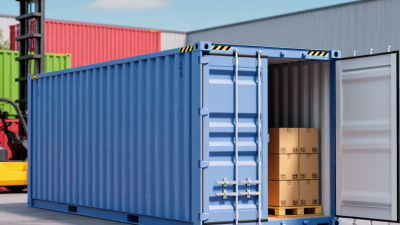
For short domestic routes, an insulated dry container or liner may be practical. It is lighter and usually cheaper than an active refrigerated container. For long routes or strict temperature ranges, choose a reefer container with powered cooling. Standard 20-foot and 40-foot formats follow ISO 668 dimensions, but insulation panels reduce usable internal space. Measure the product, pallets, airflow gaps, and loading equipment before ordering. A 40-foot unit is not automatically better.
Material choice matters. Expanded polystyrene is light and economical, but it can compress or crack under rough handling. Polyurethane and polyisocyanurate panels generally provide stronger thermal resistance with less thickness. Vacuum insulated panels save space, yet they can lose performance after punctures. The UNEP Food Waste Index Report 2024 recorded about 1.05 billion tonnes of food waste in 2022, so packaging decisions deserve careful attention. I would not assume thicker insulation always means safer shipping. Door seals, temperature logging, sunlight exposure, and empty air volume can matter more. Test the loaded container under realistic route conditions. Small oversights happen. Temperature mapping is worth the extra effort.
How to Choose an Insulated Shipping Container?
Evaluate Temperature Control and Protection Features
Temperature control begins with the cargo, not the container. Identify the required temperature range, exposure time, and acceptable fluctuation. Fresh produce may tolerate gradual changes, while sensitive materials can react within minutes. Measure the container’s insulation thickness and inspect its thermal seams. Thin panels often create cold spots near doors, corners, and floor joints. These areas deserve close attention.
Check the door gasket by closing it over a narrow strip of paper. If the paper slides out easily, the seal may leak air. Use a calibrated data logger inside the container during a trial run. Record temperatures at the roof, center, and floor. One sensor is rarely enough. Airflow also matters. Blocked vents can produce warm pockets, even when the displayed temperature looks correct. No container is perfect.
Protection features should match the handling environment. Reinforced corners help during lifting, while a raised floor reduces contact with wet ground. Look for corrosion-resistant hardware, impact guards, and drainage paths. Moisture can damage packaging before temperature becomes a visible problem. Secure internal loads so they cannot strike the walls during transport. In practice, buyers often focus on insulation and overlook door strength. That is an expensive assumption. Review inspection records, test results, and maintenance history before accepting the unit. Recheck everything after loading, because cargo placement can change airflow.
| Container Type | Typical Insulation | Typical Passive Hold Time* | Common Temperature Range | Temperature Control Rating | Impact and Compression Protection | Moisture Protection | Reusability | Best-Suited Applications | Main Limitations |
|---|---|---|---|---|---|---|---|---|---|
| Expanded Polystyrene (EPS) Box | 25–50 mm molded foam insulation | 24–48 hours | Usually 2–8°C or ambient-protected shipping, depending on coolant configuration | ★★★☆☆ | Moderate; lightweight but brittle and vulnerable to crushing | Good when used with a sealed liner | Limited; commonly designed for one-way use | Short-distance food, pharmaceutical, and laboratory shipments | Lower durability, larger package volume, and limited protection against rough handling |
| Expanded Polypropylene (EPP) Box | 30–60 mm molded closed-cell foam insulation | 24–72 hours | Approximately 2–8°C, 15–25°C, or frozen conditions with suitable phase-change materials | ★★★★☆ | Good; resilient foam absorbs repeated impacts | Very good; closed-cell structure resists water absorption | Good; suitable for repeated return cycles | Reusable distribution programs and shipments requiring durable packaging | Higher purchase cost and lower insulation efficiency than advanced panel systems |
| Molded Polyurethane (PUR/PU) Container | 40–80 mm rigid polyurethane foam | 48–96 hours | Commonly 2–8°C, 15–25°C, or below 0°C with validated coolant packs | ★★★★☆ | Good to very good; rigid structure supports stacking | Very good when combined with a watertight inner liner | Moderate to good, depending on shell and closure durability | Longer domestic routes and temperature-sensitive products | Heavier and bulkier than high-performance vacuum-insulated systems |
| Vacuum-Insulated Panel (VIP) Container | Thin vacuum-insulated panels, often combined with foam layers | 48–120 hours | 2–8°C, 15–25°C, or frozen ranges with a validated thermal design | ★★★★★ | Moderate; panels provide excellent insulation but can be damaged by puncture or sharp bending | Very good with sealed panel covers and an internal liner | Good if panels remain undamaged and the outer shell is reusable | High-value pharmaceuticals and extended-duration temperature-controlled shipping | Higher cost; reduced performance if panels are punctured, compressed, or improperly installed |
| Insulated Corrugated Box with Reflective Liner | Reflective film combined with bubble, foam, or fiber insulation | 12–36 hours | Primarily short-duration ambient protection; temperature range depends strongly on coolant packs | ★★☆☆☆ | Moderate; outer carton provides basic protection | Moderate; requires a leak-resistant inner bag or liner | Usually limited to one-way use | Short routes, meal kits, produce, and products with moderate temperature sensitivity | Short hold time and limited protection during hot or cold weather extremes |
| Active Refrigerated Container | Rigid foam or VIP insulation with powered cooling and monitoring | Several days to weeks, subject to battery and system capacity | Precisely controlled set points, commonly 2–8°C, 15–25°C, or frozen ranges | ★★★★★ | Very good; rigid enclosure typically provides strong structural protection | Very good when the enclosure is sealed and condensation is managed | Very good; designed for repeated commercial use | Long-distance, high-value, or highly temperature-sensitive shipments | High acquisition cost, greater weight, battery requirements, and operational complexity |
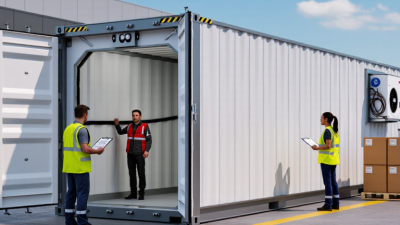
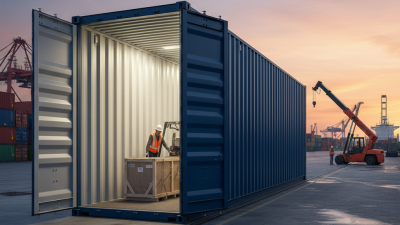
An insulated shipping container must survive movement, weather, loading, and repeated opening. Inspect the steel panels, corner castings, hinges, doors, and floor carefully. Look for weld cracks, rust bubbles, distorted frames, and damaged seals. Small gaps can allow rain, dust, or heat to enter. Check the insulation thickness and confirm its thermal performance with documented test results.
Compliance should match the cargo, route, and handling method. Request records for structural inspections, load ratings, fire performance, and applicable transport requirements. Confirm dimensions before booking trucks, cranes, or storage spaces. A container may meet one standard but fail another operational requirement. Local authorities and transport providers should verify the final documentation. Do not rely on a seller’s verbal assurance alone.
Tips: Measure the doorway and forklift access first. Check that lifting points are clearly marked and undamaged. Use a written loading plan, especially for uneven or fragile cargo. Leave space for airflow around temperature-sensitive packages. Inspect the door gasket after closing it; a paper-strip test can reveal weak compression. I once focused too much on insulation and overlooked handling clearance. That shortcut caused delays. Recheck the container after loading, because vibration can expose problems missed during the initial inspection.
Choosing an insulated shipping container starts with the shipment, not the cheapest quote. Measure the product, packaging, and required temperature range before comparing prices. A container for chilled food may need different insulation from one carrying temperature-sensitive medicine. Check wall thickness, internal volume, closure quality, and whether the design supports passive cooling materials.
Budget pressure is real. However, the World Health Organization reports that up to 50% of vaccines may be wasted, partly because of temperature-control failures. That figure makes weak insulation difficult to defend. For short deliveries, a practical foam container with enough coolant may work. For longer routes, vacuum-insulated panels or validated thermal packaging can reduce exposure risk. Add a temperature data logger. It is a small cost compared with losing the shipment.
Think beyond the purchase price. Include coolant replacement, dimensional weight, storage space, and disposal costs. IATA’s Temperature Control Regulations emphasize following the product’s labeled temperature requirements during transport. Do not rely on “cold enough” as a method. Test the packed container under realistic conditions, including delays and direct sunlight. A mistake I have seen is choosing maximum capacity instead of proper fit. Empty space can weaken thermal stability. Still, testing every route is not always affordable. Use your shipment history, then improve the weakest assumption.
If for some reason you did not find the service or product you need, you can always leave a request for a free consultation and get an answer.