en es

What Is the Best Large Shipping Container in 2026?

Choosing the best large shipping container in 2026 is not simply a matter of selecting the biggest box. The right choice depends on cargo volume, loading equipment, site access, climate, transport routes, and budget. A 40-foot high-cube container may suit standard palletized goods, while a 45-foot high-cube unit can provide valuable extra floor space. However, larger capacity can create handling and placement challenges.

Marc Levinson, shipping historian and author of The Box, explains the industry’s core advantage: “The container made shipping cheaper, faster, and more reliable.” That principle still matters. Yet reliability begins with practical details, including a readable CSC plate, sound corner posts, functioning doors, a dry floor, and limited corrosion around the roof seams. Small defects can become expensive problems.

No container is perfect. A new unit offers cleaner surfaces and longer service life, but a well-inspected used container may deliver stronger value. The best large shipping container should match the cargo, not merely impress with its dimensions. A buyer should also examine wind exposure, condensation risks, forklift access, delivery clearance, and regional availability before ordering. These factors are easy to overlook.

This guide compares common 40-foot and 45-foot options for 2026. It considers internal dimensions, payload limits, construction quality, security features, maintenance needs, and total ownership cost. The analysis uses practical selection criteria rather than marketing claims. Still, container specifications can vary by manufacturer and depot. Verify the actual unit before purchase. That final check may feel inconvenient. It often prevents the most costly mistake.
What Is the Best Large Shipping Container in 2026?

Types of Large Shipping Containers Available in 2026

Large shipping containers in 2026 are not one universal solution. The 40-foot standard container remains practical for general cargo, with roughly 67 cubic meters of internal volume. A 40-foot high-cube unit adds about 30 centimeters of height, creating more usable space for cartons, furniture, and lightweight machinery. This small difference matters when cargo reaches the roof before reaching the weight limit.

For taller or bulky shipments, 45-foot high-cube containers offer approximately 86 cubic meters of capacity. They can reduce the number of units needed, but availability and route acceptance require careful checking. Most ocean networks still prioritize 20-foot and 40-foot equipment. UNCTAD’s Review of Maritime Transport 2024 recorded about 858 million TEUs handled by container ports in 2023, showing the scale of this standardized system. Bigger does not always mean better.

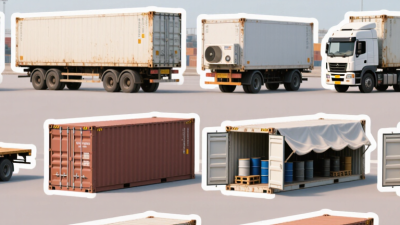
Special cargo needs different designs. Refrigerated containers maintain controlled temperatures for food, pharmaceuticals, and other temperature-sensitive goods. Open-top containers suit tall machinery because cargo can load through the roof. Flat racks handle oversized industrial equipment, while tank containers carry approved liquids under strict technical controls. ISO container standards support consistent dimensions, but local road limits may reduce usable capacity. I have seen loading plans fail because door clearance was ignored. Measure the doorway, floor strength, route, and lifting points before choosing volume. The cheapest option can become the least efficient one.

What Is the Best Large Shipping Container in 2026?

Container selection depends on the required cargo volume. The 45-foot high-cube container offers the greatest internal capacity, while the 40-foot high-cube container provides a widely used balance between space and transport compatibility.

Approximate internal volume based on standard ISO container dimensions. Actual dimensions may vary slightly by manufacturer and container specification.

Key Specifications for Comparing Large Shipping Containers

What Is the Best Large Shipping Container in 2026?

The best large shipping container depends on capacity, access, and the site’s limits. A 40-foot high-cube unit usually offers about 76 cubic meters of space. Its extra height helps with tall equipment and stacked cartons. A 45-foot model provides more volume, but it needs a longer turning area and stronger handling support. Always compare tare weight, maximum gross weight, and permitted payload. These figures can vary by manufacturing batch and inspection status.

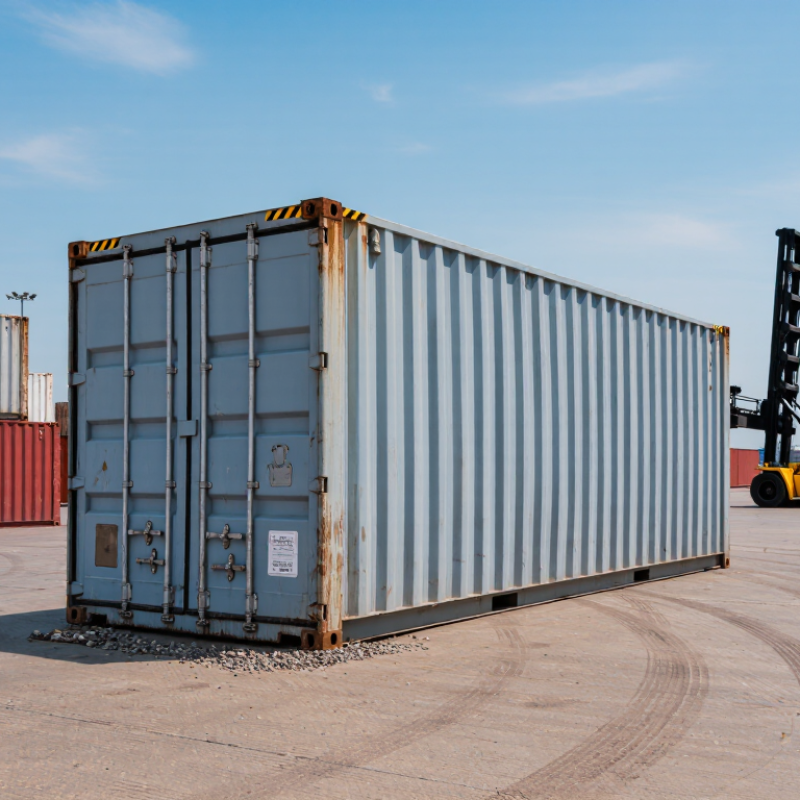
Key specifications deserve careful measurement. Check internal length, width, height, and the rear door opening with a tape measure. A container may have impressive external dimensions but lose usable space through wall lining or repairs. Inspect the floor for soft areas, oil stains, and uneven boards. Examine roof seams, corner posts, locking bars, and welds for corrosion. The identification plate, inspection records, and structural condition should agree. I have found that photographs can hide small roof leaks. A physical inspection remains more reliable. Still, even a careful inspection can miss problems during heavy rain.

Tips: Measure the delivery route before ordering. Include gate width, overhead cables, turning space, and ground bearing capacity. Ask for clear photos of the roof, floor, doors, and corner castings. Do not judge quality by age alone; maintenance history often matters more. Leave a small allowance for measurement errors.

Best Materials, Features, and Security Options

Choosing the best large shipping container in 2026 starts with its material. Weathering steel remains a practical choice because it resists rain, wind, and surface corrosion. However, “rust-resistant” does not mean maintenance-free. Inspect the roof, corner posts, and floor regularly. A damaged roof can turn a secure storage space into a damp metal box.

Size matters, but usable space matters more. Double-door access makes loading wide equipment easier. Side openings can improve daily access, although they may require stronger locking hardware. Look for a marine-grade plywood floor, sealed door gaskets, and ventilation vents placed on opposite walls.

These details reduce condensation and protect stored contents. In my experience, poor airflow causes more trouble than limited interior height.

Tips: Choose a container with a lockbox that shields the padlock from cutting tools. Add an internal security bar if valuable equipment stays inside. Use a ground anchor where local rules permit it. Check door alignment before delivery, because uneven placement can make heavy doors difficult to close. Avoid adding insulation without planning for moisture control. I once underestimated condensation during a cold season, and the stored items suffered. Security should include lighting, a clear site view, and routine inspections, not just a stronger lock.

Choosing the Right Container for Cargo, Storage, or Conversion

A large shipping container should match the job, not simply offer the most space. A 40-foot high-cube unit provides extra interior height for tall equipment, shelving, or insulation. Check the internal length, width, and door opening before planning the load. A few missing centimeters can disrupt an entire layout. Measure twice.

For cargo, inspect the floor, roof, corner posts, and locking bars carefully. Look for soft flooring, deep rust, light entering through seams, or doors that fail to close evenly. Confirm the container’s verified weight rating and inspect its compliance plate. Heavy items should sit low and near the center. Uneven loading can make handling unsafe. Use clean, dry packaging and add ventilation when condensation may damage goods.

Storage needs different priorities. A weather-resistant shell, secure doors, and good airflow matter more than a perfect appearance. For conversion projects, choose a structurally sound unit with limited corrosion. Cutting windows, doors, or service openings can weaken the frame. A qualified structural professional should review major changes. Local planning, transport, and fire requirements may also apply. These details are easy to overlook.

Newer units often look attractive, but an older container may work well after careful inspection. However, paint can hide corrosion. That is where judgment becomes difficult. A small repair today may become an expensive weakness later. Ask for inspection records, accurate measurements, and clear photos before purchase.

What Is the Best Large Shipping Container in 2026? — Choosing the Right Container for Cargo, Storage, or Conversion

Container Type External Dimensions
(L × W × H)
Approx. Internal Dimensions
(L × W × H)
Approx. Internal Volume Typical Maximum Payload Door Opening
(W × H)
Best Use Main Advantages Important Limitations
20-Foot General Purpose 6.06 × 2.44 × 2.59 m
20 × 8 × 8 ft 6 in
5.90 × 2.35 × 2.39 m
19 ft 4 in × 7 ft 8 in × 7 ft 10 in
Approximately 33 m³
1,170 cu ft
About 28,000 kg
61,700 lb
2.34 × 2.28 m
7 ft 8 in × 7 ft 6 in
Cargo Storage Efficient for dense or heavy cargo; easier to place on smaller sites; generally simpler to handle and transport. Less floor area and headroom than larger or high-cube units; limited suitability for spacious conversions.
40-Foot General Purpose 12.19 × 2.44 × 2.59 m
40 × 8 × 8 ft 6 in
12.03 × 2.35 × 2.39 m
39 ft 5 in × 7 ft 8 in × 7 ft 10 in
Approximately 67 m³
2,366 cu ft
About 28,500 kg
62,800 lb
2.34 × 2.28 m
7 ft 8 in × 7 ft 6 in
Cargo Storage Nearly twice the capacity of a 20-foot unit; suitable for palletized goods, household storage, and larger inventories. Payload is not usually double that of a 20-foot unit; requires more turning, lifting, and installation space.
40-Foot High Cube 12.19 × 2.44 × 2.90 m
40 × 8 × 9 ft 6 in
12.03 × 2.35 × 2.70 m
39 ft 5 in × 7 ft 8 in × 8 ft 10 in
Approximately 76 m³
2,690 cu ft
About 28,500 kg
62,800 lb
2.34 × 2.58 m
7 ft 8 in × 8 ft 6 in
Cargo Storage Conversion More usable volume and approximately 30 cm of additional height; excellent for tall cargo, shelving, workshops, and living-space conversions. Higher center of gravity; may face height restrictions and needs adequate clearance for delivery and placement.
45-Foot High Cube 13.72 × 2.44 × 2.90 m
45 × 8 × 9 ft 6 in
13.56 × 2.35 × 2.70 m
44 ft 6 in × 7 ft 8 in × 8 ft 10 in
Approximately 86 m³
3,035 cu ft
About 29,000 kg
64,000 lb
Usually about 2.34 × 2.58 m
7 ft 8 in × 8 ft 6 in
Cargo Conversion Largest common dry-container format; maximizes volume for lightweight cargo and provides a long footprint for commercial or modular projects. Not accepted on every route or terminal; higher purchase, transport, and site-preparation requirements.
40-Foot Open-Top 12.19 × 2.44 × 2.59 m
40 × 8 × 8 ft 6 in
Approximately 12.03 × 2.35 × 2.35 m
39 ft 5 in × 7 ft 8 in × 7 ft 8 in
Approximately 66 m³
2,330 cu ft
About 26,000–30,000 kg
57,300–66,100 lb
Door opening is similar to a standard 40-foot unit; roof is removable or replaced by a flexible cover. Cargo Top loading is practical for machinery, stone, timber, scrap, and other cargo that cannot be loaded through standard doors. Less protection from weather; flexible covers reduce security and may require special handling or route approval.
40-Foot Platform or Flat Rack Approximately 12.19 × 2.44 m
40 × 8 ft platform length and width
Open platform; no enclosed internal volume Not applicable Often about 30,000–40,000 kg
66,100–88,200 lb, depending on configuration
Open ends or collapsible end frames; dimensions vary by design. Cargo Designed for oversized, wide, tall, or exceptionally heavy machinery and project cargo. Offers little weather protection or theft security; loading, lashing, and route planning require specialist procedures.
40-Foot Refrigerated Container 12.19 × 2.44 × 2.90 m
40 × 8 × 9 ft 6 in
Approximately 11.6 × 2.29 × 2.54 m
38 ft 1 in × 7 ft 6 in × 8 ft 4 in
Approximately 67 m³
2,365 cu ft
About 27,000–29,000 kg
59,500–64,000 lb
Approximately 2.29 × 2.55 m
7 ft 6 in × 8 ft 4 in
Cargo Storage Maintains controlled temperatures for perishable goods, pharmaceuticals, and temperature-sensitive materials. Reduced internal width and volume because of insulation and refrigeration equipment; requires continuous electrical power and maintenance.

Dimensions and payload figures are typical ISO-based values. Exact specifications vary by manufacturer, construction, tare weight, CSC certification, door design, and local transport regulations. The maximum payload must always be confirmed from the container’s rating plate before loading.

Costs, Regulations, and Buying Considerations in 2026

For most 2026 projects, the 40-foot high-cube container offers the strongest balance of volume, cost, and transport access. Its internal height is about 2.69 metres, giving extra room for tall cartons, machinery, or racking. A 45-foot container provides more capacity, but some roads, rail networks, and terminals restrict it. Bigger is not always better.

Purchase prices remain regional. Container xChange market reports show wide differences between depot locations, equipment age, and cargo imbalances. A used 40-foot high-cube unit may cost roughly 2,000 to 4,500 US dollars in many markets. Newer units can exceed 6,000 dollars before delivery, taxes, and modifications. Drewry’s container freight assessments also show that shipping prices can change sharply within weeks. Request a delivered quote, not only a depot price. That mistake is easy to make.

Regulatory checks deserve equal attention. ISO 668 defines standard container dimensions, while the International Maritime Organization’s CSC rules require valid safety approval for international transport. Ask for the CSC plate, inspection history, door seals, floor condition, and roof leaks. Confirm local rules for placement, lifting, fire access, and road permits. UNCTAD reports that maritime shipping carries over 80% of global merchandise trade by volume, so compliance affects more than ocean transport. I would still inspect the container personally, or hire an independent surveyor. Photos often hide rust beneath the floor.

Get a quote
Open chat
1
Hi! How can we help you?
Chat with Pelican Containers