
en es

Why Is an Air Humidity Sensor Important?

Why Is an Air Humidity Sensor Important?

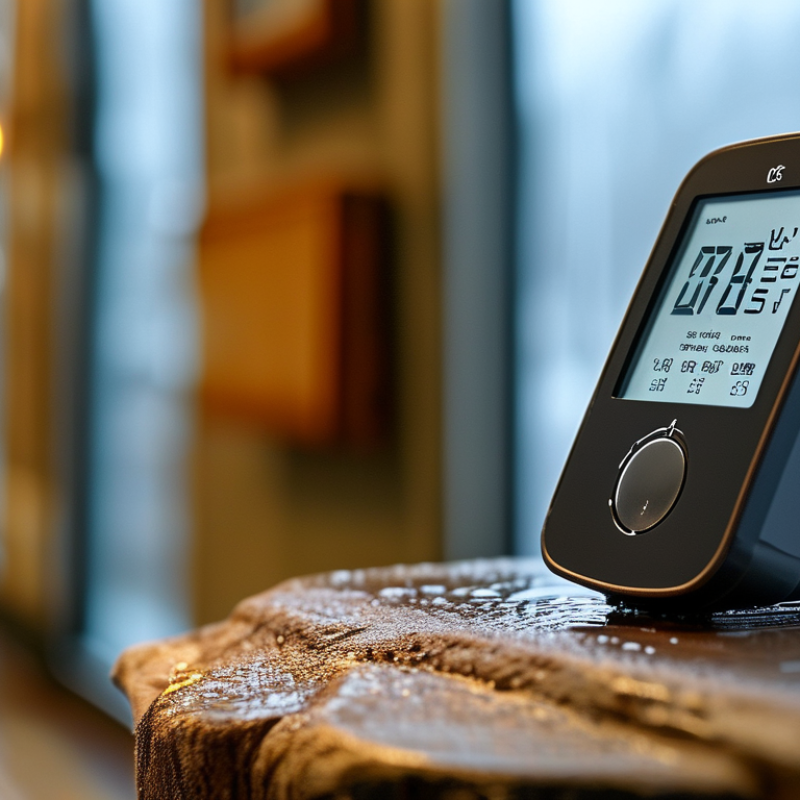
Air humidity affects comfort, materials, machines, and health. Yet humidity is often treated as a minor reading on a wall display. That assumption can become expensive. A small change in moisture may warp wooden flooring, damage stored electronics, or encourage mold inside a poorly ventilated room.

Dr. Mark G. Lawrence, a recognized humidity researcher, explains, “Relative humidity compares the water vapor in air with the maximum amount that air can hold at its temperature.” This principle shows why an Air Humidity Sensor must measure humidity alongside temperature. Warm air and cool air can hold different amounts of moisture. The same reading may therefore describe different real conditions.

In practice, sensor placement matters. A device near a window may detect cold glass instead of room conditions. A sensor beside an air outlet may report unusually dry air. Dust, condensation, aging, and weak calibration can also distort results. The display may look precise. The measurement may still be wrong.

An Air Humidity Sensor provides useful evidence for controlling indoor environments, protecting products, and improving energy decisions. It supports ventilation systems, greenhouses, warehouses, laboratories, and museums. Good monitoring does not mean trusting every number. It means checking the sensor, its location, and its surrounding temperature.

This point deserves reflection. A sensor cannot fix excessive moisture by itself. It only reveals a condition that people must understand and manage. Reliable data begins with suitable equipment and careful interpretation.
Why Is an Air Humidity Sensor Important?

What Is an Air Humidity Sensor?

Why Is an Air Humidity Sensor Important?

An air humidity sensor measures the amount of water vapor in indoor air. Most models report relative humidity, or RH, as a percentage. A capacitive sensor changes its electrical response as moisture levels shift. Its circuit then converts that change into a readable RH value.

This device does more than display a number. It helps identify conditions that may support mold, dry skin, static electricity, or material damage. The U.S. Environmental Protection Agency recommends keeping indoor relative humidity between 30% and 50%. ASHRAE Standard 55 also uses humidity as an important factor in thermal comfort. A sensor can reveal a damp corner before condensation appears on a window. It can also expose overly dry air near a heater. Small errors remain possible. Dust, poor placement, and calibration can distort readings.

Tips: Place the sensor away from windows, vents, kitchens, and direct sunlight. Compare its reading with a second calibrated instrument when accuracy matters. Check trends, not only single readings. A value of 45% may look safe, but a hidden wall can still remain wet. The sensor reports air conditions, not every moisture problem. EPA indoor air quality guidance supports regular ventilation and moisture control. Use the reading as evidence, then inspect the room carefully.

How Does an Air Humidity Sensor Measure Moisture?

Air humidity sensors measure moisture by detecting how water vapor changes an electrical property. Most modern sensors use a capacitive element. It contains two conductive layers separated by a moisture-sensitive material. As humidity rises, the material absorbs water and its capacitance changes. The sensor converts this change into a relative humidity reading.

Some devices use resistive sensing instead. Water vapor alters the material’s electrical resistance, and the circuit interprets that shift. A temperature sensor usually works beside the humidity element. This matters because warm air can hold more moisture than cool air. Without temperature compensation, the displayed value may look accurate but mislead you. Relative humidity is calculated against the maximum moisture air can hold at a specific temperature.

Placement affects measurement quality. A sensor near a window may detect cold glass, while one beside a heater may report unusually dry air. Dust, condensation, and poor airflow can also distort results. In practical checks, allowing the sensor to stabilize for several minutes gives more reliable readings. Calibration still matters. A precise-looking number can be wrong. Even a small offset may affect storage, ventilation, or mold prevention decisions. I have found that simple cross-checks with a second calibrated instrument often reveal unexpected differences. Sensors are useful, but they are not infallible.

Why Is an Air Humidity Sensor Important?

How Does an Air Humidity Sensor Measure Moisture?

This chart shows how relative humidity changes when the air contains the same water-vapor pressure of 1.17 kPa at different temperatures. Relative humidity is the ratio of actual water vapor to the maximum vapor the air can hold at a given temperature. As temperature rises, the same amount of moisture produces a lower relative-humidity reading.

Most electronic humidity sensors detect changes in a moisture-sensitive material. In capacitive sensors, absorbed water changes the material’s dielectric properties, which changes electrical capacitance. The sensor electronics convert that change into a relative-humidity percentage, helping monitor comfort, condensation risk, indoor air quality, and equipment protection.

Why Is Humidity Monitoring Important for Health and Comfort?

Why Is an Air Humidity Sensor Important?

Humidity monitoring matters because indoor air affects breathing, sleep, skin comfort, and thermal perception. The U.S. Environmental Protection Agency recommends keeping indoor relative humidity between 30% and 50%. This range helps limit condensation and reduce conditions that support mold growth. A simple sensor can reveal a damp bedroom after a shower or overly dry air during winter heating.

The health concern is practical. The World Health Organization’s Guidelines for Indoor Air Quality: Dampness and Mould links persistent indoor dampness with increased respiratory symptoms, allergies, and asthma-related problems. Humid air can also feel warmer, encouraging excessive cooling. Dry air may irritate the nose, throat, eyes, and skin. Small changes are noticeable.

Numbers need context.

A 68% reading does not automatically mean danger, while 35% does not guarantee comfort. Temperature, ventilation, building materials, and personal sensitivity also matter. This is where humidity sensors help, but they are not medical devices. Their accuracy may drift, especially when dust gathers around the sensing element. Regular placement checks and occasional comparison with a calibrated instrument improve reliability. Monitoring becomes more useful when readings are recorded over time, rather than judged from one moment. The ASHRAE Standard 55 framework also treats humidity as part of thermal comfort, not an isolated indoor-air measurement.

Where Are Air Humidity Sensors Commonly Used?

Why Is an Air Humidity Sensor Important?

Where Are Air Humidity Sensors Commonly Used?

Air humidity sensors are common in homes, offices, schools, and hospitals. They help ventilation systems maintain healthier indoor conditions. The U.S. Environmental Protection Agency recommends indoor relative humidity between 30% and 50%. This range can reduce excessive dryness, condensation, and mould-friendly conditions. A sensor near a classroom window can detect moisture changes after rain. A controller may then adjust ventilation before surfaces become visibly damp.

Commercial buildings use these sensors to balance comfort and energy demand. The International Energy Agency reported in its 2023 buildings report that buildings consume about 30% of global final energy. Humidity control supports efficient heating, cooling, and fresh-air management. Data centres also monitor humidity around server aisles. Small changes can affect static electricity, equipment reliability, and cooling performance. The sensor is not magic. Poor placement can produce misleading readings.

Humidity sensors also serve museums, archives, laboratories, warehouses, greenhouses, and food-processing areas. Paper records may become brittle in dry air. Metal objects can corrode when moisture remains high. In greenhouses, readings guide misting and ventilation near plant leaves. Pharmaceutical storage needs documented conditions, not guesswork. Calibration matters. A sensor can drift, respond slowly, or measure a warmer corner than the rest of the room. Regular verification against a trusted reference remains necessary. This detail is easy to overlook.

How Can You Choose and Maintain a Reliable Humidity Sensor?

Choosing a reliable humidity sensor starts with the measurement environment, not the product box. A bathroom, archive room, and greenhouse need different housings and response times. ASHRAE Standard 55 treats relative humidity as a thermal-comfort factor. The U.S. EPA commonly recommends about 30–50% indoor relative humidity. These figures are useful, not universal. In my field checks, placement caused more errors than expected. A sensor beside a window can lie.

Look for a stated accuracy range, stable performance across temperatures, and an ISO/IEC 17025 calibration certificate. Capacitive sensors usually suit continuous indoor monitoring, while harsh areas need protected enclosures and corrosion-resistant materials. Check the data sheet for response time, operating range, long-term drift, and logging intervals. ISO 7726 provides measurement principles for thermal environments. Its guidance reinforces a basic point: sensor position affects the result. Install the probe away from vents, direct sunlight, steam, and cold walls. A short cable can still create a bad reading.

Maintenance is less glamorous, but essential. Compare the sensor with a traceable reference at scheduled intervals. Clean the housing gently; never soak the sensing element unless the instructions permit it. Record unusual readings, room temperature, cleaning dates, and calibration results. I once trusted a fresh battery and ignored a blocked air path. The reading looked reasonable. It was wrong. No sensor stays perfect. High humidity, dust, and rapid temperature changes accelerate drift, so review the interval after real operating experience rather than copying a generic schedule.

Why Is an Air Humidity Sensor Important? - How Can You Choose and Maintain a Reliable Humidity Sensor?

Evaluation Dimension Reference Data or Recommended Range Why It Matters Selection Guidance Maintenance Practice
Comfortable indoor relative humidity Approximately 30%–60% RH This range generally supports occupant comfort and helps limit excessive dryness and moisture-related problems. Choose a sensor that covers at least 0%–100% RH and provides stable readings across the intended indoor range. Check the sensor against a trusted reference periodically, especially after relocation or unusual environmental exposure.
Low-humidity warning level Below approximately 30% RH Very dry air can contribute to skin and eye discomfort, static electricity, and drying of some materials. For dry environments, prioritize low-end accuracy, low drift, and a clearly configurable alarm threshold. Keep the sensing element free from dust and avoid placing it directly in the airflow from heaters or air conditioners.
High-humidity warning level Above approximately 60% RH Persistently high humidity can increase the likelihood of condensation, mold growth, and corrosion in suitable conditions. Select a sensor with condensation tolerance or a protective design when it will be used in kitchens, bathrooms, basements, or process areas. Inspect for condensation, water droplets, and contamination; allow the device to dry naturally before taking critical measurements.
Measurement accuracy Common products: approximately ±2% to ±5% RH Accuracy determines whether the reading is suitable for comfort monitoring, storage protection, HVAC control, or process management. Match the specified accuracy to the application. A tighter specification is usually needed near a control limit or compliance threshold. Compare readings with a calibrated reference under controlled conditions and record any deviation.
Operating temperature Often around 0°C–50°C for indoor devices; wider ranges for industrial designs Humidity accuracy can change with temperature, and operation outside the rated range may produce unreliable results or damage. Confirm the complete temperature and humidity operating envelope, not only the nominal RH range. Install the sensor where temperature changes are representative of the monitored space and avoid direct sunlight or heat sources.
Response time Typically specified as a time to reach a stated percentage of the final reading A faster response is useful for ventilation control and changing process conditions, while stable averaging may be preferable for room monitoring. Choose a response time suited to the application; do not select solely on the fastest advertised value. Keep the sensing path unobstructed and allow the sensor to equilibrate after moving it between environments.
Sensor technology Capacitive sensors are widely used; resistive and thermal-conductivity types serve specialized applications Different technologies vary in accuracy, stability, power consumption, chemical resistance, and suitability for high humidity. Use capacitive sensing for many general-purpose applications; consider specialized technology only when the environment requires it. Follow the manufacturer’s cleaning and exposure limits because solvents, oils, dust, and corrosive vapors can affect the sensing element.
Calibration interval Application-dependent; commonly verified every 6–12 months Humidity sensors can drift over time because of aging, contamination, temperature cycling, or exposure to condensation. Set the interval according to required measurement uncertainty, operating conditions, and quality procedures rather than using one interval for every application. Use traceable calibration equipment or a qualified laboratory when documented accuracy is required; retain calibration records.
Installation location Representative airflow; away from vents, windows, radiators, doors, and direct sunlight Local heat sources, drafts, and surface moisture can create readings that do not represent the average room condition. Position the sensor at the relevant measurement height and protect it from impact, splashing, and unnecessary airflow. Review the installation whenever room layout, HVAC operation, or monitored equipment changes.
Data output and monitoring Display, analog signal, digital interface, or wireless connection Reliable data transmission supports trend analysis, alarms, HVAC optimization, and preventive action. Choose an output compatible with the controller or monitoring system and verify the required sampling interval and power supply. Check timestamps, missing data, battery condition, connectivity, and alarm operation as part of routine inspections.
Condensation and recovery Condensation may temporarily slow response or affect accuracy, depending on sensor construction Moisture on the sensing element can cause unstable readings and may shorten service life if exposure is repeated. For damp locations, select a device designed for high-humidity service and install suitable protection without blocking air exchange. Remove the sensor from the source of condensation, let it recover in clean ambient air, and recalibrate or replace it if readings remain abnormal.
Decision priority Application fit > accuracy > stability > environmental protection > cost A low-cost sensor is not reliable if its range, accuracy, or durability does not match the measurement task. Evaluate the datasheet, test evidence, calibration support, and total ownership cost before purchase. Maintain a simple inspection, verification, cleaning, and replacement schedule based on actual operating risk.
Get a quote
Open chat
1
Hi! How can we help you?
Chat with Pelican Containers