
en es

Why Choose Carbon Steel Casting for Your Manufacturing Needs?

Carbon Steel Casting is increasingly favored in manufacturing due to its strength and versatility. This material offers excellent mechanical properties, making it suitable for various applications. Manufacturers are drawn to Carbon Steel Casting because it combines durability and cost-effectiveness. It's critical to consider the specific requirements of your project.

The casting process allows for intricate designs, which broadens its use in industries like automotive and construction. Precision is vital, and Carbon Steel Casting provides that advantage. However, not all applications benefit equally from this choice. Understanding the trade-offs is essential; sometimes, a different material may serve better in specific contexts.

While Carbon Steel Casting has many benefits, it also poses challenges. Issues like oxidation and brittleness must not be overlooked. Ultimately, the decision to utilize Carbon Steel Casting should reflect a careful analysis of both its strengths and weaknesses. Balancing these factors can lead to smarter manufacturing choices.
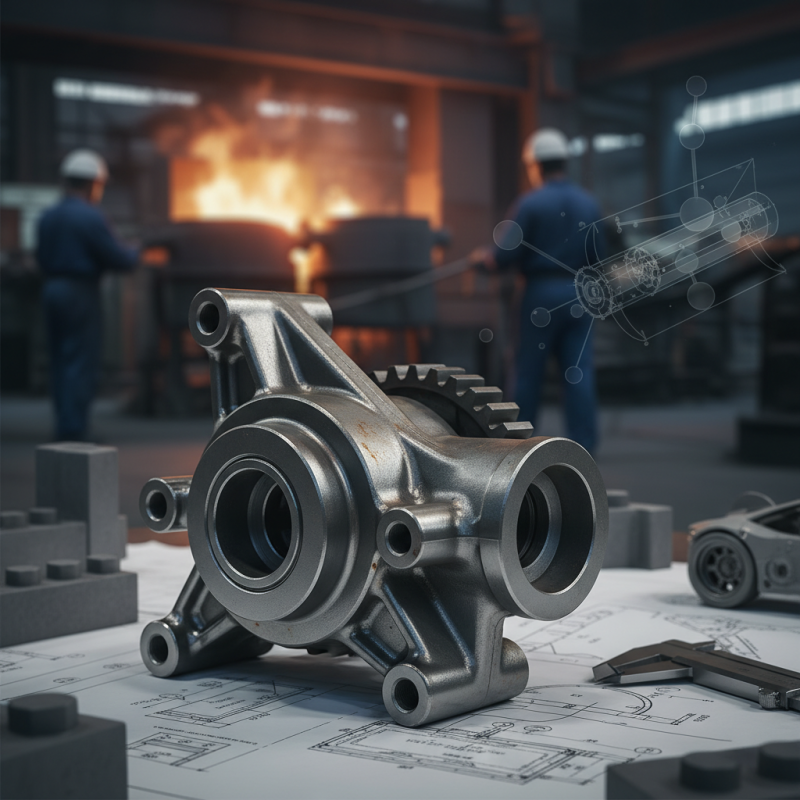
Why Choose Carbon Steel Casting for Your Manufacturing Needs?

Understanding Carbon Steel Casting and Its Properties

Carbon steel casting is a process that combines strength and versatility. This material is known for its durability, which makes it ideal for various industries, including automotive and machinery. According to a 2021 report by the International Journal of Metalcasting, carbon steel castings exhibit tensile strengths reaching up to 600 MPa. Such properties allow designs to handle extreme conditions efficiently.

The unique composition of carbon steel provides several advantages. Its carbon content, typically ranging from 0.1% to 2.0%, greatly enhances hardness and wear resistance. This means products can withstand abrasive environments. However, it is worth noting that high carbon content can lead to brittleness, which requires careful consideration during manufacturing. Quality control becomes vital in these scenarios to ensure optimal performance.

Moreover, carbon steel is highly adaptable regarding machining and welding. This adaptability often results in lower production costs compared to other materials. However, excessive machining can lead to material loss. Thus, manufacturers need to find a balance between efficiency and material conservation. By understanding these properties, stakeholders can make more informed decisions, ultimately improving production processes.

Advantages of Carbon Steel Casting in Manufacturing Applications

Carbon steel casting is a preferred choice for many manufacturing applications. It offers a unique balance of strength and flexibility, making it ideal for diverse industries. The durability of carbon steel is unmatched, providing strong resistance to wear and tear. This makes it a suitable material for heavy-duty machinery parts and structural components.

One significant advantage of carbon steel casting is its cost-effectiveness. Compared to other materials, carbon steel often comes at a lower price point while still delivering high performance. This means manufacturers can reduce production costs without compromising on quality. Another benefit is its excellent machinability. Carbon steel can be easily shaped and finished, allowing for precise specifications in manufacturing.

Tip: Always consider the specific requirements of your project. Carbon steel is not always the answer, especially if corrosion resistance is critical. Evaluate your needs thoroughly.

Another point to reflect on is the environmental impact. While carbon steel casting is efficient, the production process can generate emissions. Manufacturers should explore ways to minimize their carbon footprint. Investing in cleaner technologies may be necessary for sustainable practices.

Tip: Regularly assess your manufacturing processes. Are there opportunities to improve efficiency or reduce waste? Continual improvement is key in today’s competitive landscape.

Comparative Analysis: Carbon Steel vs. Other Metal Casting Materials

When considering materials for manufacturing, carbon steel casting stands out due to its unique blend of strength and versatility. In a comparative analysis, it reveals clear advantages over other metal casting materials. According to industry reports, carbon steel exhibits tensile strengths upward of 400 MPa, which significantly surpasses aluminum or plastic alternatives. This strength allows for more durable products, reducing the need for frequent replacements.

However, carbon steel does come with challenges. For instance, its susceptibility to corrosion may require additional coatings or treatments. While stainless steel offers superior corrosion resistance, it often comes at a higher cost. Interestingly, lighter metals, like aluminum, can be easier to work with but tend to lack the robustness required for heavy-duty applications. Understanding these trade-offs is essential for manufacturers to make informed choices.

Moreover, manufacturing preferences can also affect the performance of carbon steel in various environments. Differences in alloy compositions affect the final product's characteristics. Reports indicate that adjustments in carbon content can lead to significant changes in hardness and strength. Manufacturers must weigh these factors carefully, as the wrong choice can lead to unexpected failures in critical applications.

Key Industries Benefiting from Carbon Steel Casting Technology

Carbon steel casting plays a crucial role in several key industries. The automotive sector benefits significantly from this technology. It enhances performance and durability. Car components made from carbon steel are tough. They withstand high stress and strain levels. Manufacturing gears and crankshafts specifically benefits from carbon steel’s unique properties.

The construction industry also relies on carbon steel casting. Structural elements are strong and reliable. They provide the necessary support for buildings and bridges. Cost-effectiveness is another advantage. Carbon steel casings are often less expensive to produce than alternatives.

However, some challenges need addressing. Carbon steel can corrode without proper treatment. This factor demands careful consideration in design and maintenance. Additionally, not all casting processes yield the same quality results. Evaluating the methods and materials used is crucial. While carbon steel offers many benefits, it is important to assess its limitations as well.

Best Practices for Selecting Carbon Steel Casting Suppliers

When selecting carbon steel casting suppliers, several factors play a crucial role in making the right choice. First, experience is vital. Suppliers with a long history in the industry often demonstrate better knowledge and expertise. They are familiar with the nuances of carbon steel casting, which enhances their ability to deliver quality products. Look for suppliers who have a proven track record in similar projects.

Quality assurance practices are essential. Evaluate their quality control processes. A reliable supplier should provide detailed documentation regarding their casting processes. You should also request samples to assess the final output. This direct evaluation gives insights into their standards and capabilities. Short lead times can be appealing, but do not sacrifice quality for speed.

Communicating needs clearly can be a challenge. Ensure that the supplier understands your specific requirements. Misunderstandings can lead to costly errors. Ask for references from previous clients. Contact these references to gain a clearer view of the supplier’s reliability. Balancing cost and quality is also essential. Cheaper options might seem attractive initially but can lead to bigger issues later. Be mindful of this trade-off.

Carbon Steel Casting Usage in Various Industries

Get a quote
Open chat
1
Hi! How can we help you?
Chat with Pelican Containers