
en es

What Are Snapback Trucker Hats?

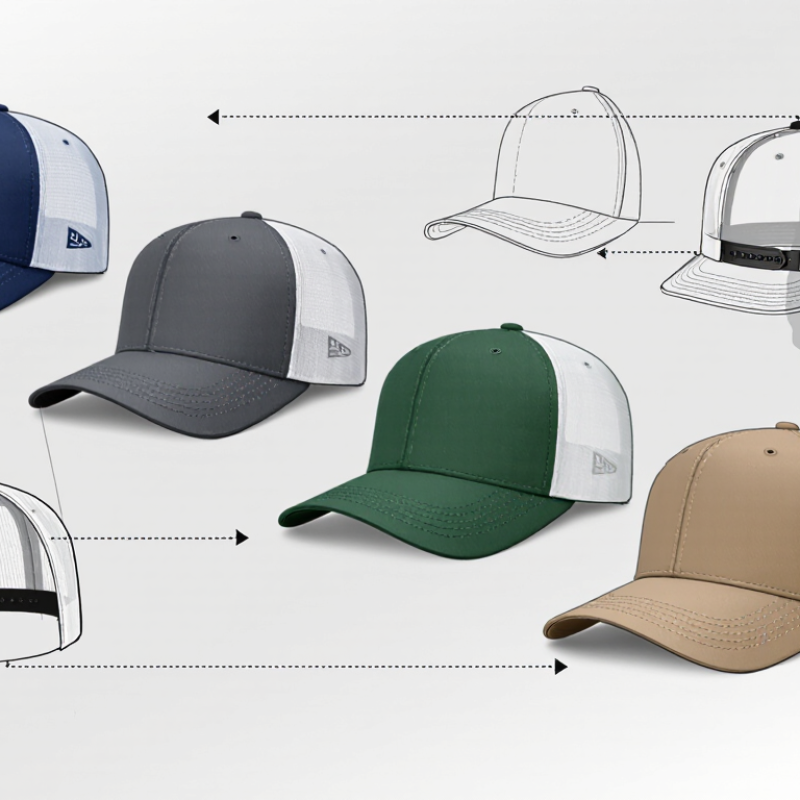
What Are Snapback Trucker Hats? This guide introduces the design, history, fit, and everyday appeal of this recognizable headwear style. Snapback Trucker Hats combine a curved or flat brim, a structured front panel, breathable mesh backing, and an adjustable plastic closure. The result feels practical, casual, and distinctly American.

Milliner and headwear educator Christine A. Moore has said, “A hat should fit the personality of the person wearing it.” That idea matters here. A good trucker hat should not merely display a logo. It should sit comfortably above the eyebrows, leave enough room around the crown, and allow air to move through the mesh. From hands-on fitting experience, small details change everything. A stiff front can feel sharp. A loose snap closure can shift during movement.

The term “snapback” describes the adjustable row of plastic tabs. “Trucker” refers mainly to the ventilated mesh construction and its working-wear roots. These hats once appeared in agricultural and transport settings. Later, musicians, outdoor brands, and streetwear designers made them widely visible. Their story is not perfectly simple, though. Some versions borrow vintage details without preserving the original function.

This introduction will examine materials, crown shapes, brim styles, sizing, styling choices, and quality indicators. It will also question common assumptions. More branding does not mean better construction. A popular silhouette can still fit poorly. Readers will gain a clearer way to judge Snapback Trucker Hats by comfort, durability, purpose, and personal expression.
What Are Snapback Trucker Hats?

Definition and Core Features of Snapback Trucker Hats

What Are Snapback Trucker Hats?

A snapback trucker hat is a casual cap with a structured front, a curved or flat brim, and a ventilated mesh back. Its defining feature is the adjustable plastic snap closure. Small fastening points create a flexible fit for different head sizes. The front panel usually holds its shape, while the mesh panels allow air to circulate. This design suits warm weather, outdoor work, travel, and everyday wear.

Core features are easy to identify by touch. A firm crown gives the cap a clean profile and helps prevent flattening. Mesh feels lighter than cotton and may dry faster after light sweating. The brim shades the eyes, although protection depends on its width, angle, and fabric density. A quality sweatband also matters. It reduces moisture against the forehead and improves comfort during longer wear. When examining a hat, I check the snap alignment, stitching, and panel tension. Loose seams can become irritating quickly.

Fit is not automatically perfect. A wider head may feel pressure near the closure, even with several settings available. Some mesh can also feel scratchy after repeated washing. That detail is easy to miss. Gentle cleaning and air drying may help preserve the crown and snaps. The right choice depends on head shape, climate, brim preference, and how actively the hat will be worn.

History and Evolution of the Snapback Trucker Hat

What Are Snapback Trucker Hats?

History and Evolution of the Snapback Trucker Hat

Snapback trucker hats began as practical workwear for drivers, farmers, and outdoor workers. Their mesh panels improved airflow during long hours in warm conditions. The adjustable snap closure also made sizing simple. Early versions often carried company logos, but their usefulness mattered more than fashion.

Over time, the hat moved from work settings into everyday streetwear. Foam fronts became common, while cotton, canvas, and recycled fabrics introduced different textures. The classic curved or flat brim changed with personal style. In my experience, the best designs balance ventilation, structure, and comfort. Some modern versions look refined, though a few feel overly stiff and lose the original relaxed character. That tension is worth considering.

Tips: Check the snap closure before buying. It should adjust smoothly without pulling the fabric. Hold the hat near a window and inspect the mesh for even stitching. A breathable lining can improve comfort on humid days. Choose a brim shape that matches your face and daily use. Keep the hat away from high heat, because foam and plastic may warp. Small details matter.

What Are Snapback Trucker Hats? — History and Evolution

Snapback trucker hats combine a breathable mesh back, a structured front panel, and an adjustable plastic snap closure. The chart presents approximate milestones in their development from practical workwear to modern casual fashion.

Early trucker caps became common as promotional and workwear headwear in the mid-20th century. Foam-front construction expanded their visual appeal during the 1960s and 1970s, while the adjustable snap closure helped create the recognizable snapback format. From the 1980s onward, the style increasingly moved into youth culture, streetwear, and contemporary fashion.

Key Materials and Construction Details

What Are Snapback Trucker Hats?

Snapback trucker hats combine a structured front with a breathable mesh back. Their adjustable plastic closure creates a flexible fit for different head sizes. In hands-on inspection, the front panel reveals much about the hat’s quality. Cotton canvas feels softer and develops character over time. Polyester often provides stronger shape retention and easier care. Some panels blend both fibers, balancing comfort with durability.

The mesh back should feel firm but not brittle. Wider mesh openings improve airflow, while tighter patterns offer more support. The joining seam deserves close attention. Even stitching and reinforced edges help prevent stretching around the crown. A curved brim usually contains layered fabric or a thin internal insert. Press it gently. It should bend slightly without folding unevenly.

The front panel needs enough structure to hold its shape. However, excessive stiffness can feel uncomfortable during long wear. That detail is easy to overlook. The snapback closure should lock securely without sharp edges or loose teeth.

I would not judge a hat by appearance alone. A neat surface may hide weak stitching underneath. Small construction flaws happen, even in well-made pieces. Checking the seam, mesh, brim, and closure gives a more reliable assessment than relying on decoration.

How Snapback Trucker Hats Differ From Other Cap Styles

What Are Snapback Trucker Hats?

A snapback trucker hat combines two recognizable features: an adjustable plastic closure and a breathable mesh back. Its front panel is usually structured, giving the hat a taller, more defined shape. The rear mesh allows air to move around the head, which can feel useful during warm commutes, outdoor work, or casual travel. The brim may be curved or flat, so not every snapback trucker hat looks identical.

The closure creates a noticeable difference from fitted caps. A fitted cap uses a fixed size, while a snapback can be adjusted through several plastic snaps. This makes sharing easier, although the fit may feel less precise. Compared with strapback hats, snapbacks often look more graphic and firm because their rear closure is visible. They also differ from soft dad caps, which usually have a lower crown and relaxed front panels.

A trucker style also differs from a standard baseball cap. The mesh improves ventilation, but it can feel rough against sensitive skin. The structured front holds its shape better, yet it may look too tall on some head shapes. That sounds ideal, but it is not always true. In practice, the best choice depends on crown height, brim curve, panel construction, and head measurement. I would check the closure before buying. Small gaps between snaps can change the fit more than expected.

What Are Snapback Trucker Hats? - How Snapback Trucker Hats Differ From Other Cap Styles

Comparison Dimension Snapback Trucker Hat Traditional Baseball Cap Fitted Cap Flex-Fit Cap
Basic Definition A cap combining a structured front, a breathable mesh back, and an adjustable plastic snap closure. A general cap style with a curved or flat visor and a fabric crown; the back may use a strap, buckle, hook-and-loop adjustment, or another closure. A cap made in predetermined head-size ranges without an adjustable rear closure. A cap using elastic material in the sweatband or side panels to provide stretch around the head.
Rear Construction Usually made with open polyester or nylon mesh panels for airflow. Usually made from solid fabric, although some versions may include mesh or ventilation openings. Typically uses solid fabric panels because the cap is shaped for a fixed size. Usually uses solid fabric with an elastic section or stretchable sweatband.
Closure Type Rows of plastic snaps allow the wearer to change the circumference. May use a fabric strap, metal buckle, hook-and-loop tab, elastic band, or snap closure. No rear adjustment; the cap is selected by its labeled size. No traditional snap or strap is required because the elastic provides the adjustment.
Fit Flexibility High; the closure accommodates a range of head circumferences, but the visible snap positions limit fine adjustment. Varies by closure; strap and buckle systems often offer more continuous adjustment than snap tabs. Low after purchase; accurate sizing is important for comfort. Moderate to high; stretch improves comfort, but the fit depends on the elastic range and cap size.
Front Panel Structure Often structured with foam, buckram, or another stiffening layer to create a taller front profile. May be structured or unstructured, depending on the construction and intended silhouette. Commonly structured, although unstructured fitted versions also exist. Available in both structured and unstructured designs.
Typical Visor Shape Often flat or moderately curved, though the shape can vary by design. Frequently curved, but flat and pre-curved options are also common. May be flat, curved, or semi-curved. May be flat, curved, or semi-curved, depending on the model.
Breathability Generally high at the rear because the mesh permits air circulation. Ranges from low to moderate for solid-fabric designs; ventilation depends on the fabric and construction. Usually moderate or lower than mesh-backed styles when made entirely from solid fabric. Usually moderate; stretch fabric may improve comfort but does not necessarily provide open ventilation.
Common Materials A combination of cotton, polyester, foam, nylon mesh, and plastic components is common. Common fabrics include cotton, cotton blends, polyester, wool blends, and performance textiles. Often made from cotton, wool blends, polyester, or other woven fabrics. Commonly combines woven fabric with elastane-containing or elastic components.
Sizing Method Usually sold as adjustable or one-size-fits-most; the actual range varies by construction. May be adjustable, one-size-fits-most, or available in measured sizes. Sold by measured head circumference or a corresponding size scale. Usually sold in size ranges, such as small/medium or medium/large, with stretch within each range.
Best-Suited Conditions Warm weather, outdoor work, travel, driving, casual wear, and activities where rear ventilation is useful. Everyday wear, sports, outdoor activities, and casual outfits, depending on the material and fit. Wearers who prioritize a consistent silhouette and a precise, low-adjustment fit. Wearers who want a secure fit with some flexibility and fewer visible adjustment components.
Main Advantages Adjustable fit, strong airflow, distinctive two-material construction, and a structured front suitable for graphics or embroidery. Broad design variety, familiar styling, and multiple closure and fabric choices. Clean appearance, stable fit, and a consistent shape when correctly sized. Comfortable stretch, a smooth appearance, and a secure fit during movement.

Note: Construction details vary by manufacturer and model. The comparisons above describe common characteristics rather than requirements that apply to every cap.

Common Uses, Styling Options, and Care Practices

What Are Snapback Trucker Hats?

Snapback trucker hats combine a structured front, breathable mesh panels, and an adjustable plastic closure. Their open-back design helps air circulate during warm commutes, outdoor work, and casual weekend activities. They can reduce glare, but their sun protection varies by fabric, fit, and brim size. A hat should not replace sunscreen or other protective clothing.

Common Uses, Styling Options, and Care Practices

These hats suit jeans, cotton shirts, shorts, and lightweight jackets. A neutral color creates an easier everyday look, while a bright front panel becomes the outfit’s main detail. Wear the brim flat for a sharper appearance or curve it slightly for a relaxed feel. The fit should feel secure without pressing your temples. In practice, many people wear them too tightly, then blame the hat for discomfort. That is worth reconsidering.

Tips: Clean sweat marks quickly with mild soap, cool water, and a soft cloth. Avoid soaking the mesh or scrubbing printed areas aggressively. Shape the crown by hand, then air-dry the hat away from direct heat. Never use a dryer, because heat can warp the brim or closure. Store it on a shelf instead of crushing it under clothing. Check the snapback after washing; small cracks can make the fit unreliable.

Get a quote
Open chat
1
Hi! How can we help you?
Chat with Pelican Containers