In recent years, the versatility of a 20ft shipping container has gained immense popularity. These robust and portable structures can serve a multitude of purposes in various projects. Whether you're considering a cost-effective storage solution or an innovative dwelling, this compact container offers endless possibilities.
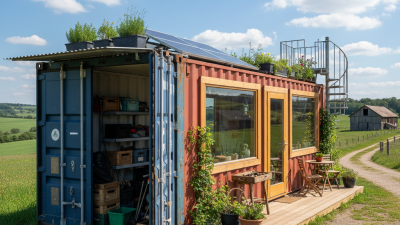
The adaptability of a 20ft shipping container makes it appealing for both personal and commercial use. People have transformed these containers into pop-up shops, cozy homes, or even art studios. It's impressive to see how creative ideas bring life to such a simple concept. However, the journey isn't without challenges. Building codes can be complex, and the layout demands thoughtful planning. How do you ensure the container fits your vision while adhering to regulations?
Finding the right location is another puzzle. It’s crucial to assess site accessibility and environmental factors. Often, those who embrace the container lifestyle discover hidden issues. Perhaps there wasn't enough natural light, or the space feels cramped. Thoughtful reflection on these hurdles can lead to better solutions. As you explore the potential of a 20ft shipping container, remember that adaptability can lead to an enriching experience, even amidst challenges.
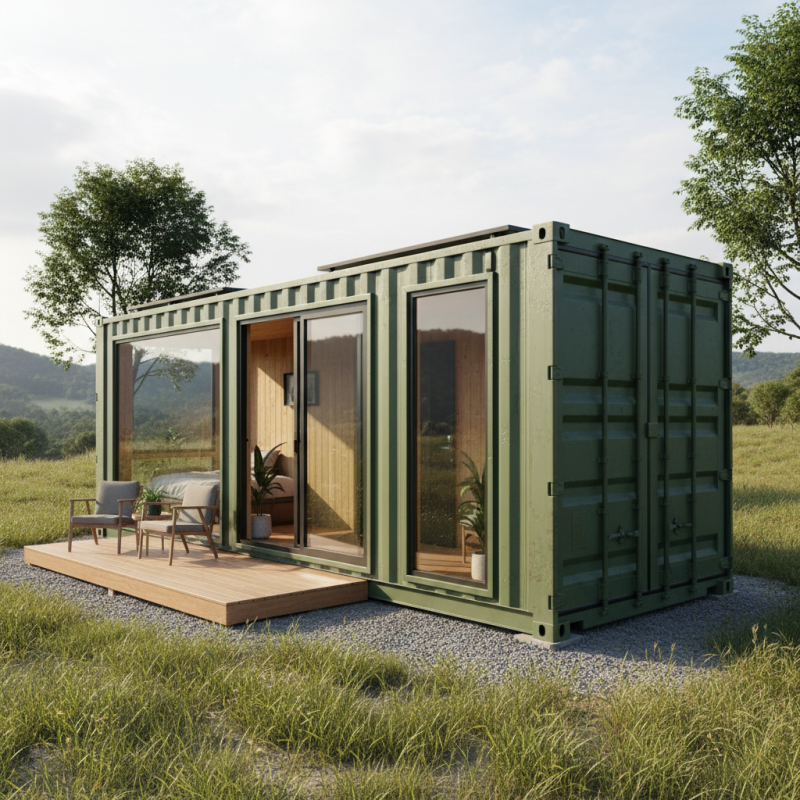
When considering a 20ft shipping container for your next project, it's important to understand its basic features. These containers are typically 8 feet wide and 8.5 feet high, providing ample space for storage or creative projects. Their sturdy steel structure makes them durable and weather-resistant, protecting contents from the elements.
However, the design of a shipping container can limit creativity. The interior may require modifications for electrical or plumbing needs. Ventilation is another key aspect to think about. Poor airflow can cause condensation and rust over time. Planning these details upfront can save you from costly issues later.
Additionally, sourcing a container that is in good condition is crucial. Check for any signs of wear or damage. Not all containers are created equal; some may have previous cargo residues that need cleaning. Reflecting on these factors will ensure a smooth experience with your shipping container project.
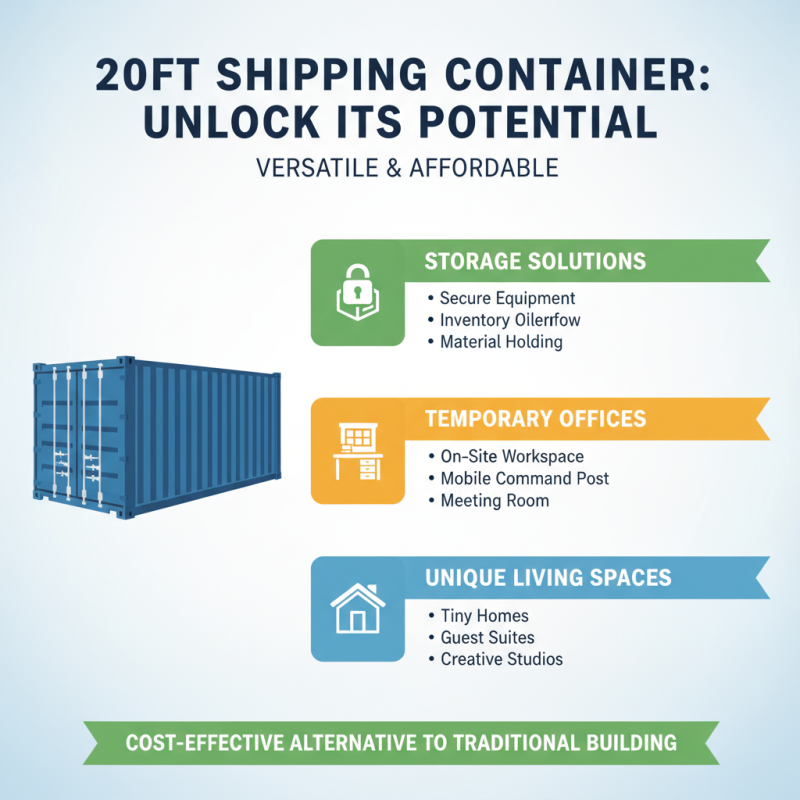
When considering a 20ft shipping container for your next project, think about its many uses. These containers can serve as storage solutions, temporary offices, or even unique living spaces. They are versatile and relatively affordable compared to traditional construction methods.
Tips: Explore zoning laws before starting. You may need permits. Also, check for container condition. A rusty exterior might hide structural issues.
Many people convert shipping containers into cafes or art studios. The small size encourages creativity. However, realize that insulation is essential. Cold winters can make the space uncomfortable. Scattered projects often leave unfulfilled dreams. Reflect on what will truly work for you.
Tips: Plan your layout carefully. A well-thought-out design maximizes space. Consider your target audience as well. Items that appeal to them can boost your project’s success.
When considering a 20ft shipping container for your next project, the layout and design are critical. Research indicates that well-planned container spaces can improve functionality by up to 25%. Start by measuring the container's dimensions. It's vital to think about how you will use the space.
Tips: Create a simple sketch of your ideal layout. This helps visualize your needs. Remember to account for windows and doors. These elements can dramatically change the light and airflow in your container.
Next, consider the internal configuration. Open floor plans are popular for maximizing space. However, adding walls can create separate areas for different functions. Data shows that multifaceted containers boost productivity by 15% in work environments. You might need to rethink how much you divide the space. Creating a too-compartmentalized design can feel cramped. It's important to balance openness with privacy.
Tips: Use modular furniture to adapt your design over time. Keep in mind that flexibility is key. Make sure your design allows for future changes. You may not get everything right the first time. Embrace this process as part of your innovative journey.
When modifying a 20ft shipping container, having the right tools and materials is crucial. Essential tools include a cutting torch or plasma cutter for metalwork. A portable generator can provide power where needed. Additionally, you’ll need a drill to install hinges or fasteners. According to a recent industry report, over 70% of container mods require electrical work. So, a basic toolkit for wiring is essential.
Materials also play a significant role. Insulation is vital for climate control inside the container. Choose materials like foam board or spray insulation. You’ll likely need plywood or metal sheeting for interior walls. Reports show that insulation can reduce heating or cooling costs by up to 30%. Fasteners, seals, and paints are equally important to ensure durability.
Some challenges arise during modifications. Not every tool suits every task. A wrong choice can set back a project. Additionally, ventilation often gets overlooked. Without proper airflow, the container can become stuffy. This can lead to mold issues. Planning is essential. Thinking ahead can save time and resources. Ensure safety gear is included too. An overlooked detail in safety can lead to accidents.
| Tool/Material | Description | Estimated Cost ($) | Quantity Required |
|---|---|---|---|
| Angle Grinder | For cutting metal/container walls. | 100 | 1 |
| Welding Machine | To join metal pieces together. | 300 | 1 |
| Paint Sprayer | For applying protective coatings. | 150 | 1 |
| Insulation Material | For temperature control within the container. | 200 | 100 sqft |
| Windows | To provide natural light and ventilation. | 100 | 2 |
| Doors | For access into the container. | 150 | 1 |
| Electrical Wiring | For lighting and electrical installations. | 50 | 200 ft |
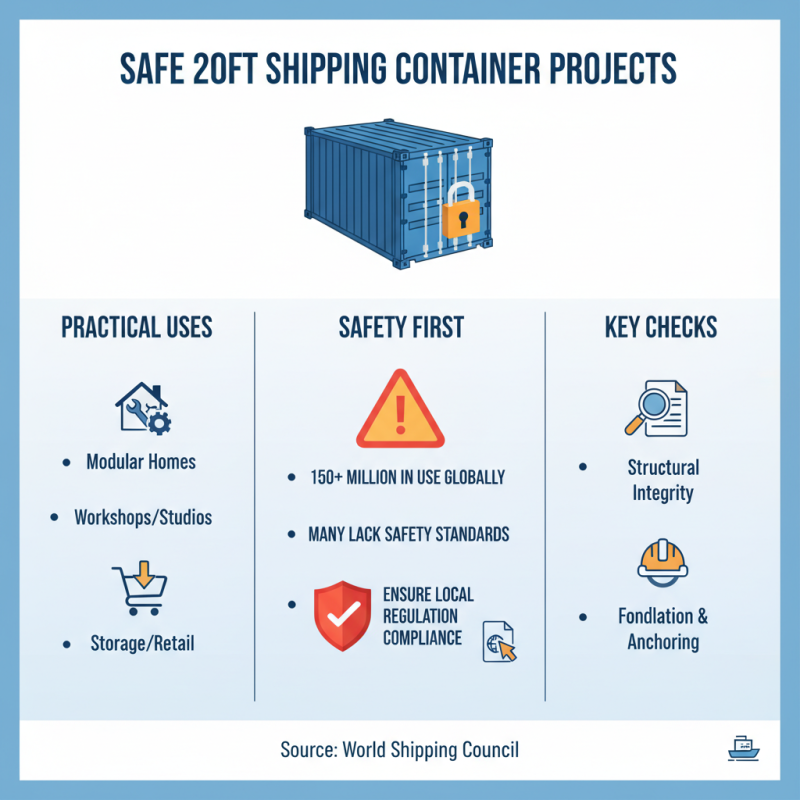
Using a 20ft shipping container for various projects can be practical. However, safety must remain a top priority. According to the World Shipping Council, over 150 million shipping containers are in use globally, but many are not up to safety standards. Users need to ensure their containers comply with local regulations.
Local building codes often dictate how to modify or use containers. In some regions, a permit may be required. For instance, creating a livable space from a container can involve specific electrical and plumbing codes. Ignoring these laws can lead to fines or even demolition. Research shows that over 30% of container projects face regulatory issues, leading to delays.
It is essential to check for structural integrity. Many containers have suffered corrosion and damage during transit. A thorough inspection can help avoid hazards. Additionally, proper ventilation is crucial for health and safety. Containers can trap heat and moisture, promoting mold growth. Keeping these considerations in mind will lead to a safer and more compliant project.
If for some reason you did not find the service or product you need, you can always leave a request for a free consultation and get an answer.