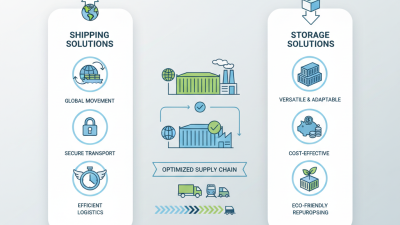
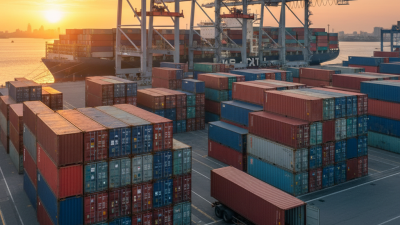
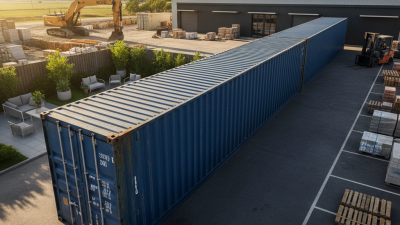
In recent years, the use of sea containers has surged as a versatile solution for both storage and shipping needs. According to a report by the International Maritime Organization, approximately 90% of global trade is facilitated by shipping containers, highlighting the critical role these units play in the logistics and supply chain sectors. Sea containers are not only durable and weather-resistant but also highly efficient, often leading to substantial cost savings. The flexibility of these containers allows for various applications, ranging from standard cargo shipping to innovative storage solutions.
The global sea container market is projected to grow significantly, driven by the increasing demand for efficient shipping methods and the rise of e-commerce. A study by Research and Markets indicates that the sea container industry is expected to reach a valuation of over $9 billion by 2025. This growth can be attributed to the rising popularity of modular and sustainable solutions in construction and storage. As businesses seek to optimize their operations and reduce costs, sea containers have emerged as a practical alternative, enabling companies to streamline their logistics while ensuring the safe transport of goods across vast distances.
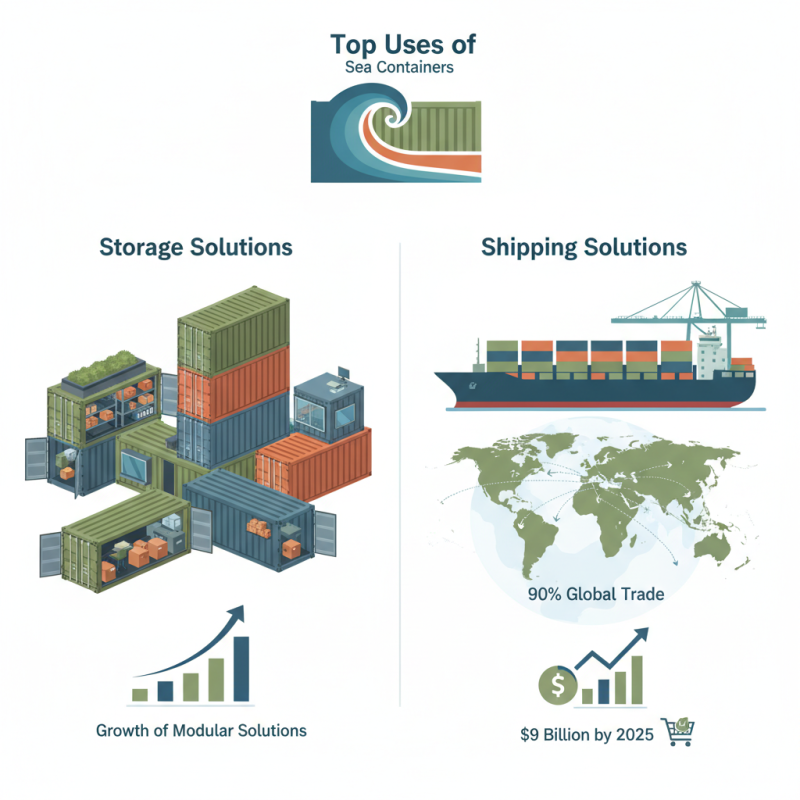
Sea containers have revolutionized storage and shipping solutions across various industries, offering a flexible and efficient way to manage goods. According to a report by Grand View Research, the global shipping container market size was valued at approximately $6.1 billion in 2020 and is expected to expand at a compound annual growth rate (CAGR) of 4.5% from 2021 to 2028. This growth highlights the increasing reliance on sea containers for not only international shipping but also for storage applications within local markets.
One of the top uses of sea containers is for on-site storage. Many businesses utilize these containers to handle excess inventory or equipment, especially in sectors like construction and agriculture where space can be limited. A study conducted by the Freight Transportation Research Group indicates that utilizing sea containers for storage can lower costs by up to 30% compared to traditional warehouse rentals. Additionally, with their robust and weather-resistant designs, sea containers provide a secure and mobile solution for companies looking to manage their logistical needs more efficiently, reducing the risks associated with product damage and theft.
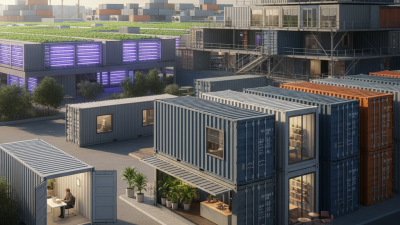
Moreover, sea containers are increasingly being repurposed into pop-up shops, cafes, and even housing, demonstrating their versatility beyond traditional shipping roles. The World Bank notes that innovative uses of containers can lead to a 20% reduction in urban construction costs and a decrease in project timelines. As industries continue to seek sustainable and cost-effective solutions, the adaptability of sea containers will likely play a pivotal role in shaping future storage and shipping strategies.
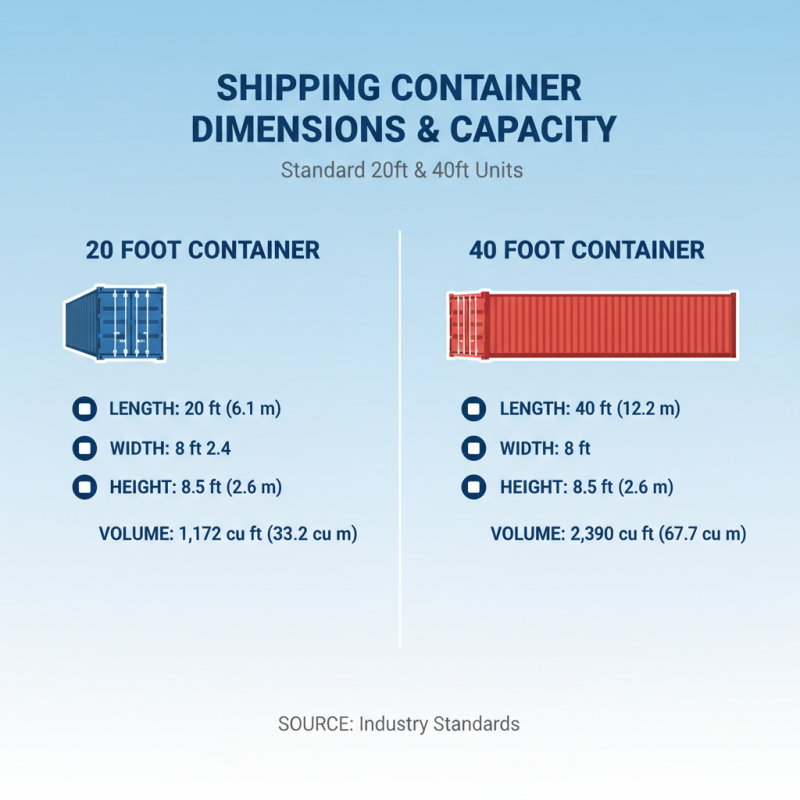
Sea containers, also known as shipping containers, are versatile units used widely for storage and shipping solutions. Understanding their dimensions and capacities is crucial for effective utilization. Standard shipping containers typically come in two primary sizes: the 20-foot and 40-foot variants. A 20-foot container generally has a dimension of approximately 20 feet in length, 8 feet in width, and 8.5 feet in height, providing a total volume capacity of around 1,172 cubic feet or 33.2 cubic meters. Meanwhile, the 40-foot container doubles that length, offering about 2,390 cubic feet or 67.7 cubic meters of storage space.
Additionally, there are high-cube containers, which feature an extra foot in height, allowing for greater vertical storage. The height of these containers reaches up to 9.5 feet, providing additional capacity for cargo. This increased height is particularly beneficial for items that require more room or for maximizing the load during shipping. The ability to stack and organize these containers effectively maximizes storage space, making them an excellent solution for both temporary and long-term storage needs. Understanding these specifications helps businesses and individuals make informed decisions tailored to their specific shipping or storage requirements.
Sea containers have revolutionized the shipping and logistics industry, providing a flexible and efficient solution for transporting goods across the globe. One of the primary advantages of using sea containers is their robust and standardized design, which allows for easy stacking and loading onto various transport modes, including ships, trucks, and trains. This seamless interchangeability not only speeds up the shipping process but also minimizes delays associated with transferring goods between different transport systems.
In addition to their structural benefits, sea containers offer significant cost savings in logistics operations. Businesses can optimize their storage space and reduce transportation costs by utilizing containers that can hold a large volume of goods while maintaining a compact footprint. Furthermore, the durability of these containers protects the contents from environmental factors during transit, ensuring that products arrive in excellent condition. This reliability enhances overall shipping efficiency, allowing companies to maintain a steady flow of supplies and meet customer demands promptly.
Sea containers have emerged as a highly versatile and cost-effective solution for both storage and shipping needs across various industries. Their adaptability allows businesses to utilize these robust structures for everything from storing goods temporarily to facilitating international trade. According to a report from the World Shipping Council, the increase in global trade has led to a rising demand for adaptable shipping solutions, with containerized cargo representing over 60% of all maritime trade. This statistic highlights the importance of sea containers in optimizing logistics and reducing transportation costs.
In terms of storage solutions, sea containers provide a secure option that can be customized to fit specific needs. Their durability offers significant advantages, particularly for businesses looking to minimize overhead costs associated with traditional warehousing. A study from the Container Owners Association noted that using sea containers as storage units can reduce overall costs by as much as 30% compared to conventional storage facilities, largely due to lower maintenance and operational expenses.
Additionally, their mobility allows for easy relocation, making them an ideal choice for industries that require flexible storage solutions. The utilization of sea containers not only streamlines operations but also supports sustainable practices, as they can be repurposed and reused, significantly reducing waste in the supply chain.
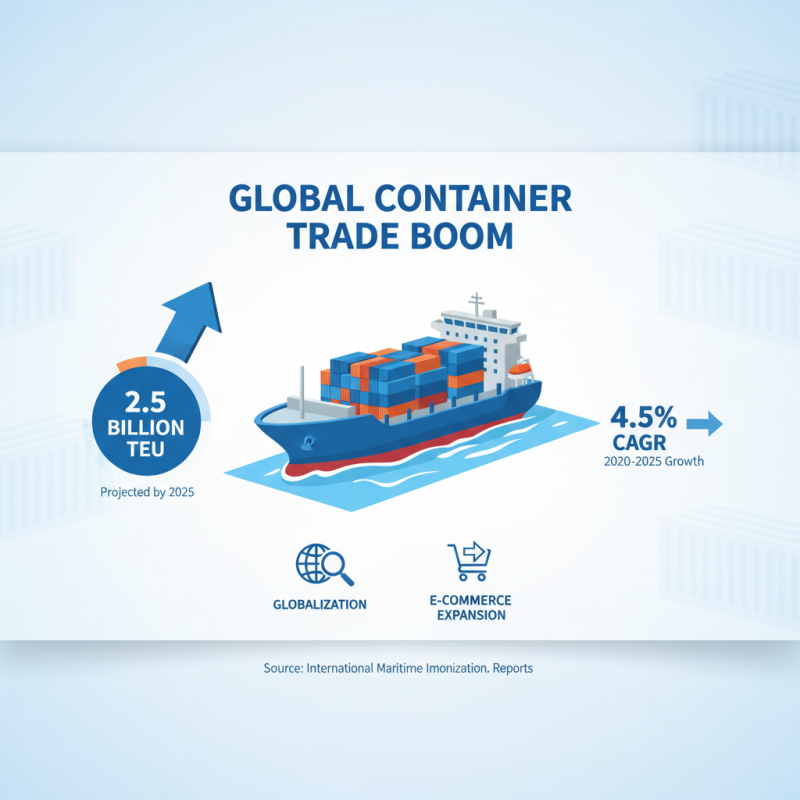
The use of sea containers for storage and shipping has been on the rise, driven by the increasing demand for efficient logistics and supply chain solutions. According to recent reports from the International Maritime Organization, global container trade is projected to reach approximately 2.5 billion TEUs (twenty-foot equivalent units) by 2025, reflecting a compound annual growth rate of around 4.5%. This surge is fueled by globalization and the expansion of e-commerce sectors, which require flexible and scalable storage options.
In addition to shipping, sea containers are increasingly being repurposed for various storage solutions across industries. The World Shipping Council indicates that more than 95% of the world’s cargo is transported by sea, highlighting the critical role these containers play in not just the shipping industry but also in warehousing and temporary storage solutions. Businesses are now turning to modified containers as secure, cost-effective, and mobile storage units, making them ideal for a wide range of applications from retail inventory to construction site materials.
Tip: For businesses looking to invest in sea containers, consider your specific storage needs and space constraints. Portable sea containers can be an economical solution, but it's essential to assess the environmental and logistical factors, including accessibility and local regulations related to container placement.
Furthermore, the sustainability of using recycled sea containers is becoming increasingly popular. Studies show that repurposing containers can reduce operational costs and carbon footprints, aligning with the industry's shift towards more sustainable practices. By embracing this trend, businesses can not only cut costs but also contribute positively to environmental goals.
Sea containers have become essential assets in both storage and shipping solutions due to their versatility and efficiency. With various dimensions and capacity specifications, these containers are designed to meet diverse logistical needs. Their advantages in shipping contexts include improved logistics efficiency, cost-effectiveness, and reliability, making them a preferred choice in global trade.
Moreover, the global market trends indicate a rising demand for sea containers as industries continue to seek innovative adaptations for modern applications. From being transformed into temporary housing to mobile offices, sea containers are increasingly repurposed, showcasing their adaptability beyond traditional shipping roles. As businesses recognize the economic benefits and functional versatility of sea containers, their usage is expected to grow, reflecting a significant shift in storage and logistics practices.
If for some reason you did not find the service or product you need, you can always leave a request for a free consultation and get an answer.