Top Uses and Benefits of Cargo Containers in Modern Shipping and Storage
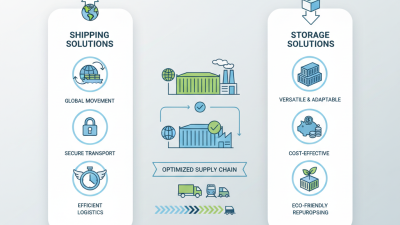
In the transformative landscape of global trade and logistics, the cargo container has emerged as a pivotal element, revolutionizing the way goods are transported and stored. These versatile metal boxes serve not only as a means for shipping but also as a crucial tool in the optimization of supply chain operations. Their standardized dimensions enhance efficiency, enabling seamless transfers between ships, trucks, and trains, thus facilitating global commerce.
The benefits of cargo containers extend beyond mere transport. They offer unmatched durability and protection for products, ensuring that items are safeguarded from environmental factors during transit. Moreover, the innovations in cargo container design have led to their adoption in diverse applications, from temporary housing solutions to pop-up shops, showcasing their multifunctionality. By exploring the myriad uses and advantages of cargo containers, we gain a deeper understanding of their impact on modern shipping practices and their relevance in today’s evolving economic landscape.

Top Uses of Cargo Containers in Global Logistics and Supply Chain Management
Cargo containers have revolutionized global logistics and supply chain management, serving as essential tools for transporting and storing goods efficiently. As of 2022, the global cargo container market was valued at approximately $9.5 billion and is projected to grow significantly, driven by increasing international trade and the demand for efficient shipping solutions. These versatile containers optimize space and reduce shipping costs, which is crucial in an era where businesses seek to enhance their operational efficiency and cut down on expenses.
A key benefit of using cargo containers is their ability to facilitate intermodal transport. With standardized dimensions, containers can easily be transferred between ships, trucks, and trains without the need for unloading and reloading, thus minimizing damage and loss. This seamless transfer enhances supply chain visibility and reliability, making it easier for businesses to monitor their inventory and logistics processes. According to a report by Deloitte, 64% of companies have reported improved delivery times after implementing intermodal container shipping strategies.
**Tips:** When deploying cargo containers in logistics, consider investing in condition monitoring technology that can provide real-time data about the cargo's status, ensuring that temperature-sensitive items are stored appropriately. Additionally, adopting a flexible shipping strategy can help businesses quickly adapt to changing market demands and optimize their inventory supply flows. Ensuring efficient utilization of cargo containers not only reduces costs but also contributes to sustainability efforts by minimizing waste associated with overproduction and transportation.
Top Uses and Benefits of Cargo Containers in Modern Shipping and Storage
| Use Case |
Description |
Benefits |
Environmental Impact |
| Shipping |
Transporting goods across seas and oceans. |
Cost-effective and efficient movement of large volumes. |
Reduces carbon footprint per ton-mile. |
| Storage |
Utilized for temporary and long-term storage of goods. |
Secure, weather-resistant and modular storage solution. |
Promotes reuse of materials and reduces waste. |
| Modular Construction |
Building homes and offices from repurposed containers. |
Quick construction time and lower costs. |
Recycling of shipping containers reduces landfill use. |
| Creative Spaces |
Used for art studios, cafes, and pop-up shops. |
Flexible design and low initial investment. |
Encourages innovative reuse of materials. |
| Transport of Hazardous Materials |
Specifically designed containers for dangerous goods. |
Safe handling and compliance with regulations. |
Minimizes risk of spills and accidents. |
Benefits of Standardization in Cargo Container Sizes and Designs
The standardization of cargo container sizes and designs has revolutionized the shipping and storage industries, offering numerous advantages that enhance operational efficiency. One primary benefit of this uniformity is the simplification of logistics. With standardized container dimensions, companies can streamline loading and unloading processes, making it quicker to transfer goods across different modes of transport—from ships to trucks and trains. This efficiency not only reduces turnaround times but also minimizes the risk of damage, as containers are designed to fit securely and effectively on transportation platforms.
Furthermore, standardization fosters global trade by ensuring compatibility across international borders. When shipping containers adhere to universally accepted sizes, businesses can easily negotiate and collaborate with partners worldwide, eliminating the complexities associated with varying container dimensions. This harmonious integration promotes better inventory management and reduces storage costs, as warehouses can optimize space utilization by storing containers of the same size. Ultimately, the standardization of cargo containers facilitates a smoother, more reliable supply chain, allowing businesses to respond swiftly to market demands while maintaining cost-effectiveness.
Environmental Impact and Sustainability Benefits of Reusing Cargo Containers
Reusing cargo containers has gained significant attention due to their potential for promoting environmental sustainability. One of the most compelling benefits of repurposing these containers is the reduction of waste. Thousands of shipping containers end up in landfills when they reach the end of their transport life. By creatively reusing them for various purposes such as homes, offices, and storage facilities, we can divert this waste from landfills and give these structures a second life, minimizing our ecological footprint.
Moreover, converting cargo containers into functional spaces contributes to energy efficiency. These steel structures inherently possess durability and strength, allowing for better insulation. When fitted correctly, they can reduce energy costs associated with heating and cooling. Additionally, the process of converting containers often requires fewer materials compared to traditional construction, further decreasing resource consumption.
This eco-friendly approach not only addresses the immediate need for innovative storage solutions but also aligns with broader goals of sustainability and responsible resource management, making it a pivotal step towards greener living and working environments.
Economic Advantages of Using Cargo Containers in Modern Shipping Operations
The economic advantages of using cargo containers in modern shipping operations are substantial and far-reaching. According to a report by the United Nations Conference on Trade and Development (UNCTAD), the global shipping container fleet is estimated to reach approximately 26 million TEUs (Twenty-foot Equivalent Units) by 2025, underlining the growing reliance on containerized transport. The adoption of cargo containers allows companies to optimize their shipping routes and reduce transit times, leading to significant cost savings. A study published in the Journal of Transportation and Supply Chain Management indicated that utilizing containers can reduce shipping costs by up to 25%, primarily due to increased efficiency and decreased handling times.
Moreover, cargo containers promote standardized shipping practices, which facilitate easier handling and transfer across different transportation modes. This standardization is crucial for interoperability in global trade, as it minimizes the risk of damage and loss during transport. According to the World Bank, containerization has increased the volume of global trade by approximately 300% since the 1960s, illustrating the transformative impact of this shipping method. Coupled with the growing trend of intermodal transportation, which combines various modes of transport using the same cargo containers, businesses can achieve greater flexibility and reliability. This not only improves supply chain efficiency but also enhances overall economic productivity, making cargo containers an indispensable asset in modern shipping and storage solutions.
Top Uses and Benefits of Cargo Containers in Modern Shipping and Storage
Innovative Applications of Cargo Containers Beyond Traditional Shipping Purposes
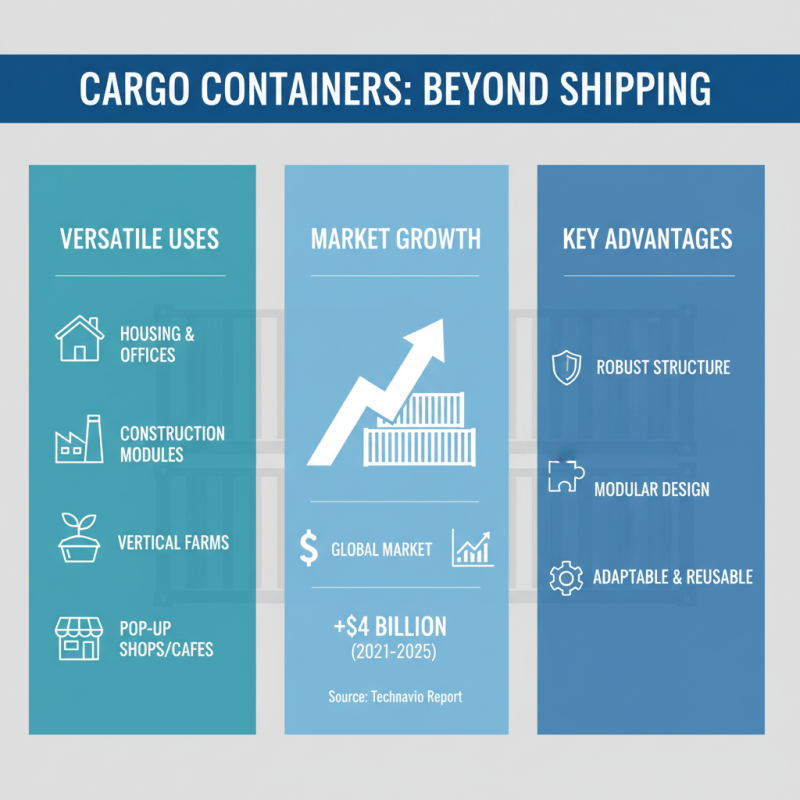
In recent years, cargo containers have transcended their traditional role in shipping to become versatile assets in various sectors. Their robust structure and modular design have led to innovative applications in construction, housing, and even agriculture. According to a report by Technavio, the global market for shipping containers is expected to grow by nearly $4 billion from 2021 to 2025, highlighting their increasing acceptance beyond typical transport purposes.
One of the most exciting uses of cargo containers is in the realm of sustainable building. Architects and builders have begun utilizing shipping containers to create eco-friendly homes and commercial spaces, attracting attention for their cost-effectiveness and reduced environmental footprints. The World Economic Forum noted that using shipping containers as building materials can lower construction costs by up to 30%. Furthermore, the adaptability of these containers allows for unique architectural designs, catering to urban housing demands in a way that traditional construction cannot.
Additionally, the agricultural sector is leveraging cargo containers for innovative farming solutions. Container farms are emerging as a compelling answer to food security challenges, particularly in urban environments. This method allows for year-round crop production irrespective of external climate conditions. According to a study by the Food and Agriculture Organization (FAO), urban agriculture, including container farming, has the potential to yield up to 10 times more produce per square meter compared to traditional farming methods, emphasizing the efficiency and practicality of utilizing cargo containers in modern agriculture.