
en es

What is a Universal Bone Drill and How is it Used?

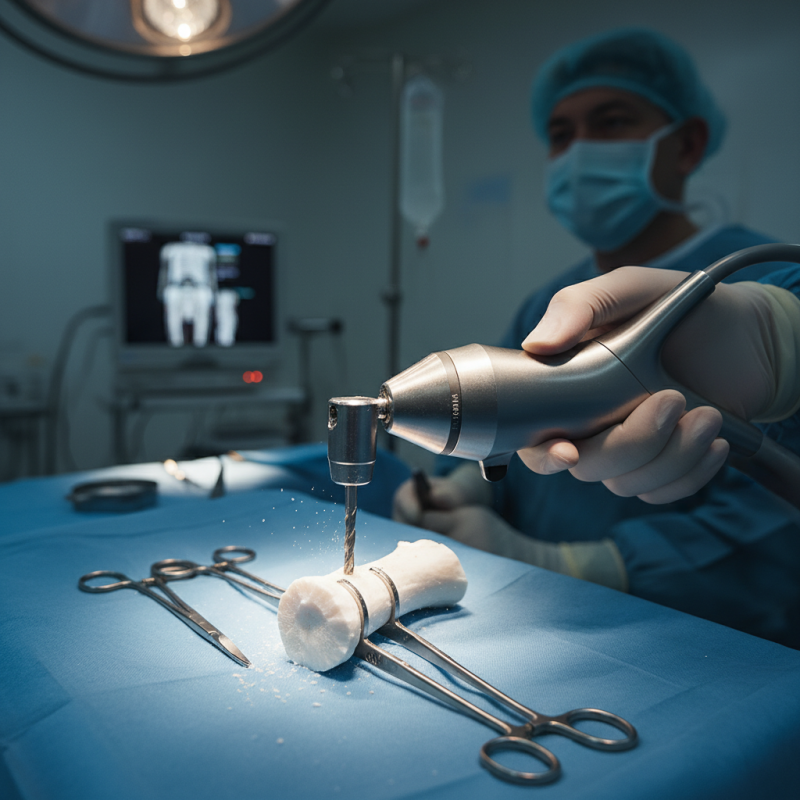
The medical field constantly seeks innovation to enhance surgical procedures. One such advancement is the Universal Bone Drill. This versatile tool is designed for various orthopedic surgeries. It helps in drilling precise holes in bones, aiding in screw placements and implant installations.

The Universal Bone Drill is user-friendly, allowing surgeons to operate efficiently. Its ergonomic design promotes comfort during lengthy procedures. However, proper training is essential for optimal usage. Missteps can occur with any tool, leading to complications. Surgeons must remain vigilant and continually refine their skills.

Incorporating new technology can pose challenges. Not all medical facilities may have access to modern drills. The cost may also be a barrier for some. Despite these hurdles, the Universal Bone Drill stands out in orthopedic surgery. Its effectiveness has made it a noteworthy topic for further exploration.
What is a Universal Bone Drill and How is it Used?

What is a Universal Bone Drill?

A universal bone drill is a versatile surgical tool used in orthopedic procedures. It is designed to prepare bone surfaces for the placement of screws, rods, or other implants. Surgeons favor this tool for its efficiency and ease of use. According to recent industry reports, the global orthopedic power tools market is projected to grow by 6% annually. This growth stems from advances in technology and increasing demand for minimally invasive surgeries.

In addition to its versatility, the universal bone drill often features adjustable speeds and torque settings. This flexibility allows surgeons to tailor the drill's performance to specific procedures, enhancing its effectiveness. However, the tool also presents challenges. For instance, improper use can lead to thermal necrosis of bone tissue, causing complications. A report by the American Journal of Orthopedics highlights that nearly 15% of orthopedic surgeries face complications related to drilling techniques.

Surgeons must be well-trained to harness the full potential of the universal bone drill. Continuous education on the latest techniques is vital. Experts note that as technology evolves, so do the challenges. Newer drills may require different handling methods. This underscores the need for ongoing training and adaptation in surgical practices. Specifically, studies show that surgeons who receive updated training can reduce complication rates significantly.

What is a Universal Bone Drill and How is it Used?

Feature Description
Type Handheld Surgical Tool
Purpose Drilling holes in bone for surgical procedures
Mechanism Rotary cutting action using sharp drill bits
Common Uses Orthopedic surgeries, implant placements, and reconstruction
Material Stainless steel for durability and sterility
Advantages Precision drilling, versatility in different surgeries, ease of use
Safety Features Depth stop mechanisms to prevent over-drilling

Components and Features of a Universal Bone Drill

A universal bone drill is an essential tool in orthopedic surgery. It allows surgeons to create precise holes in bone for various procedures. This drill is designed to accommodate different attachments, making it versatile. The components of a universal bone drill typically include a motor, a handpiece, and interchangeable drill bits. Each part plays a crucial role in ensuring effective functionality.

The motor drives the drill, enabling it to operate at varying speeds. This versatility is essential in different surgical contexts. The handpiece adds comfort and control for surgeons. It often features ergonomic designs, reducing hand fatigue. Interchangeable drill bits come in various sizes, catering to specific surgical needs. The precision of these bits can significantly impact surgical outcomes.

Tips: Always sterilize the drill and its components before use. This prevents infections and complications. Understanding the specific needs of the procedure is vital. It ensures the right bit is chosen. Remember, even small adjustments can influence results. Surgeons should continuously reflect on their technique and outcomes for improvement. Training sessions on drill usage can enhance skills. Regular maintenance checks are also crucial to keep the equipment in optimal condition.

Applications of Universal Bone Drills in Surgery

Universal bone drills have become vital tools in surgical procedures. They enable surgeons to perform precise drilling into bone structures. This is crucial for various applications, especially in orthopedic surgery. Bone drills are often used for implant placement and fracture fixation. With different drill bits, they can adapt to various surgical needs.

In orthopedic procedures, these drills assist in creating pilot holes for screws. This ensures accurate screw placement, reducing the risk of complications. The versatility of universal bone drills allows for use in minimally invasive surgeries. Surgeons can access hard-to-reach areas without extensive incisions. This minimizes patient recovery time and reduces scarring.

Tips: Always ensure the drill is properly sterilized. Contamination can lead to infections. Take time to select the right drill bit based on bone density. Not all bones are the same; some are harder than others. Reflect on your technique after the procedure. What could be improved? Learning from each surgery enhances future performance.

How to Operate a Universal Bone Drill Safely

Operating a universal bone drill safely is essential for any medical professional. This tool is used in surgical procedures to create holes in bone. Proper preparation is vital. Wear appropriate personal protective equipment, like gloves and masks. Additionally, ensure that the drill is clean and sterilized before use. Checking the equipment carefully can prevent complications.

During the procedure, maintain a steady hand. Avoid applying too much pressure, as this can cause damage to surrounding tissue. Follow specific guidelines for angle and depth when drilling. The ability to adapt to the situation is critical. Sometimes, the drill may not perform as expected. In such cases, reevaluate your technique and consult with colleagues if necessary.

Once the drilling is complete, inspect the site carefully. Look for any signs of complications. Proper aftercare is crucial for recovery. Document your procedure thoroughly. Reflection on your experience helps improve future practices. Remember, safety should always be your priority in every operation.

Maintenance and Care for Universal Bone Drills

Universal bone drills are essential tools in orthopedic surgery. Their operation depends on regular maintenance and care. Proper maintenance can extend the life of these drills and ensure optimal performance.

To maintain a universal bone drill, cleaning is crucial. After each use, disassemble the drill and clean all parts with appropriate solutions. This helps to prevent debris buildup. Sanitation must be prioritized to avoid infections. Disinfecting the drill according to industry standards is necessary. Regular inspections for wear and tear are advisable. Data shows that preventive maintenance reduces the risk of equipment failure by 25%.

Tips: Store bone drills in a clean, dry environment. This helps prevent moisture damage. Use lubricants recommended by industry experts to keep mechanical parts moving smoothly. Also, ensure that the battery or power supply is charged and functioning well. Occasionally reviewing the use and upkeep strategies can offer insights for improvement. Remember, even small oversights can lead to major equipment issues.

Get a quote
Open chat
1
Hi! How can we help you?
Chat with Pelican Containers