Shipping containers may look similar from a distance, but their design can change what they carry and how they are handled. A standard dry container suits many boxed goods, while a high-cube model offers extra vertical space. Refrigerated units control temperature. Open-top containers allow loading from above, and flat racks accommodate certain oversized items. Tank containers are built for compatible liquids. Each type serves a different purpose.
Choosing well takes more than matching a container to a cargo label. Consider the load’s dimensions, weight, sensitivity to temperature, loading method, and the equipment available at each end of the journey. A refrigerated unit, for example, needs a suitable power source and careful temperature planning. A flat rack may simplify loading, but its exposed cargo can need additional protection. Small details matter. Even interior dimensions can vary by model and manufacturer, so confirm specifications with a reputable supplier before planning a shipment.
This guide explores the top types of shipping containers and explains where each may be useful. It also points out practical trade-offs, from extra capacity to specialized handling needs. No single container is best for every job. The categories are helpful, though real-world choices are not always tidy; cargo shape, route conditions, and site equipment can change the answer. Use the comparisons as a starting point, then verify the exact container specifications for your shipment.
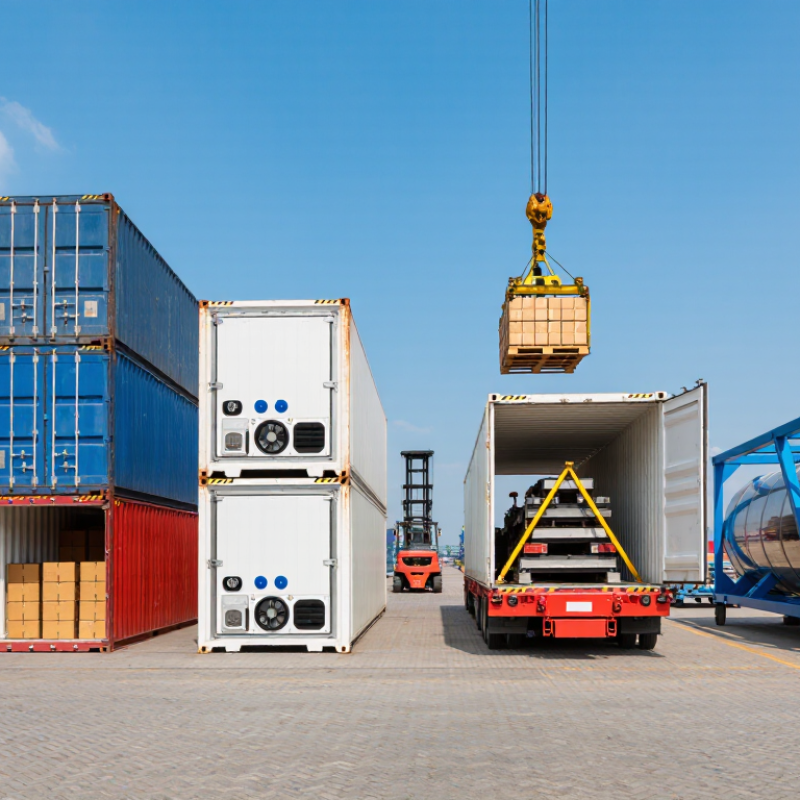
A shipping container is a strong, reusable box designed to move goods between ships, trains, and trucks. Most standard dry containers use a steel frame, corrugated steel walls, a floor, and two locking doors. The frame carries much of the load. Corner castings let lifting equipment grip the container and allow units to be stacked securely.
Construction starts with the base frame, usually made from heavy steel beams. Workers attach the floor, often built from treated timber panels, then fit the wall panels and roof. Corrugations add stiffness without requiring a flat sheet to be excessively thick. Welded joints connect the steel sections, while door seals help keep out rain and dust. Small details matter. A worn seal can let water in.
Not every container is built for the same job. Dry containers have enclosed walls; refrigerated units add insulation and cooling equipment. Open-top and flat-rack designs suit cargo that cannot fit through standard doors. These differences affect materials, weight, and maintenance needs. In practice, a container can look solid while hiding corrosion beneath paint or around floor supports. That is easy to miss. Careful inspection remains important, and construction quality alone cannot guarantee a container stays weather-tight for decades.
Shipping containers are built with different dimensions and features to carry specific cargo. This chart compares representative internal volumes for common container types; actual capacity varies by manufacturer and model.
High-cube containers provide extra height. Refrigerated containers use insulated walls and cooling equipment, which reduce usable interior space.
Shipping containers are classified by their dimensions, construction, intended use, and physical condition. Standard dry containers carry general cargo, from boxed goods to furniture. High-cube models add roughly one foot of interior height, which can help when loading tall or bulky items. Exact dimensions and usable space vary, so check the unit’s specification plate and measurements before planning a load.
Other classes suit particular handling needs. Refrigerated containers use insulated walls and temperature-control equipment; open-top containers allow loading from above. Flat-rack units have open sides or ends for oversized cargo, while tank containers hold liquids inside a secured vessel. These labels describe design, not a guarantee of suitability. A refrigerated unit, for example, needs a working power supply and verified temperature performance. Details matter.
Condition is another classification, though terms can differ between suppliers. A container may be described as cargo-worthy, wind- and watertight, or suitable for storage, but those descriptions should be supported by a careful inspection. Look closely. Check door seals, floor damage, corrosion, and roof leaks, especially after rain. A container can look sound from outside and still have hidden problems. Categories help narrow a choice, but measurements, inspection records, and the intended use provide a more reliable basis for selecting one.
Standard dry containers handle general cargo that needs protection from rain, salt air, and handling damage. A common 20-foot unit measures about 6.06 metres long externally; a 40-foot unit is about 12.19 metres. Both are roughly 2.44 metres wide and 2.59 metres high, following dimensions defined in ISO 668. Actual internal space is smaller, and door openings can limit what fits.
Measure the load, not just the container.
High-cube containers add about 30 centimetres of height, giving more room for tall cartons, furniture, or lightweight bulky goods. The extra space can help avoid stacking pressure, but it does not increase the container’s permitted payload. Check the door height, floor condition, and payload plate before loading. Small details matter.
UNCTAD’s Review of Maritime Transport 2024 reports global container-port throughput of 858.9 million TEU in 2023. A TEU is a twenty-foot equivalent unit, not a count of individual boxes. That scale helps explain why standard sizes matter across ports and handling equipment.
Still, choosing a high cube just because it has more room can be a mistake; cargo weight, securing needs, and route limits deserve equal attention. I’d measure twice.
Reefer containers maintain a controlled temperature for cargo such as fresh produce, seafood, and medicines. Insulated containers help limit temperature changes but do not provide active cooling. FAO’s 2019 State of Food and Agriculture report estimated that 14% of food is lost between post-harvest and retail. That makes reliable cold-chain handling more than a matter of convenience. Small errors matter. Confirm the cargo’s required temperature and ventilation settings before loading, and monitor the unit during transit.
For tall or unusually shaped cargo, open-top containers allow loading from above, while flat racks accommodate wide or heavy items that exceed standard container dimensions. Neither option makes every load suitable. Measure the cargo, including its lifting points and securing equipment, then check weight distribution and clearance along the planned route. In practice, a loading plan can look tidy on paper and still need changes at the dock. That’s worth allowing for.
Tips: Photograph the cargo before loading, record its measurements, and share handling instructions with the carrier. For temperature-sensitive goods, use an independent data logger where appropriate; the container display alone may not show conditions at every point inside.
A container should be chosen for the cargo’s shape, weight, and handling needs—not just its volume. Standard dry containers suit boxed goods, furniture, and many palletized loads that need protection from weather. Measure the tallest and widest pieces, including pallets and packing. A load can fit on paper but still be difficult to move through the doors. Fit matters.
For chilled produce, dairy, or other temperature-sensitive cargo, a refrigerated container offers controlled cooling. The cargo must allow air to circulate; tightly packed cartons can block airflow and create warm spots. Check the required temperature range and confirm the unit can maintain it during the planned journey.
For tall machinery loaded from above, an open-top container may help. Long or unusually wide equipment may need a flat rack, but secure lashing and weight distribution require careful planning. Tank containers are designed for bulk liquids, and compatibility with the tank’s materials matters.
There is no perfect match every time. A reefer can be unnecessary for goods that only need shade, while a dry container may not protect sensitive cargo from temperature swings. Share exact dimensions, gross weight, loading method, and environmental requirements with a qualified freight professional before booking. Even small details, such as a forklift’s entry clearance, can change the practical choice. I’d double-check those measurements; estimates are often optimistic.
If for some reason you did not find the service or product you need, you can always leave a request for a free consultation and get an answer.