China Top Bottle Labeling Machine Manufacturers?
Choosing a reliable manufacturer is essential when sourcing a Bottle Labeling Machine from China. A machine may look simple, yet its performance depends on sensors, conveyors, software, and adjustment quality. In real production, small errors can create wrinkles, loose labels, or costly product delays.
This guide examines leading Chinese manufacturers through practical and technical criteria. It considers machine accuracy, labeling speed, container compatibility, construction materials, and after-sales support. Factory experience also matters, especially when a supplier handles glass bottles, plastic containers, or irregular packaging. Clear specifications, documented testing, and responsive communication can reveal more than attractive catalog images.
Real production details matter.
The review also considers customization capability, installation training, spare-part access, and maintenance requirements. A dependable supplier should provide sample testing with the customer’s actual bottles and labels. It should also explain expected tolerances instead of promising perfect results without evidence. Certifications and export experience can support credibility, but they should be verified carefully.
No ranking is permanently correct. Market conditions change, and a strong supplier for beverages may not suit cosmetics or household products. Some manufacturers offer impressive automation, while their technical support may need closer evaluation. That limitation deserves attention. Buyers should compare complete solutions, not only the lowest quotation. By combining documented expertise, hands-on testing, and transparent communication, this overview helps businesses identify Chinese manufacturers that may deliver stable, efficient, and maintainable labeling equipment.
What Is a Bottle Labeling Machine?
What Is a Bottle Labeling Machine?
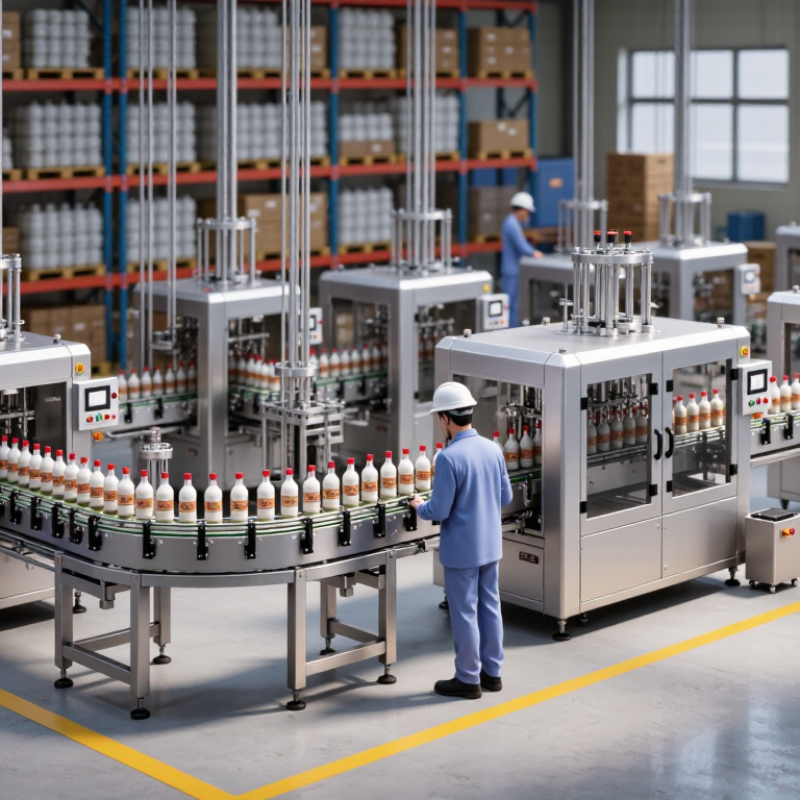
A bottle labeling machine is an automated device that places labels onto containers with controlled speed and accuracy. It can handle round, oval, square, or tapered bottles, depending on its structure and adjustments. The machine usually feeds bottles along a conveyor, separates them, and positions each label against a selected surface. It may apply pressure-sensitive labels, wraparound labels, or front-and-back labels. At its core, it combines movement, sensing, and controlled pressure.
A typical system includes a conveyor, label dispenser, sensor, drive roller, and control panel. The sensor detects each bottle and triggers label release at the correct moment. Rollers then press the label firmly onto glass, plastic, or other approved packaging materials. Operators must check bottle spacing, label tension, adhesive condition, and conveyor speed during production. Small changes can cause wrinkles, tilted labels, or missed applications. Real production is less perfect.
From an engineering perspective, a reliable machine should offer stable positioning, accessible adjustments, and clear maintenance procedures. Manufacturers should explain suitable bottle dimensions, labeling speed, material limits, and cleaning requirements. A practical factory test should use the customer’s actual bottles and labels, not only standard samples. This exposes problems early, although one test cannot predict every production condition. Dust, humidity, and uneven bottles may still affect performance. Careful records help operators refine settings instead of guessing.
How to Evaluate Chinese Bottle Labeling Machine Manufacturers
How to Evaluate Chinese Bottle Labeling Machine Manufacturers
Selecting a Chinese bottle labeling machine manufacturer requires more than comparing prices. Fortune Business Insights estimated the global labeling machine market at about USD 3.1 billion in 2023. It also projects steady growth through 2032. This demand attracts capable factories and inexperienced traders. Verify the factory’s production site, engineering team, and export history. Ask for recent machine videos, customer references, and serial-number records. A real manufacturer should explain label tolerance, bottle diameter, conveyor speed, and changeover time clearly.
Tips: Request a live factory acceptance test using your bottles, labels, and actual product speed. Measure placement accuracy across at least 100 containers. Check whether the machine maintains stable output after adjustments. Ask for electrical drawings, spare-parts lists, maintenance intervals, and operator training details. Confirm the proposed configuration matches applicable safety and electrical requirements in your market. A certificate alone is not enough.
PMMI’s 2024 industry research continues to identify labor availability, automation, and flexible production as major packaging priorities. Therefore, evaluate usability as carefully as speed. A machine rated at 120 bottles per minute may perform differently with thin labels or humid conditions. Inspect the labeling head, sensors, PLC brand, guarding, and reject system. Request a written performance guarantee. Some suppliers provide impressive demonstrations, but testing conditions can be unusually favorable. I would also examine after-sales response times and remote-support procedures. The cheapest quotation is often incomplete. That is easy to miss.
How to Evaluate Chinese Bottle Labeling Machine Manufacturers
Suggested evaluation weights for comparing suppliers. These are practical decision-making priorities, not market-survey results.
Leading Manufacturing Regions and Industry Capabilities
China Top Bottle Labeling Machine Manufacturers?
Leading Manufacturing Regions and Industry Capabilities
China’s bottle labeling machine sector is concentrated in Guangdong, Jiangsu, Zhejiang, and Shanghai. Each region has a different industrial character. Guangdong often combines automation, electrical integration, and export-oriented assembly. Jiangsu and Zhejiang offer strong machining networks and packaging equipment experience. Shanghai adds engineering depth, testing resources, and access to large food, beverage, and pharmaceutical users.
In practical factory evaluations, the machine frame is only the beginning. Check servo response, sensor accuracy, conveyor stability, and label tension during continuous operation. A capable manufacturer should provide sample trials with your actual bottles and labels. Bottle diameter, surface moisture, label material, and speed can change the result quickly. Small details matter.
Documentation also shows manufacturing maturity. Look for wiring diagrams, spare-part lists, maintenance schedules, and clear changeover instructions. Factory acceptance testing should record speed, placement tolerance, rejection rates, and downtime. Not always. Some suppliers test under ideal conditions only. That weakness deserves direct questions. No factory gets every project right on the first trial, but experienced teams explain the problem and correct it with measurable adjustments. Reliable support includes remote diagnosis, operator training, and accessible replacement components. Fancy claims are less useful than a stable label position after several hours of production.
China Top Bottle Labeling Machine Manufacturers? - Leading Manufacturing Regions and Industry Capabilities
| Manufacturing region | Regional industry strengths | Relevant labeling-machine capabilities | Common application fit | Evaluation points for buyers |
Zhejiang
Including Wenzhou and Ruian | A well-established base for packaging machinery, with suppliers serving filling, packaging, and labeling processes. | Bottle labeling equipment for round and selected flat or square containers; options may include wrap-around, front-and-back, and top labeling. | General-purpose packaging lines, including food, beverage, personal-care, and household-product applications. | Check container compatibility, labeling accuracy at the required speed, changeover time, and availability of local service and spare parts. |
Guangdong
Including the Pearl River Delta | A broad manufacturing ecosystem with access to electrical, electronic, automation, and packaging-related supply chains. | Equipment commonly configured with sensor-based label positioning, touchscreen controls, and integration with upstream or downstream packaging equipment. | Production environments needing configurable automation or integration with existing line equipment. | Confirm controls compatibility, line communication requirements, safety provisions, and the scope of installation and commissioning support. |
| Shanghai and Jiangsu | Strong industrial and engineering networks, with access to automation components and equipment-integration expertise. | Potential fit for integrated labeling systems, inspection add-ons, and lines requiring coordination with conveyors, fillers, or coding equipment. | Projects with defined automation, traceability, or production-line integration requirements. | Request a documented line layout, interface details, acceptance criteria, and test results using the actual bottle and label materials. |
| Shandong | A substantial industrial and food-processing economy, supported by manufacturers of production and packaging equipment. | Bottle labeling solutions can be specified as standalone machines or as part of broader packaging-line projects. | Food and beverage operations, subject to the required container, label, hygiene, and production specifications. | Review construction materials, cleanability, operating environment, output requirements, and after-sales coverage at the installation site. |
Regional profiles are indicative rather than a ranking. Actual machine configuration and performance depend on bottle geometry, label material, line conditions, and the supplier’s validated specifications.
How to Select the Right Manufacturer for Your Needs
China Top Bottle Labeling Machine Manufacturers?
How to Select the Right Manufacturer for Your Needs
Choosing a bottle labeling machine manufacturer requires more than comparing prices. Start by defining your bottle shapes, label materials, production speed, and expected daily output. Ask for test videos using your actual bottles and labels. A machine that performs well on round bottles may struggle with tapered containers.
Review the manufacturer’s engineering experience carefully. Check how the machine handles label positioning, sensor calibration, glue or adhesive changes, and speed adjustments. Request drawings, electrical specifications, spare-parts lists, and maintenance instructions. Reliable suppliers explain these details clearly. They do not hide behind polished sales language.
Visit the factory online or in person, if possible. Observe assembly areas, testing procedures, and quality records. Ask whether technicians provide installation training and remote troubleshooting. Confirm the response time for replacement parts. Small delays can stop a packaging line.
Be specific.
A written acceptance test is valuable. It should define labeling accuracy, operating speed, reject limits, and testing materials. Also verify that the equipment can meet applicable safety and labeling requirements in your market. No manufacturer gets every answer right. That is worth noticing. A supplier willing to admit a limitation may be more dependable than one promising flawless performance. Before signing, compare the full ownership cost, including upgrades, service, consumables, and operator training.
