
Top 10 Peptide Packaging Boxes for Global Buyers
Choosing the right packaging requires more than attractive printing. For global buyers, Peptide Packaging Boxes must protect products, communicate essential information, and support lawful distribution across different markets. A box may look premium on a showroom table, yet fail during humid warehouse storage or long-distance shipping. Small details matter, including board thickness, internal fit, tamper evidence, label clarity, and batch identification.
This guide introduces ten packaging options for peptide-related products handled through approved and regulated channels. Each option is considered through practical buying factors, such as material quality, structural strength, branding flexibility, sustainability, and supplier reliability. Sample cartons, folding boxes, rigid cases, and protective inserts may serve different needs. The best choice depends on product sensitivity, transport conditions, order volume, and local packaging rules.
Real purchasing decisions are rarely perfect. A lower unit price may bring higher damage rates. A beautiful finish may complicate recycling. A compact design may leave too little space for required information. Buyers should request material specifications, factory credentials, quality records, and pre-production samples before placing large orders. Independent testing can also help verify compression strength, print durability, and closure performance.
Compliance remains essential. Packaging should not imply unapproved medical claims or support unlawful distribution. Requirements can differ between countries and product categories. Qualified regulatory and packaging professionals should review final artwork, labeling, and shipping arrangements. With careful evaluation, these Top 10 Peptide Packaging Boxes can help buyers balance protection, trust, presentation, and responsible global supply.
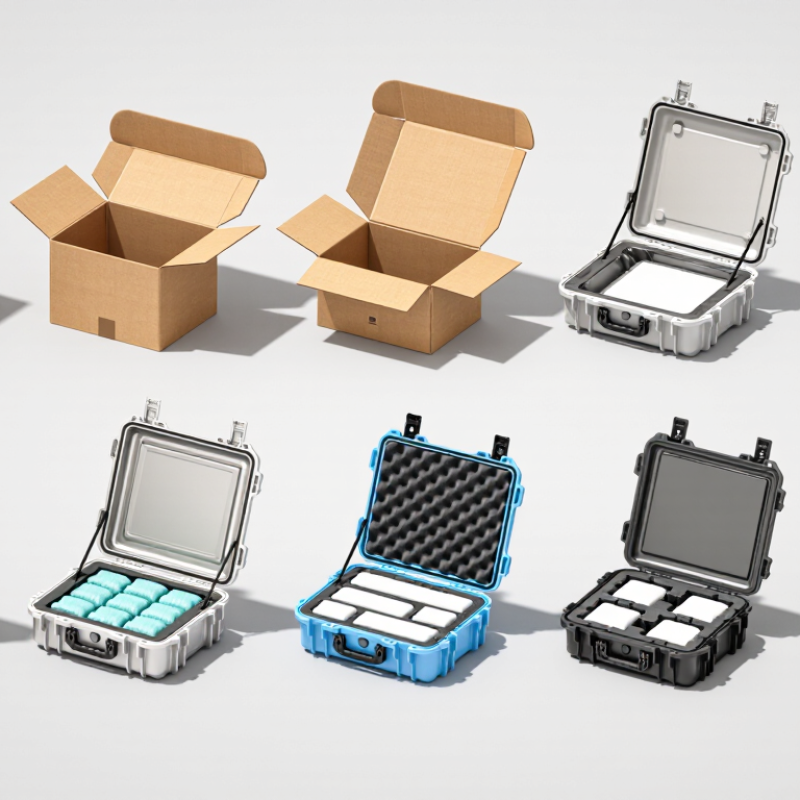
Peptide Storage Profiles: 2–8°C Refrigeration and 15–25°C Controlled Conditions
Top 10 Peptide Packaging Boxes for Global Buyers
Peptide Storage Profiles: 2–8°C Refrigeration and 15–25°C Controlled Conditions
Peptide packaging boxes must match the product’s validated storage profile. WHO Technical Report Series No. 961, Annex 9, describes refrigerated storage near 5°C, commonly managed within 2–8°C. For controlled conditions, 15–25°C is widely used in pharmaceutical handling. A box is not merely a container. It is a temperature-management system.
For 2–8°C shipments, insulated boxes need qualified coolant placement, internal spacing, and reliable temperature indicators. Packaging professionals should review thermal mapping results before approving a design. WHO good distribution practice guidance stresses documented temperature control during transport and storage. A practical box may include a secondary sealed pouch, absorbent material, and a tamper-evident closure. Small details matter.
For 15–25°C conditions, insulation still protects against short exposure to heat or cold. USP General Chapter <659> supports defined storage conditions and controlled temperature expectations. Data loggers can reveal hidden temperature spikes near box walls. That evidence is valuable, although one logger may not represent every shipment. This is where buyers should question assumptions. Box dimensions, route duration, seasonal weather, and opening frequency can change performance. A strong specification should state payload size, conditioning time, allowable excursions, and test method. Sometimes, simpler packaging performs better.
Top 10 Peptide Packaging Boxes for Global Buyers - Peptide Storage Profiles: 2–8°C Refrigeration and 15–25°C Controlled Conditions
| Rank | Packaging Box Type | Typical Primary Container | Recommended Storage Profile | Temperature Range | Key Protection Features | Typical Global Shipping Use |
|---|---|---|---|---|---|---|
| 1 | Insulated Cold-Chain Carton | Sealed vial or prefilled syringe | Refrigerated distribution for temperature-sensitive peptides | 2–8°C | Thermal insulation, coolant cavity, tamper-evident closure, impact protection | International air shipments requiring a maintained refrigerated range |
| 2 | Foam Insert Vial Box | Small glass or polymer vial | Refrigerated storage with strong secondary protection | 2–8°C | Precision-cut foam, vial separation, vibration reduction, stackable outer carton | Small-batch laboratory and clinical sample shipments |
| 3 | Multi-Vial Divider Box | Multiple sealed vials | Refrigerated storage for grouped peptide products | 2–8°C | Cell dividers, barcode-label area, moisture-resistant coating, organized loading | Wholesale distribution and consolidated international orders |
| 4 | Controlled-Ambient Folding Carton | Sealed vial, ampoule, or blister | Controlled ambient storage when supported by the product specification | 15–25°C | Light-blocking board, dust protection, tamper-evident seal, compact format | Routine parcel delivery without active refrigeration |
| 5 | Light-Protective Foil-Lined Box | Light-sensitive peptide vial | 2–8°C or 15–25°C according to the approved product label | 2–8°C / 15–25°C | Reduced light exposure, foil-laminated interior, cushioning, clear orientation markings | Long-distance air transport where light exposure must be minimized |
| 6 | Dry-Powder Peptide Box | Lyophilized powder vial | Dry, protected storage; temperature depends on stability data | 2–8°C / 15–25°C | Desiccant compatibility, moisture barrier, vial neck protection, secure insert | Research and analytical shipments of freeze-dried peptide materials |
| 7 | Syringe Protection Box | Prefilled syringe or cartridge | Refrigerated or controlled ambient storage based on validated requirements | 2–8°C / 15–25°C | Rigid cradle, tip-cap clearance, anti-rolling structure, puncture and shock resistance | Medical supply distribution and direct-to-site deliveries |
| 8 | Temperature-Monitoring Shipper Box | Vial, syringe, or secondary pouch | Validated cold-chain or controlled-ambient transport | 2–8°C / 15–25°C | Space for a temperature logger, insulated panels, security seal, shipping labels | Cross-border shipments requiring temperature evidence and traceability |
| 9 | Compact Sample Transport Box | One to four sample vials | Short-duration refrigerated or controlled-ambient transit | 2–8°C / 15–25°C | Low internal movement, tamper indication, compact dimensions, easy handling | Laboratory samples, stability testing, and small international consignments |
| 10 | Reusable Insulated Return Box | Vial tray or sealed secondary container | Repeated refrigerated logistics with qualified pack-out procedures | 2–8°C | Reusable insulation, replaceable coolant components, durable shell, cleaning-compatible surfaces | Recurring clinical, research, and distributor supply routes |
Storage temperatures must be confirmed against the peptide manufacturer’s approved label, stability data, and validated transport procedure. The 2–8°C range indicates refrigerated storage, while 15–25°C indicates controlled ambient conditions.