
en es

7 Tips for Choosing the Best Scooter Sport Bike?

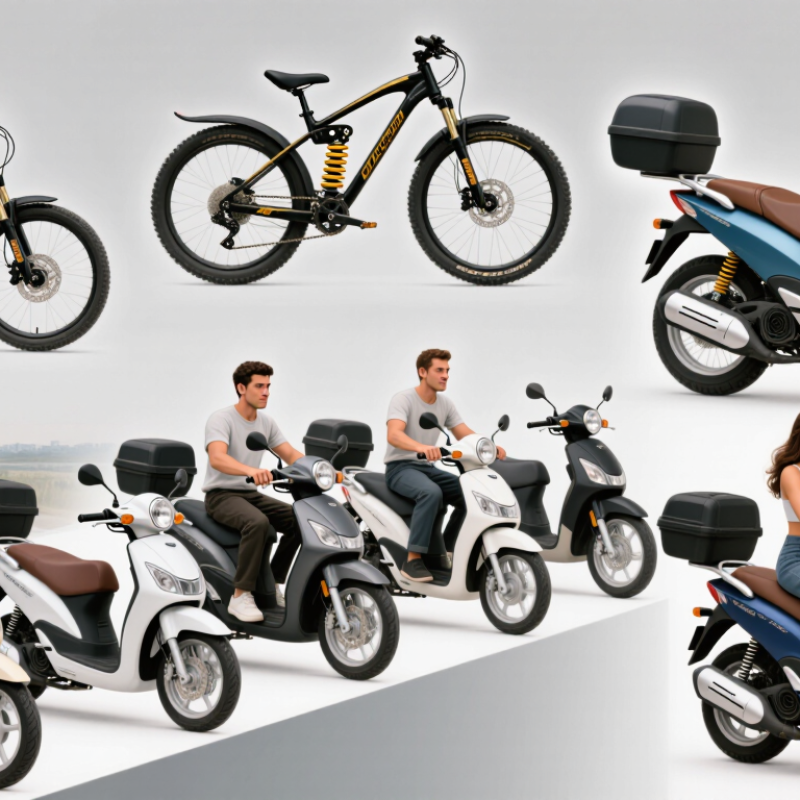
Choosing the right Scooter Sport Bike is not simply a matter of selecting the sharpest bodywork or the largest engine. It involves matching performance, comfort, safety, and daily practicality to your actual riding habits. A lightweight model may feel agile through crowded streets, while a larger scooter can offer stronger highway stability and extra storage. The best choice often looks less exciting on paper.

David L. Hough, author of Proficient Motorcycling, emphasized, “The most important safety feature on any motorcycle is the rider.” That principle matters when comparing a Scooter Sport Bike. Consider your experience, inseam length, braking confidence, road conditions, and maintenance skills before focusing on acceleration figures. A confident rider on a manageable bike is usually safer than an inexperienced rider chasing excessive power.

This guide introduces seven practical tips for choosing wisely. We will examine engine response, riding position, suspension, braking equipment, tire quality, storage, fuel economy, and dealer support. Sit on the bike. Feel the reach. Check the mirrors. Ask whether your wrists remain relaxed after several minutes. Manufacturer specifications provide useful evidence, but they cannot reveal every vibration, blind spot, or awkward control.

No checklist is flawless. Personal preference still matters. A model that feels excellent in a showroom may become tiring after an hour. Test rides should be conducted legally, with proper protective equipment and suitable road conditions. Reliable ownership also depends on service records, warranty terms, replacement-part access, and realistic running costs. Choose performance you can control, comfort you can maintain, and technology you genuinely understand.

7 Tips for Choosing the Best Scooter Sport Bike?

Define Your Riding Goals and Scooter Sport Bike Type

7 Tips for Choosing the Best Scooter Sport Bike?

Define your riding goal before comparing engine size or styling. A daily commuter needs easy balance, weather protection, storage, and smooth low-speed control. A weekend rider may prefer sharper steering, stronger acceleration, and firmer suspension. Mixed use demands compromise.

Choose the scooter sport bike type around your routine. Compact urban models suit narrow streets and frequent stops. Larger maxi-scooters offer better wind protection, passenger space, and highway stability. Sport-oriented scooters usually feel more responsive, but their firmer seats may punish long commutes. Try the riding position for at least fifteen minutes. Short showroom impressions can mislead.

Safety should influence the type, not decorate the checklist. NHTSA’s Traffic Safety Facts reported 5,932 motorcyclist fatalities in 2021. IIHS research found motorcycle anti-lock braking systems reduced fatal crash involvement by about 22 percent.

Look for predictable braking, clear controls, stable tires, and adjustable suspension. Measure seat height with both feet near the ground. Check whether the mirrors remain useful while turning. Small details matter.

An industry report cannot choose your scooter. It can expose risks. A model that looks exciting may feel tiring after one hour. I would also question my assumptions after a test ride. Carry your usual helmet, jacket, and bag. Then test acceleration, parking effort, visibility, and storage access in realistic conditions. A perfect choice is unlikely. A well-matched one is practical.

Compare Engine Performance, Speed, and Fuel Efficiency

Choosing a sport scooter begins with engine performance, not glossy bodywork. Tip one: check displacement, torque, and power delivery together. A larger engine may accelerate harder, but it can add weight and consume more fuel. Tip two: read the torque curve. Strong mid-range torque feels useful in traffic and on steep roads. Tip three: compare tested top speed, not advertising claims. Wind, rider weight, tire pressure, and road slope change real results.

Tip four: examine fuel economy under the Worldwide Motorcycle Test Cycle (WMTC). This standard uses repeatable speed phases, while daily riding remains less predictable. The U.S. Environmental Protection Agency’s Fuel Economy Guide shows motorcycle ratings ranging from roughly 30 to above 70 mpg, depending on engine size and test configuration. That gap matters. Tip five: calculate fuel cost from your weekly distance, not the best laboratory number. Short trips waste efficiency.

Tip six: inspect transmission behavior during a test ride. Smooth acceleration can matter more than a higher peak-speed figure. Tip seven: compare fuel-tank capacity with consumption, because range affects commuting convenience. The International Council on Clean Transportation notes that real-world fuel use can diverge from certification results across vehicle categories. I still get this wrong sometimes. A light scooter may feel quick, yet struggle with two riders or a headwind. Record cold-start behavior, cruising rpm, and actual refueling distance before deciding.

7 Tips for Choosing the Best Scooter Sport Bike? - Compare Engine Performance, Speed, and Fuel Efficiency

Tip Comparison Dimension Typical Technical Range What to Check Best Choice Guidance
1 Choose the right engine displacement 125–150 cc: approximately 10–16 hp
200–300 cc: approximately 18–30 hp
400–500 cc: approximately 35–48 hp
Consider rider weight, passenger use, hills, traffic, and highway requirements. Select 125–150 cc for urban commuting; 200–300 cc for mixed riding; 400 cc or more for frequent high-speed travel.
2 Compare acceleration and torque Typical peak torque:
125–150 cc: 10–15 Nm
200–300 cc: 18–30 Nm
400–500 cc: 35–50 Nm
Look for strong low- and mid-range torque, smooth CVT engagement, and responsive throttle control. Higher torque improves hill starts, overtaking, and two-up riding, but usually increases fuel consumption and weight.
3 Match top speed to your routes 125–150 cc: about 95–115 km/h
200–300 cc: about 120–155 km/h
400–500 cc: about 160–190 km/h
Compare the manufacturer-rated speed with wind protection, stability, braking performance, and local speed limits. Choose enough reserve for safe overtaking rather than selecting the highest possible top speed.
4 Evaluate real-world fuel efficiency 125–150 cc: approximately 2.0–3.0 L/100 km
200–300 cc: approximately 2.8–4.0 L/100 km
400–500 cc: approximately 4.0–5.5 L/100 km
Treat official test figures as a reference; traffic, riding speed, tire pressure, payload, and weather affect actual results. For the lowest operating cost, prioritize moderate displacement, fuel injection, and an efficient automatic transmission.
5 Check braking and chassis capability Preferred features: front disc brake, rear disc brake on larger models, dual-channel ABS, stable suspension, and quality tires. Confirm ABS availability, brake feel, tire width, suspension travel, wheel size, and wet-weather stability. A slightly slower scooter with dependable ABS and balanced handling is generally safer than a faster model with weak braking hardware.
6 Balance weight, ergonomics, and practicality Typical wet weight:
125–150 cc: 120–145 kg
200–300 cc: 145–185 kg
400–500 cc: 190–235 kg
Check seat height, turning radius, parking effort, storage capacity, riding position, and passenger comfort. A lighter model is easier in city traffic; a heavier model may provide better high-speed stability and touring comfort.
7 Calculate range and ownership value Typical fuel-tank capacity: 8–15 L
Estimated practical range: approximately 250–450 km per tank, depending on engine size and riding conditions.
Compare service intervals, tire costs, belt and roller replacement, insurance, warranty coverage, and parts availability. Choose the model that meets your performance needs while keeping routine maintenance, fuel, and replacement-part costs manageable.

Note: The figures are representative ranges for modern gasoline-powered scooter sport bikes. Actual performance varies with engine tuning, transmission calibration, rider and passenger weight, road conditions, weather, maintenance, and regional testing standards.

Check Frame Design, Braking Systems, and Rider Safety

7 Tips for Choosing the Best Scooter Sport Bike

A reliable scooter sport bike begins with a well-designed frame. Check the welds, steering column, and floorboard for flex. A rigid frame should feel stable, not harsh, during quick direction changes. Examine the wheelbase too. A longer wheelbase often improves balance, while a shorter one can feel more responsive. Neither choice suits every rider. Your height and riding posture matter.

Braking systems deserve serious attention. Test both brakes gently, then more firmly, in a quiet area. Look for smooth control, predictable stopping, and a lever that does not feel spongy. Disc brakes can offer strong performance, but maintenance still matters.

Check tire width and tread for wet-road grip. Inspect the suspension for leaks or unusual noise.

I once ignored a small rattle during a test ride; it became an expensive lesson. Do not repeat that mistake.

Choose clear controls, bright front and rear lighting, and visible reflectors. A loud horn also helps in crowded streets.

Wear a certified helmet, gloves, closed shoes, and protective clothing. Keep both hands ready, and avoid carrying loose bags on the handlebar. Practice emergency braking before riding faster.

Read the maintenance guide carefully, especially its inspection intervals. Even experienced riders miss details sometimes. Take a slow test ride. Pay attention to discomfort, delayed braking, or unclear controls, because these small signals often reveal larger safety concerns.

Evaluate Comfort, Storage, Technology, and Daily Practicality

7 Tips for Choosing the Best Scooter Sport Bike?

Evaluate Comfort, Storage, Technology, and Daily Practicality

A scooter sport bike should feel natural before it feels exciting. During a test ride, check your knee angle, wrist position, and seat firmness. Your feet should reach the ground without straining. A narrow seat can help shorter riders, but it may become uncomfortable after an hour. I once focused too much on acceleration and ignored back support. That mistake became obvious during daily commuting.

Storage changes everyday convenience. Measure the space under the seat with your helmet, rain gear, and a small lock. Some compartments look generous but lose room to hinges or wiring. Check whether the fuel area, charging port, or storage latch is easy to reach. A rear carrier may help, but extra weight can affect balance. Test the scooter with your usual items, not an empty bag.

Technology should solve real problems. Look for clear displays, reliable lighting, stable phone connectivity, and useful navigation access. Too many menus can distract you at intersections. Keep controls simple. Also inspect the mirrors, brake feel, tire condition, and suspension response on rough pavement. Ask for maintenance intervals and read the owner’s manual before deciding. No test ride reveals everything. Try the bike in traffic, on slopes, and during a slow parking maneuver. Daily practicality often matters more than impressive specifications.

Review Maintenance Costs, Reliability, Price, and Dealer Support

Choosing a scooter sport bike requires more than comparing showroom prices. Tip 1: Calculate total ownership cost. Add registration, insurance, tires, belts, oil, and scheduled labor. The American Motorcyclist Association’s 2023 market commentary notes rising parts and service expenses across powersports. A cheap purchase can become expensive after two years. Tip 2: Request a written maintenance schedule. Check belt replacement intervals, valve inspections, and battery access. Small details matter.

Tip 3: Test cold starting and low-speed balance. A smooth idle, firm brake feel, and quiet transmission suggest careful preparation. However, one test ride cannot prove reliability. Consumer Reports’ 2024 reliability survey shows that long-term owner data is more useful than impressions alone, although scooters are not always separated from motorcycles. That limitation deserves attention. Tip 4: Ask the dealer for failure-rate records, warranty exclusions, and average repair times. Vague answers are useful warnings.

Tip 5: Compare at least three dealer quotes. Include labor rates and diagnostic fees. Tip 6: Check parts availability before purchasing. A belt sitting in a warehouse means lost riding time. The Motorcycle Industry Council’s 2023 economic-impact reporting confirms that dealer service remains central to powersports ownership. Tip 7: Negotiate support, not only price. Request the first service, roadside assistance, or a loaner arrangement in writing. I would also inspect online owner forums carefully; repeated complaints can reveal patterns, but angry posts are not scientific evidence. Reliability needs records. Price needs context.

7 Tips for Choosing the Best Scooter Sport Bike

This neutral 100-point screening framework prioritizes reliability, total price, maintenance costs, dealer support, safety, comfort, and a practical test ride. Use the same criteria when comparing different scooter sport bikes, and verify local service prices, warranty terms, parts availability, and published maintenance schedules before buying.

Get a quote
Open chat
1
Hi! How can we help you?
Chat with Pelican Containers