The efficient use of a 20 ft container can significantly impact logistics and storage strategies in various industries. According to a report from the World Shipping Council, utilizing container space optimally can save up to 30% in shipping costs. This statement emphasizes the importance of strategic planning when using a 20 ft container.
James Smith, a logistics expert with over 15 years of experience, states, "Maximizing space in a 20 ft container requires careful evaluation of items." Different products have unique shapes and sizes, which can lead to wasted space if not considered properly. For instance, stacking boxes efficiently versus random placement makes a difference in volume usage.
However, achieving maximum efficiency isn't always straightforward. Improperly packed containers can result in damages and increased costs. Companies must regularly review their packing methods. Reflecting on these practices can lead to improved operations and better utilization of that precious 20 ft container space.
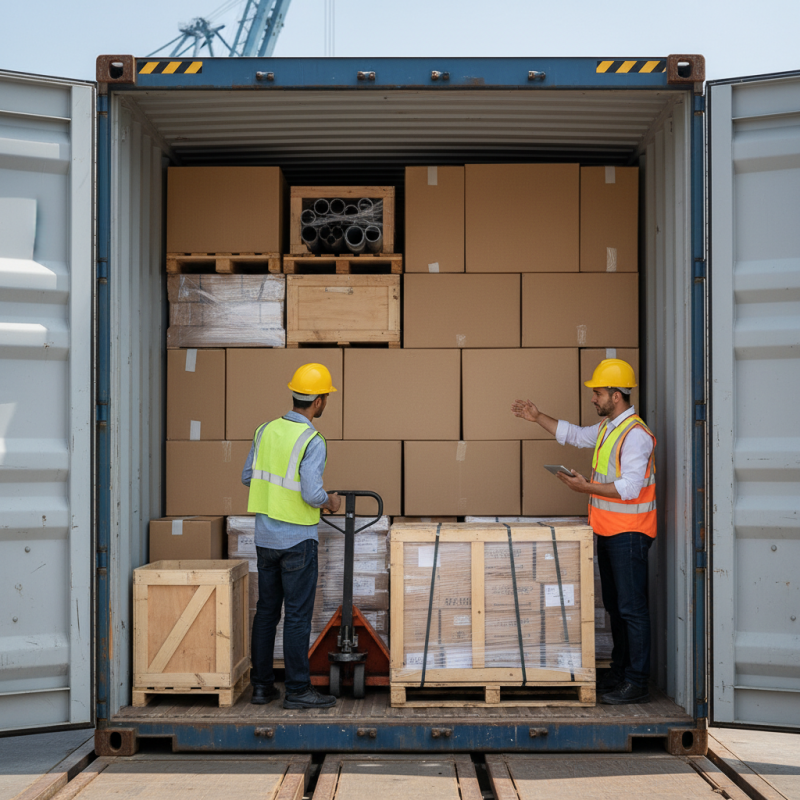
When considering a 20 ft shipping container, understanding its dimensions is crucial. A standard container measures about 20 feet long, 8 feet wide, and 8.5 feet high. This gives it a volume of roughly 1,170 cubic feet. Maximizing this space requires strategic planning.
You can store various items effectively, but not everything fits well. For instance, furniture like sofas and tables can be tricky. They take up space and might not stack well. Smaller items, such as boxes and tools, are easier to organize. Properly labeling boxes can help during retrieval. Consider using pallets for stacking. This creates additional space for more goods.
Keep in mind that weight distribution matters too. Overloading one side can make the container hard to move. You may also face issues if items are not secured properly. It’s essential to check dimensions before storing. Does everything fit as planned? Measure twice and pack once. Knowing what works and what doesn’t is part of the process.
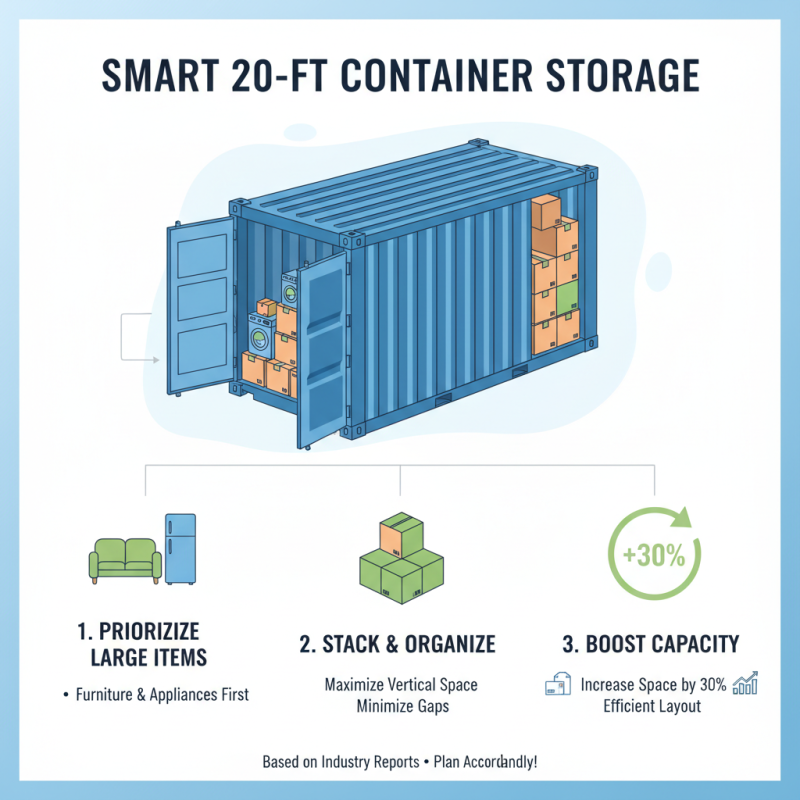
When utilizing a 20 ft container for storage, planning is crucial. To maximize efficiency, certain items make a significant difference. Large items, like furniture and appliances, should be prioritized. They occupy the most space and are harder to move later. According to industry reports, stacking boxes and minimizing empty space can increase storage capacity by up to 30%.
Consider seasonal items. Storing holiday decorations or out-of-season clothing can free up space in your home. Use vacuum-sealed bags to reduce their volume. These steps help maintain organization. It’s essential to label boxes clearly. This practice prevents confusion when accessing items later. Small details like using clear bins can save time and hassle.
Tip: Always assess your storage needs before starting. This provides clarity on what to keep. Be realistic about what you can store. Avoid packing emotional items that may create clutter. Reflection on what is genuinely needed leads to better decisions. By focusing on essential items, the container can remain functional and efficient.
When organizing a 20 ft container, efficiency is key. Studies indicate that proper arrangement can increase storage capacity by 30%. Utilizing vertical space is crucial. Stackable bins and shelves can help maximize every inch. When items are organized in a clear manner, it saves time when accessing them.
Consider grouping similar items together. Use labelling to facilitate easy identification. If items are scattered, it can create confusion and slow down productivity. A cluttered container can lead to wasted effort. Indeed, around 25% of stored items are frequently unused, according to industry reports. Reflecting on what you truly need can help you prioritize and make better use of available space.
Leave some empty space for new items. This allows for flexibility in storage and reduces the chances of overstuffing. Remember that not everything needs to be crammed in. Sometimes, less is more. Inadequate planning can lead to frustration, especially when searching for specific items. A well-thought-out organization system can significantly improve efficiency.
| Category | Items | Estimated Volume (cu ft) | Max Quantity |
|---|---|---|---|
| Furniture | Sofas, Chairs, Tables | 350 | 5-10 sets |
| Electronics | TVs, Computers, Audio Equipment | 200 | 20-30 items |
| Bikes | Mountain Bikes, Road Bikes | 100 | 15-20 units |
| Boxes | Apparel, Books, Kitchen Items | 400 | 50-80 boxes |
| Lawn & Garden | Tools, Grills, Furniture | 300 | 15-25 items |
| Sports Equipment | Golf Clubs, Surfboards | 150 | 10-15 items |
Packing sensitive items in a 20 ft container requires careful consideration. Begin with the right materials. Use bubble wrap, foam, and sturdy boxes. Each item deserves its own protective layer. Overpacking can lead to damage during transit. Smaller items should fit snugly without excess space. Avoid stacking heavy boxes on top of fragile ones.
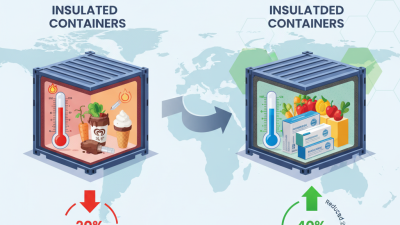
Consider temperature-sensitive items. These may require insulation to protect against extreme temperatures. A thermal blanket can be a simple yet effective solution. Using desiccants reduces moisture and prevents mold, especially in humid conditions.
Reflect on your packing process. Are items easily accessible? If you’ll need certain items soon, consider their placement. Labeling boxes clearly helps during unpacking. Ultimately, maximizing efficiency isn’t just about space; it’s also about preserving the integrity of what you store.
When utilizing a 20 ft container, efficiency in storage is vital. Seasonal items are excellent choices for container storage. For instance, holiday decorations, winter clothing, and summer sports equipment can be stored away during off-seasons. Statistics show that 37% of Americans use self-storage for seasonal items. This allows homes to remain clutter-free while ensuring easy access when needed.
Business-specific items also find a snug fit in a container. Retail inventory, unused office furniture, and spare equipment can be efficiently stored. A report revealed that 43% of small businesses opt for external storage solutions to manage excess inventory. The benefits are clear. For example, a marketing firm could store outdated promotional materials, freeing up office space. This can lead to a more organized workspace and better productivity.
However, not all items are ideal for container storage. Perishable goods and sensitive documents require specific handling. Mismanagement could lead to losses. Containers, while efficient, may lack climate control. Reflecting on this, businesses should regularly audit what they store. Effective planning can increase efficiency and meet evolving needs.
If for some reason you did not find the service or product you need, you can always leave a request for a free consultation and get an answer.