
en es

What Is a Stainless Steel Filter Element Used For?

A Stainless Steel Filter Element is used to remove unwanted particles from liquids or gases while allowing the process fluid to pass through. It may sit inside a pump line, a processing vessel, or a compact filter housing. In a food plant, it could capture residue before a liquid enters the next production stage. In a workshop, it might protect a hydraulic system from abrasive debris. The exact job depends on the element’s mesh or pore size, its construction, and the fluid being filtered. Small details matter.

These elements are often selected for strength, temperature tolerance, and resistance to corrosion. They can also be cleaned and reused when the application and maintenance plan allow it. But “stainless steel” does not mean universally suitable. The alloy, operating pressure, fluid chemistry, and cleaning method all need review. A filter that looks robust may still clog quickly or fail to capture particles of the required size. That is easy to overlook.

A named expert quotation should be verified against a reliable source before publication. No source was provided here, so I won’t invent one or attribute a made-up statement to an industry specialist. A useful engineering principle is simple: “Match the filter to the process, not just the housing.” This introduction sets up the practical questions ahead: what these elements capture, where they are used, and how to choose and maintain one. The answers are rarely one-size-fits-all.
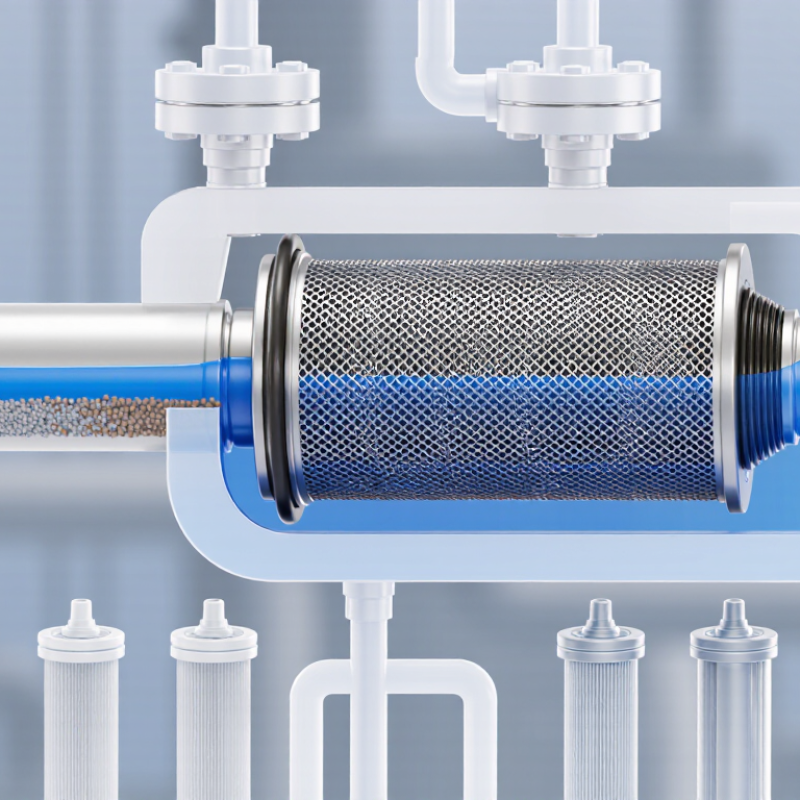
What Is a Stainless Steel Filter Element Used For?

What a Stainless Steel Filter Element Is

A stainless steel filter element is a porous component that separates unwanted particles from a flowing liquid or gas. It is commonly made from woven wire mesh, sintered metal powder, or layered stainless steel screens. The tiny openings allow fluid to pass while holding back particles larger than the element’s effective pore size. The structure feels rigid in the hand, unlike a flexible fabric cartridge. That distinction matters.

Construction affects performance. A woven element has visible crossing wires; a sintered element looks more like a solid, finely textured surface. Both can be selected for different particle sizes, flow rates, temperatures, and pressure conditions. Stainless steel also resists corrosion in many process environments and can often be cleaned for reuse. But “reusable” is not unlimited. Repeated cleaning can damage the media or change its performance, so inspection matters.

The global industrial filtration market was estimated at USD 29.3 billion in 2024, with a projection of USD 34.7 billion by 2029, according to MarketsandMarkets’ Industrial Filtration Market report. This broad market figure includes many filter types, not just stainless steel elements. For hydraulic filters, ISO 16889 describes a multipass test method used to assess particle-removal performance. In practice, an element’s rating should be considered alongside its material, seal design, and operating conditions. A pore-size number alone can be misleading.

How a Stainless Steel Filter Element Works

A stainless steel filter element works by forcing liquid or gas through a porous metal surface. The openings allow the fluid to pass while holding back particles that are too large to travel through them. Some elements use woven wire mesh; others use bonded, sintered metal powder. Their pore structure affects both particle retention and flow rate. The details matter. As dirt collects, resistance rises and the pressure difference across the element can increase. A filter rating is useful, but it does not always mean every particle of that size will be captured. Performance also depends on the fluid, operating pressure, and element design.

In a typical housing, unfiltered fluid enters around the element and passes through its wall. The filtered stream then leaves through an outlet. Trapped material remains on the surface or within the porous structure, depending on the element. A technician may monitor pressure readings or flow changes to judge when cleaning or replacement is needed. Backwashing can remove some deposits, while stubborn residues may require another approved cleaning method. Real systems are less tidy than diagrams suggest: sticky fluids and uneven particle loads can affect performance. That deserves attention. Stainless steel can tolerate repeated service in suitable conditions, but compatibility and inspection still matter.

Industries and Processes That Use Stainless Steel Filter Elements

Stainless steel filter elements serve industries that need dependable particle removal, cleanable components, or resistance to demanding process conditions. In food and beverage production, they may strain liquid ingredients, protect filling equipment, or capture residue during processing. In pharmaceutical facilities, suitable elements can support filtration of process fluids, but they must match the required cleanliness and validation procedures. Material choice alone does not guarantee a sterile result.

Chemical plants use them to remove solids from solvents, coatings, and process liquids. Oil and gas operations may use stainless steel elements in hydraulic systems, fuel handling, or gas filtration, depending on pressure and contaminant type. Water treatment plants use them to protect pumps and downstream membranes. Compressed-air and manufacturing systems also rely on filtration to limit dust, scale, and wear particles. The exact pore rating, alloy, and cleaning method matter; a filter that works well in one line may clog quickly in another. That detail is easy to overlook.

Tips: Check fluid compatibility, operating temperature, pressure, and particle size before selecting an element. Inspect it for damage and monitor pressure drop during use. Clean it only as specified for the process. A quick rinse may look sufficient, but trapped residue can remain inside the media.

What Is a Stainless Steel Filter Element Used For? — Industries and Processes That Use Stainless Steel Filter Elements

Industry Typical Process What the Filter Element Removes Why Stainless Steel Is Used Common Element Forms
Food and beverage Filtration of process water, edible oils, syrups, and other compatible liquids Suspended solids, product particles, and debris that could affect downstream equipment or product clarity Can be cleaned and reused when appropriately designed; the selected alloy and finish must suit the product and cleaning procedure Perforated baskets, wire-mesh elements, and sintered porous elements
Pharmaceutical and biotechnology Pre-filtration, process-fluid filtration, and filtration of cleaning or utility fluids Particulates that may interfere with equipment, process steps, or downstream filters Supports cleanable, durable designs; suitability depends on material grade, surface finish, construction, and validation requirements Mesh elements, pleated elements, and sintered elements
Chemical processing Filtration of chemical feedstocks, intermediates, solvents, and process liquids Insoluble solids, corrosion products, and particles generated during processing Selected stainless steel grades can resist many process environments and withstand repeated cleaning; compatibility must be checked for each fluid Woven mesh, perforated cylinders, and sintered metal elements
Oil and gas Filtration of fuels, lubricants, hydraulic fluids, and some process streams Rust, scale, sand, and other solid contaminants that can cause wear or blockage Metal construction is suited to many demanding operating conditions, subject to pressure, temperature, and corrosion requirements Mesh cartridges, basket strainers, and pleated metal elements
Water treatment Prefiltration, equipment protection, and filtration of industrial or utility water Coarse and fine suspended solids, depending on the element opening and system design Reusable elements can be backwashed or cleaned in suitable systems, reducing the need for frequent disposable replacements Mesh screens, wedge-wire elements, and perforated baskets
Power generation Filtration of cooling water, lubricating oil, and hydraulic or control fluids Particles that may contribute to fouling, abrasion, or wear in pumps, valves, and other equipment Rigid metal elements can tolerate demanding service when the alloy, rating, and design are matched to the operating conditions Basket elements, mesh cartridges, and sintered metal elements
Automotive and machinery manufacturing Filtration of coolant, cutting fluids, wash liquids, and hydraulic fluids Metal chips, abrasive particles, and other solids produced or collected during operation Durable, cleanable construction is useful in systems with repeated service and maintenance cycles Mesh screens, reusable cartridges, and perforated strainers
Pulp and paper Filtration of process water, coating liquids, and selected chemical streams Fibers, process debris, and suspended solids that could affect equipment or product quality Metal elements can be selected for wet, frequently cleaned service; resistance depends on the process chemistry and alloy Coarse screens, mesh elements, and perforated baskets

The appropriate stainless steel grade, filtration rating, and element design depend on the fluid, contaminant size, temperature, pressure, cleaning method, and applicable industry requirements.

Common Filter Designs and Their Applications

Stainless steel filter elements come in several designs, and each suits a different kind of filtration job. Woven wire mesh uses crossing metal wires to create clear openings. It works well for removing larger particles from water, lubricants, and process fluids, especially when operators need to clean and reuse the element. Mesh openings are relatively easy to inspect. But very fine particles may pass through, depending on the weave and operating conditions.

Sintered elements bond stainless steel powder into a rigid, porous structure. Their interconnected passages can capture finer particles, making them useful in gas lines, hydraulic systems, and high-temperature processes. They are sturdy, though cleaning them thoroughly can be difficult if contaminants lodge deep inside. Pleated elements add surface area within a compact housing, which can extend service intervals in circulating liquid systems. Candle-shaped elements, by contrast, are often installed in filter vessels for batch processing or steady-flow production. The right design depends on particle size, fluid properties, pressure, and cleaning needs. It is not always obvious. In practice, a filter that looks suitable on paper may clog quickly when the fluid carries sticky residue. Checking operating data and inspecting used elements can help refine the choice.

Factors That Determine Which Filter Element to Use

What Is a Stainless Steel Filter Element Used For?

Factors That Determine Which Filter Element to Use

A stainless steel filter element separates unwanted particles from liquids or gases in process equipment. It can help protect pumps, valves, and downstream components from debris. Its value depends on matching the element to the actual operating conditions, not simply choosing a sturdy material.

Start with the fluid and the particles you need to capture. Check chemical compatibility, operating temperature, pressure, and flow rate. Then select an appropriate pore or mesh rating. A finer element may capture smaller particles, but it can also create more pressure drop and require more frequent cleaning. Confirm whether the stated rating is nominal or absolute; this detail is easy to overlook. Consider how the element will be cleaned and how often it can be inspected. There is no perfect choice for every system. A selection that works on paper may perform differently when the fluid contains sticky residue or changing particle loads.

Tips: Compare the filter rating with the process requirement. Check pressure drop at the expected flow, and review the element after initial operation. Small deposits can reveal a mismatch early.

Get a quote
Open chat
1
Hi! How can we help you?
Chat with Pelican Containers