
en es

What is Solar Pump Inverter Market Growth Opportunities?

The Solar Pump Inverter Market is gaining momentum, driven by the need for efficient irrigation solutions. As energy costs rise, more farmers and agricultural businesses seek sustainable practices. This presents a significant opportunity for growth in this sector.

Innovations in solar technology are enhancing the reliability of solar pump inverters. These devices convert solar energy into usable power for pumping water. They not only reduce dependency on fossil fuels but also minimize operational costs over time. Yet, challenges remain, such as high initial setup costs and limited knowledge in some regions.

Understanding the dynamics of the Solar Pump Inverter Market is essential. Awareness and education about its benefits can lead to wider adoption. Stakeholders must consider market trends, local regulations, and technology advancements. Addressing these factors will be crucial for the market's expansion.
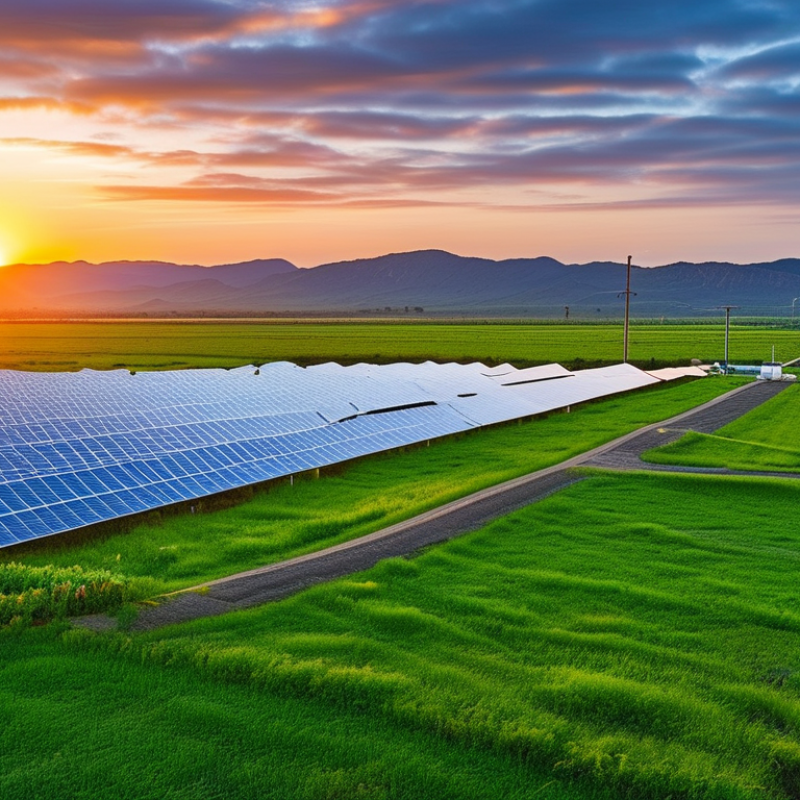
What is Solar Pump Inverter Market Growth Opportunities?

Current Trends in the Solar Pump Inverter Market and Their Implications

The solar pump inverter market is witnessing significant trends that shape its future. As renewable energy gains momentum, solar pump inverters are becoming more vital. Reports indicate a projected growth of over 10% annually in the next five years. This surge arises from rising demand for sustainable agricultural practices and water supply solutions.

New technologies enhance efficiency and reduce maintenance costs. For example, advanced MPPT (Maximum Power Point Tracking) algorithms boost energy extraction. This can lead to even more reliable operation in varying sunlight conditions. The integration of smart sensors also optimizes water delivery, allowing for better resource management.

Tip: Consider implementing regular system checks. Technology may improve, but maintenance remains crucial. The market's diversity shows opportunities, but not all solutions fit every scenario. Evaluate local needs to choose the right system.

The increasing endorsement of solar energy by governments accelerates adoption. Incentives and subsidies make it more accessible for farmers and communities. However, the initial investment can be a barrier. Proper assessments are essential to ensure viable returns on investment. Careful deliberation often reveals gaps that require attention before undertaking such projects.

Key Drivers Influencing the Growth of Solar Pump Inverter Demand

The solar pump inverter market is expanding rapidly, driven by several key factors. One major driver is the global shift towards renewable energy. According to a report by Fortune Business Insights, the solar pump inverter market is projected to grow significantly, reaching a valuation of more than $1.5 billion by 2028. This growth reflects rising awareness about sustainable practices across various sectors. The push for cleaner energy solutions has led to increased investments in solar technologies.

Another key influence is the agricultural sector's demand for efficient irrigation systems. A study by Research and Markets indicates that solar-powered irrigation pumps can lower energy costs by up to 60% compared to traditional systems. Farmers are increasingly adopting these technologies to enhance productivity while reducing their environmental footprint. However, challenges remain. Some regions still face high initial costs. Access to financing for these systems can be limited in rural areas.

Additionally, advancements in inverter technology play a crucial role in boosting market growth. Smart inverters enhance performance, offering improved energy management and integration with energy storage systems. As technology evolves, user awareness and education become essential. Stakeholders must ensure that the benefits of solar pump inverters are well-communicated to overcome skepticism about their efficiency and reliability.

Regional Analysis: Leading Markets for Solar Pump Inverters by 2025

The solar pump inverter market is evolving rapidly. By 2025, specific regions are expected to lead in this sector. Developing countries with vast agricultural landscapes are prime candidates. These countries face challenges like water scarcity and rising energy costs. Solar pump inverters offer a solution, allowing farmers to harness sunlight for irrigation.

Asia Pacific is projected to dominate the market. Countries like India and China are investing heavily in sustainable farming solutions. The integration of solar technology in agriculture is seen as a path toward energy independence. There are uncertainties, such as varying governmental policies and infrastructure readiness. These factors can influence market growth.

In North America, awareness is growing. Farmers are recognizing the benefits of solar pumps. Consequently, demand for innovative inverter technologies is rising. However, adoption may be slow in some areas. High initial costs and lack of knowledge remain hurdles. The varying regional responses highlight the complexity of the market landscape.

Technological Innovations Shaping the Future of Solar Pump Inverters

The solar pump inverter market is witnessing dynamic technological innovations. These advancements aim to enhance efficiency and performance of solar energy systems. Recent developments focus on smart inverter technology. Smart inverters enable real-time data monitoring. They adjust the power output based on solar availability and water demand. This responsiveness ensures optimized water supply for irrigation and other uses.

Integration with IoT also emerges as a game changer. This technology allows remote access and control over solar pump systems. Farmers can now manage their pumps from their smartphones. While these innovations promise significant benefits, challenges remain. Implementation costs could deter widespread adoption. Moreover, users need training to interface with these advanced systems. The balancing act between technology and accessibility is under ongoing discussion in the industry.

As solar technology evolves, the focus on energy storage develops concurrently. Efficient storage solutions complement inverters, enabling consistent output. However, the complexity of this integration requires ongoing research. There is still a long way to go before achieving seamless functionality across all systems. Encouraging collaboration between tech developers and users can bridge these gaps.

Competitive Landscape and Key Players in the Solar Pump Inverter Industry

The solar pump inverter market is growing rapidly, fueled by increasing demand for renewable energy sources. This growth presents various opportunities for players in the industry. Companies are entering the market to meet the rising need for efficient irrigation solutions and to minimize energy costs. The focus on sustainability drives innovation and investment in solar technology.

Key players in the solar pump inverter industry are continually enhancing their product offerings. They are adopting advanced technologies to improve efficiency and reliability. Manufacturers are exploring partnerships and collaborations to strengthen their market position. However, competition is fierce. Some companies struggle to keep pace with rapid technological advancements. Others face challenges in supply chain management and distribution.

Regional dynamics also play a crucial role in shaping the competitive landscape. Emerging markets present substantial growth opportunities. Yet, these same markets may pose risks, such as fluctuating regulatory policies or inconsistent demand. Companies need to adapt to local market conditions while maintaining a competitive edge. This ongoing evolution makes the solar pump inverter market a dynamic field worthy of close attention.

Solar Pump Inverter Market Growth Opportunities

The chart below illustrates projected market growth opportunities in the Solar Pump Inverter Industry over the next five years, based on recent market analysis.

Get a quote
Open chat
1
Hi! How can we help you?
Chat with Pelican Containers