What is a Shipping Container and How is it Used in Modern Logistics
In the rapidly evolving world of logistics, shipping containers have emerged as a cornerstone of global trade, facilitating the seamless movement of goods across vast distances. According to a report by the International Maritime Organization, over 80% of the world’s merchandise trade by volume is carried by sea, making shipping containers indispensable in modern supply chains. As cargo transport increases, so does the need for innovative solutions that enhance efficiency and reduce environmental impact.
As industry expert Dr. Emily Roberts, a leading figure in maritime logistics, asserts, “The versatility and standardization of shipping containers have revolutionized the way goods are transported, allowing for a more interconnected global economy.” This innovation not only streamlines the shipping process but also contributes to cost reductions and improved security for shipped goods. By considering the various applications of shipping containers—ranging from traditional freight shipping to repurposing them for storage and even housing—the 2025 landscape of logistics is set to be defined by sustainable practices and technological advancements.
Understanding the role that shipping containers play in this dynamic environment is essential for anyone looking to navigate the complexities of modern logistics. As we approach 2025, industry players must adapt to evolving trends, including automation, digitalization, and sustainability, to remain competitive in this vital sector.
What are Shipping Containers? Definition and Key Features in Logistics
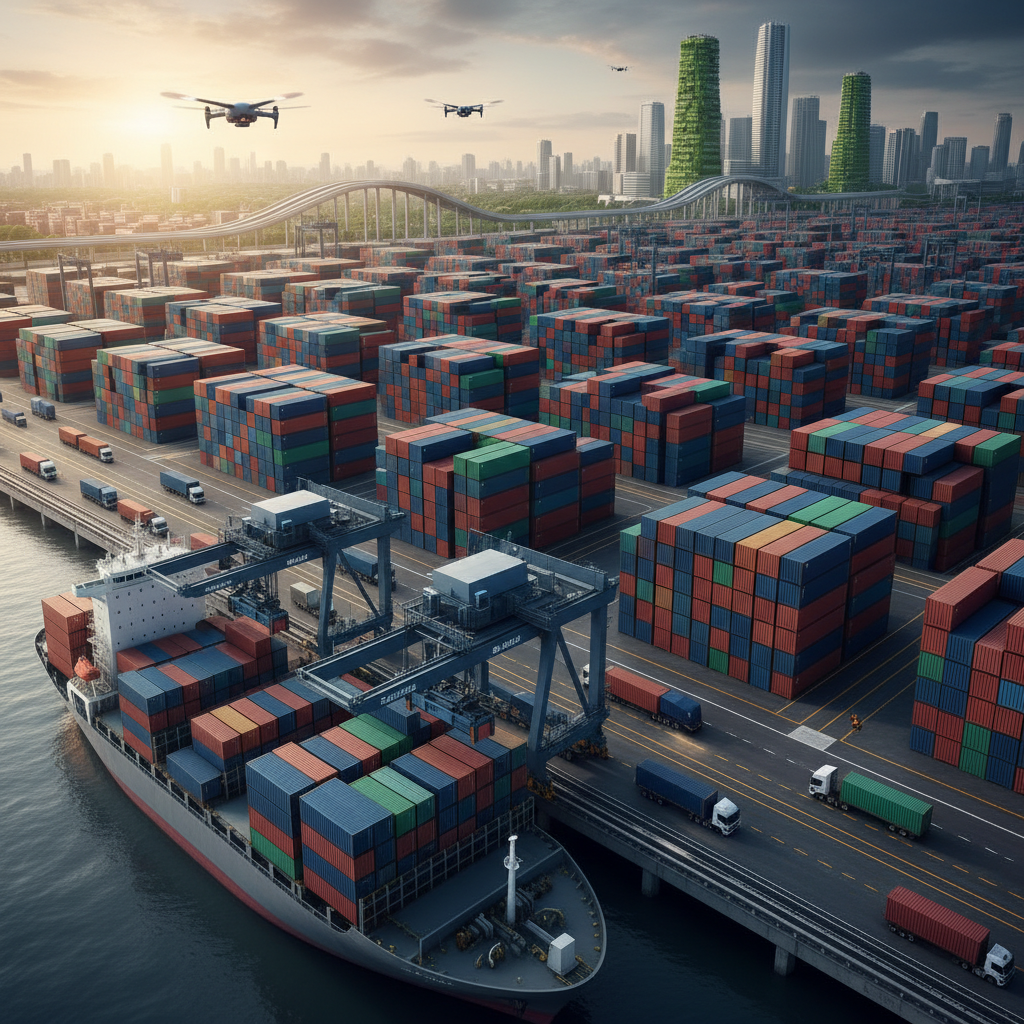
Shipping containers are standardized, reusable steel boxes used for transporting goods across various modes of freight transportation, including ships, trains, and trucks. They come in several sizes, with the most common being 20-foot and 40-foot containers. This innovative design allows for easy loading, unloading, and stacking, significantly enhancing the efficiency of global trade. The durability and weather-resistant characteristics of shipping containers make them ideal for transporting a wide variety of products, from machinery to perishables, securely and in bulk.
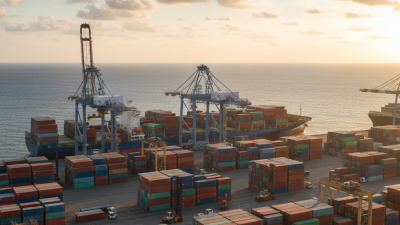
In modern logistics, shipping containers play a pivotal role in streamlining operations. Each container is typically equipped with unique identification numbers, helping to track shipments throughout the supply chain. Additionally, their uniform size facilitates the use of specialized handling equipment, such as cranes and forklifts, optimizing the logistics process. The ability to transport containers seamlessly across different transportation networks has revolutionized global commerce, reducing lead times and lowering shipping costs while increasing the overall reliability of logistical operations.
Shipping Container Types and Their Usage in Modern Logistics
This chart illustrates the various types of shipping containers used in modern logistics and their corresponding usage percentages. Standard containers are the most widely used, accounting for 62% of container usage, while specialized containers like reefer and tank containers make up significant portions as well.
The Role of Shipping Containers in Global Trade: Statistics and Trends
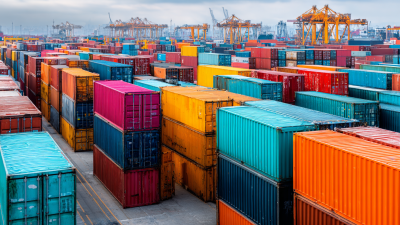
Shipping containers play a crucial role in global trade, revolutionizing logistics and transportation. More than 90% of the world’s goods are transported by sea, with containers allowing for efficient loading, unloading, and transport. In 2020 alone, the shipping container market witnessed a significant growth, with over 220 million TEUs (twenty-foot equivalent units) handled worldwide, according to the International Maritime Organization. The use of standardized containers has not only streamlined the shipping process but also reduced costs associated with cargo handling and has contributed to increased global trade volumes.
As the demand for containerized shipping grows, trends indicate a shift towards larger vessels and improved intermodal connectivity. According to a report by Drewry, container shipping capacity has nearly tripled over the last two decades, with the average size of containerships expanding from around 3,000 TEUs to over 20,000 TEUs. This increase in capacity has led to economies of scale, thereby decreasing freight rates and positively impacting global supply chains.
**Tip:** When selecting a shipping container for your logistics needs, consider investing in high-quality, durable containers that comply with industry standards to ensure the safety and security of your goods during transport.
**Tip:** Stay updated on global shipping trends and regulations, as these can influence shipping costs and delivery times. Regularly review logistics partnerships for optimal efficiency.
What is a Shipping Container and How is it Used in Modern Logistics
| Container Type |
Dimensions (ft) |
Capacity (CBM) |
Tare Weight (kg) |
Typical Use |
| 20' Standard Container |
20 x 8 x 8.5 |
33.2 |
2,300 |
General Cargo |
| 40' Standard Container |
40 x 8 x 8.5 |
67.7 |
3,750 |
General Cargo |
| 40' High Cube Container |
40 x 8 x 9.5 |
76.4 |
3,900 |
General Cargo |
| Reefer Container |
40 x 8 x 9.5 |
67.7 |
4,000 |
Refrigerated Cargo |
| Flat Rack Container |
20 x 8 x 8.5 |
32.2 |
2,300 |
Heavy Machinery |
Types of Shipping Containers: Standard Sizes and Specialized Variants
Shipping containers are an essential element in modern logistics, serving as modular transport units that facilitate the global movement of goods. Their standardized dimensions allow for efficient stacking and transporting across various modes of transportation, including road, rail, and marine.
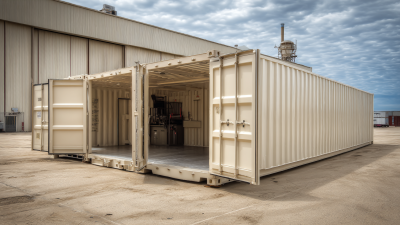
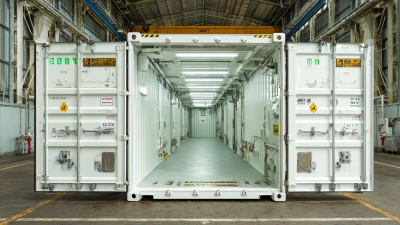
The ISO (International Organization for Standardization) containers come in several standard sizes, primarily 20-foot and 40-foot variations, but there are also specialized variants tailored for specific cargo types, such as refrigerated containers for perishables, open-top containers for oversized items, and tank containers for liquids.
The shipping container market is showing robust growth, projected to reach USD 12,645.5 million by 2031, reflecting a compound annual growth rate (CAGR) of 5.05% from 2024. This expansion is driven by the increasing demand for efficient and cost-effective logistics solutions worldwide.
The versatility of containers not only supports traditional freight needs but also fosters innovative uses, such as disaster relief shelters and mobile housing solutions, further highlighting their pivotal role in contemporary supply chain management.
Impact of Shipping Containers on Supply Chain Efficiency and Cost Savings
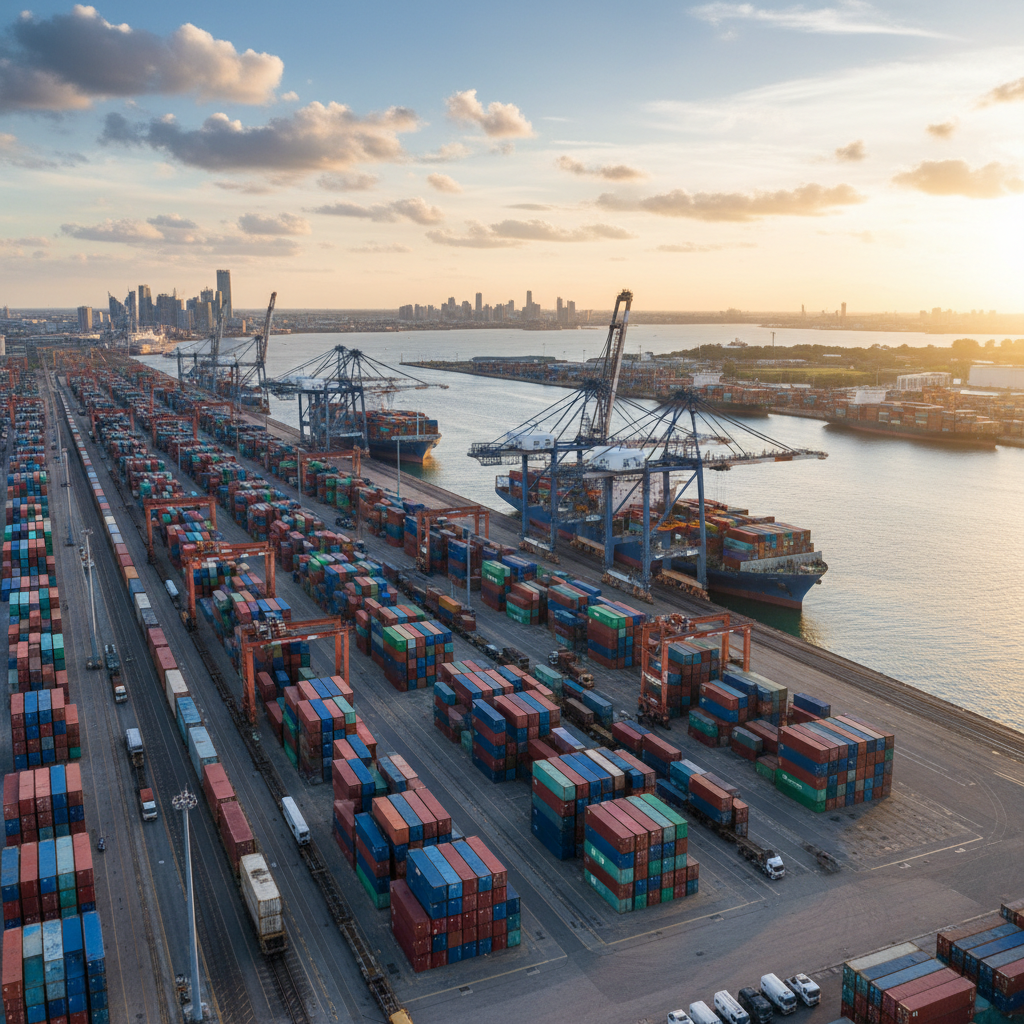
Shipping containers have revolutionized modern logistics by enhancing supply chain efficiency and enabling significant cost savings. The standardized design of shipping containers allows for easy handling, stacking, and transportation across various modes, including ships, trucks, and trains. This versatility minimizes loading and unloading times, thereby reducing labor costs and streamlining operations at ports and distribution centers. As a result, businesses can achieve faster delivery times, improving customer satisfaction and maintaining competitiveness in the global market.
Moreover, the widespread adoption of shipping containers has led to economies of scale in transportation. By allowing for bulk shipments, companies can ship larger quantities of goods at lower costs per unit. This reduction in transportation expenses is furthered by the optimization of routes and schedules made possible by advanced logistics technologies. As businesses increasingly utilize shipping containers, they not only enhance their own supply chain efficiencies but also contribute to a more interconnected global trade network, driving down prices for consumers and fostering economic growth.
Future Innovations in Shipping Container Design and Sustainability Practices
The shipping container has revolutionized modern logistics, but the future holds even more promise with innovations aimed at enhancing efficiency and sustainability. One notable trend is the development of eco-friendly materials and designs, which can significantly reduce waste and carbon footprints. For instance, containers made from recycled materials or designed to be easily dismantled and reused can play a critical role in sustainable logistics practices.
Tips: When considering shipping container solutions, look for providers that prioritize sustainability in their products. This not only contributes to environmental preservation but can also enhance your brand’s reputation.
Furthermore, technological advancements are set to transform how these containers are utilized. Smart shipping containers equipped with IoT sensors can monitor conditions in real-time, ensuring perishable goods remain at optimal temperatures and minimizing losses. These innovations lead to improved efficiency and better resource management across supply chains.
Tips: Incorporate technology into your logistics strategy by investing in smart container solutions. This approach can streamline operations and provide valuable data insights to optimize your supply chain.