What is a Sea Container and Why Is It Essential for Shipping Logistics
In the world of global trade and logistics, the concept of a "sea container" plays a pivotal role in facilitating the efficient movement of goods across the oceans. As shipping expert and logistics consultant Dr. Alice Harper remarks, “Sea containers have revolutionized the shipping industry, making it easier and more cost-effective to transport goods around the globe.” These standardized metal boxes are not just mere containers; they represent the backbone of international shipping, providing a reliable method for securing and transporting a plethora of products.
Sea containers have transformed the landscape of logistics by allowing for seamless transitions between various modes of transportation, including ships, trains, and trucks. Their design and uniformity have enabled greater efficiency in loading and unloading, minimizing delays and reducing the risk of damage during transit. With the growing complexities of global supply chains, understanding the significance of sea containers becomes increasingly essential for businesses aiming to optimize their logistics operations. Whether it's for transporting consumer goods, machinery, or raw materials, the sea container stands as a symbol of modern shipping practices that drive international commerce forward.
What is a Sea Container: Definition and Overview
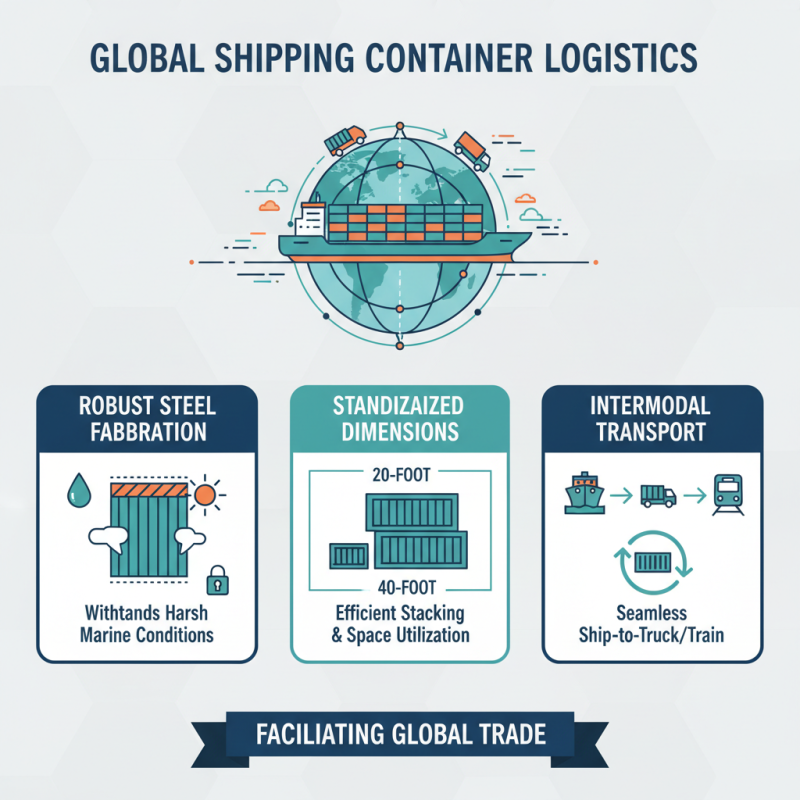
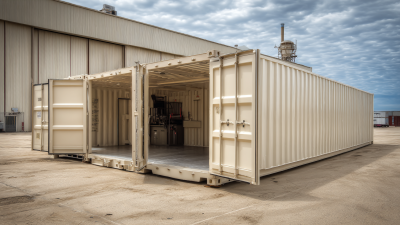
A sea container, commonly referred to as a shipping container, is a large standardized box used for the transport of goods by sea. Typically made from steel, these containers come in various sizes, with the 20-foot and 40-foot versions being the most prevalent. Their robust structure ensures that products are protected from the harsh marine environment, including saltwater, humidity, and extreme weather conditions. Designed for easy stacking and movement, sea containers are equipped with corner castings that allow cranes and forklifts to handle them efficiently, further streamlining the shipping process.
The significance of sea containers in shipping logistics cannot be overstated. They revolutionized the transport of goods, making it more efficient and cost-effective. By enabling easy transfer between different modes of transport—such as ships, trucks, and trains—sea containers facilitate global trade and supply chain management. Their standardized dimensions mean that shipping companies and ports can optimize space and reduce turnaround time significantly. Additionally, the ability to seal containers provides an added layer of security and reduces the risk of theft and tampering, ensuring that cargo reaches its destination safely and intact.
Sea Container Types and Their Proportions in Global Shipping
The Design and Structure of Sea Containers
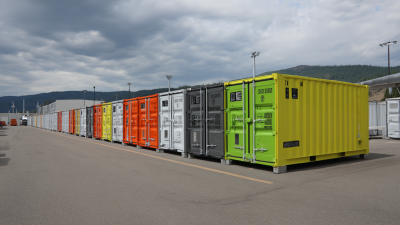
The design and structure of sea containers are pivotal in defining their utility in global shipping logistics. Typically fabricated from robust steel, these containers are engineered to withstand harsh marine conditions, ensuring the safety of goods during transit. Standardized dimensions, such as 20-foot and 40-foot variations, facilitate easy stacking and efficient space utilization on cargo ships, making loading and unloading processes smoother. This uniformity also enhances intermodal transport, allowing containers to seamlessly transition from ships to trucks or trains without the need for repackaging.
Furthermore, the structural integrity of sea containers includes features like airtight seals, secure locking mechanisms, and reinforced corners. These elements protect cargo from environmental factors such as moisture and contaminants, preserving the quality of the transported goods. The containers' ability to be easily customized with refrigeration units or specialized interiors broadens their application for different types of cargo, from perishables to industrial equipment. Overall, the thoughtful design and construction of sea containers play an essential role in optimizing shipping logistics, making them indispensable to modern trade.
The Role of Sea Containers in Shipping Logistics
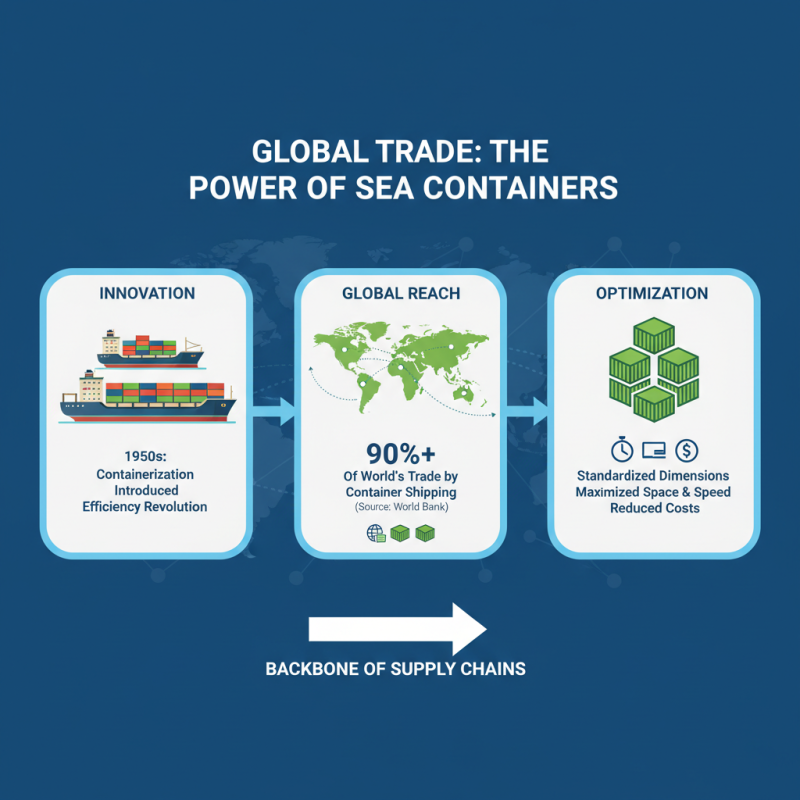
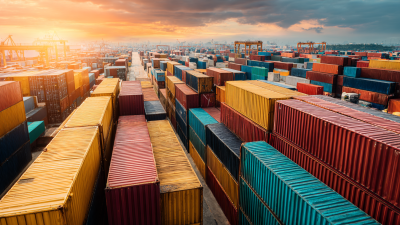
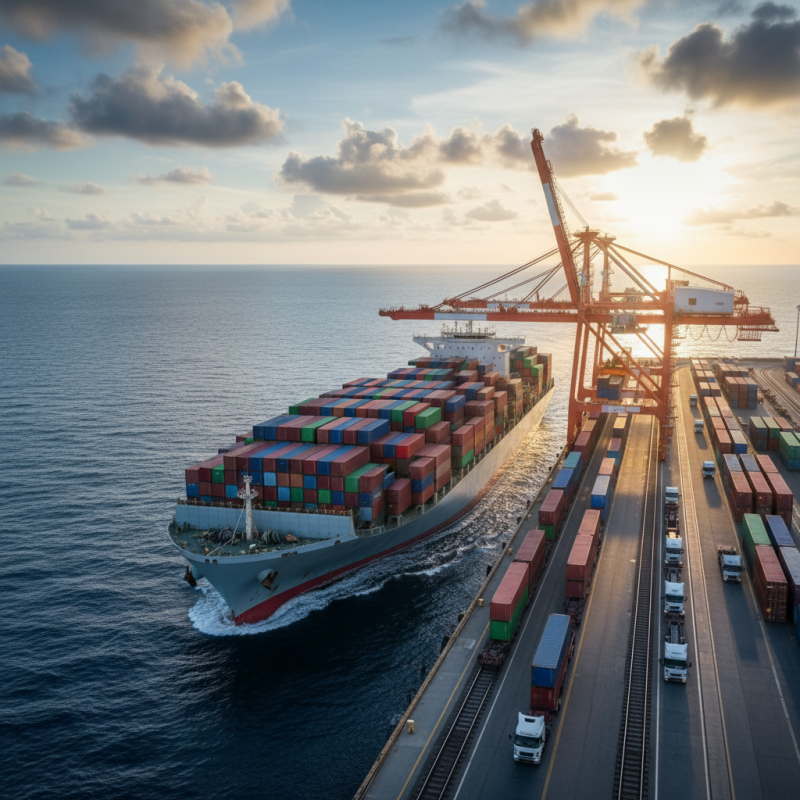
Sea containers play a pivotal role in the shipping logistics sector, serving as the backbone of global trade. Since the introduction of containerization in the 1950s, the efficiency of shipping logistics has transformed dramatically. According to a report by the World Bank, container shipping accounts for over 90% of the world's trade, highlighting the critical nature of these containers in supply chains. The standardized dimensions of sea containers allow for efficient stacking and storage, maximizing the use of space both on ships and in ports. This efficiency translates to reduced shipping times and lower transportation costs, making goods more accessible to markets worldwide.
Moreover, sea containers enhance the security and integrity of shipments. They are designed to withstand rough ocean conditions while providing protection against theft and damage. The International Maritime Organization cited that the use of secure containers has significantly lowered the incidence of cargo theft by up to 30% in recent years. Additionally, with the integration of tracking technologies, stakeholders can monitor their shipments in real-time, further optimizing logistics operations. This accountability is essential for maintaining supply chain reliability and meeting consumer demands in an increasingly globalized economy. As such, sea containers not only facilitate the movement of goods but also contribute to the overall resilience of shipping logistics.
Benefits of Using Sea Containers for Global Trade
Sea containers, often referred to as shipping containers, play a crucial role in modern shipping logistics, offering numerous benefits that enhance global trade efficiency. According to the World Trade Organization (WTO), around 90% of the world's trade is carried by sea, and containers are responsible for simplifying the transport process, reducing costs, and minimizing handling time. The standardized dimensions of these containers allow for seamless stacking and transfer between ships, trucks, and trains, facilitating a smooth intermodal transportation system.
Moreover, the use of sea containers significantly lowers shipping costs. A report by the International Maritime Organization (IMO) indicates that the cost of shipping goods in containers is substantially less than traditional methods, making it more accessible for businesses to engage in international trade. Not only do containers safeguard cargo against weather and damage, but they also optimize cargo space, allowing for an increase in the volume of goods transported per journey. This efficiency has driven the containerization rate to exceed 70% of global maritime shipments, highlighting its importance in achieving economies of scale in global supply chains.
In addition to cost savings, sea containers also contribute to sustainability efforts in logistics. The adoption of containers reduces the carbon footprint per unit of freight transported because they enable more goods to be shipped in fewer trips. According to a report from the Global Maritime Forum, adopting eco-friendly handling practices with containerized shipping could reduce CO2 emissions by up to 20% over the next decade. This alignment with sustainability goals not only enhances the reputation of businesses engaging in global trade but also meets the increasing consumer demand for environmentally responsible practices.
Challenges and Innovations in Sea Container Shipping
The realm of sea container shipping faces a myriad of challenges, primarily rooted in the increasing complexity of global trade, fluctuating fuel prices, and evolving environmental regulations. One of the significant issues is port congestion, which has been exacerbated by the rise of mega-ships that require extensive docking facilities. This congestion leads to delays in loading and unloading containers, impacting delivery schedules and increasing shipping costs. Additionally, inefficient tracking and management of containers can result in misplaced or underutilized assets, further complicating logistical operations.
In response to these challenges, the shipping industry is witnessing innovative solutions aimed at enhancing efficiency and sustainability. The adoption of advanced technology, such as the Internet of Things (IoT) and artificial intelligence (AI), has revolutionized container tracking and fleet management, allowing real-time visibility and better resource allocation. Furthermore, the push for greener practices is prompting the development of eco-friendly containers and alternative fuels, helping to minimize the carbon footprint associated with sea transport. These innovations not only address practical challenges but also position sea container shipping as a forward-looking sector ready to adapt to an ever-changing global landscape.