
en es

What is a Puree Pouch Filling Machine and How Does It Work?

A Puree Pouch Filling Machine is essential in the food packaging industry. This machine streamlines the process of filling pouches with various pureed products. Its design is crafted for efficiency, accuracy, and hygiene, making it a vital tool for manufacturers.

Using a Puree Pouch Filling Machine not only saves time but also minimizes waste. This is crucial in maintaining an eco-friendly operation. Accuracy in filling means fewer mistakes and less product loss. However, mastering this equipment can be tricky. Operators need training to ensure quality and avoid common pitfalls.

The technology behind a Puree Pouch Filling Machine is sophisticated yet user-friendly. Automated features improve consistency and speed. Still, occasional malfunctions can occur. Understanding these machines requires ongoing attention and adaptability to different puree types. This balance between technology and hands-on experience is key in optimizing production.
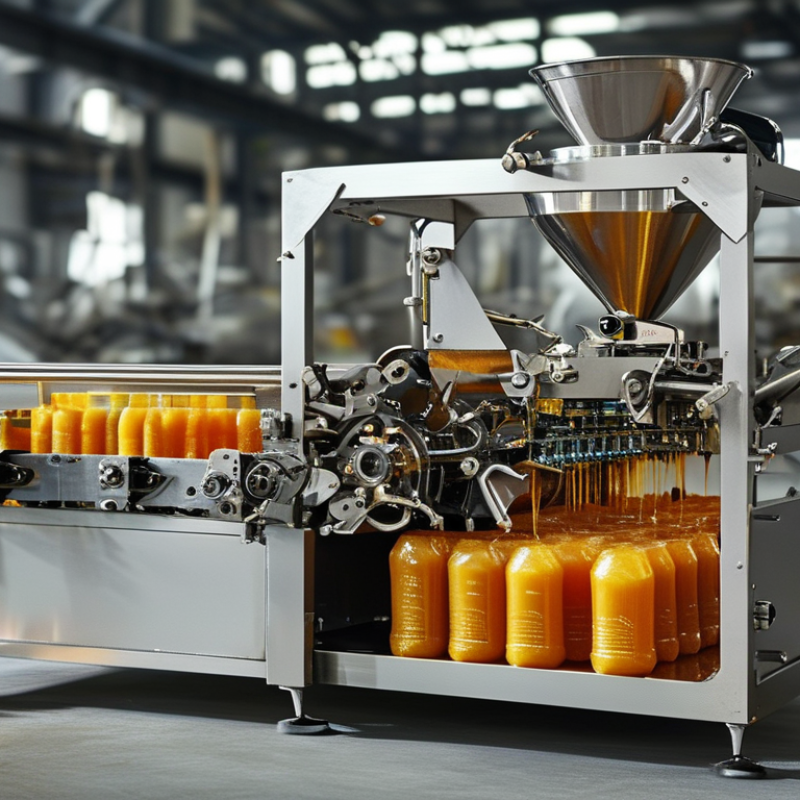
What is a Puree Pouch Filling Machine and How Does It Work?

What is a Puree Pouch Filling Machine?

A puree pouch filling machine is a specialized device designed for packaging pureed food products into flexible pouches. This machine automates the filling process, ensuring efficiency and consistency. It can handle various textures, from smooth to chunky purees. Many industries, such as baby food, sauces, and different beverages, utilize this technology.

The machine operates through a series of steps. First, it draws the puree from a hopper or storage tank. Then, it dispenses the puree into pouches, using precision to prevent spillage. After filling, the pouches are usually sealed, ensuring durability and freshness. Optimal settings are essential to accommodate different product consistencies.

Tips to consider include ensuring the puree is at the right viscosity for smooth filling. If too thick, it can clog the machine; too thin, it may spill over. Regular cleaning and maintenance also enhance the machine's longevity and performance. Another point is to test various pouch designs for the best fit and seal quality, as not all pouches are created equal. Monitoring these factors helps in achieving optimal results, but adjustments may be necessary based on production demands.

Puree Pouch Filling Machine - Performance Analysis

Key Components of a Puree Pouch Filling Machine

A puree pouch filling machine plays a crucial role in food processing. This machine is designed to fill pouches with a variety of pureed foods, such as fruits, vegetables, and sauces. Understanding its key components enhances its effectiveness.

The main components include an auger filler, a pouch holder, and a sealing system. The auger filler moves the puree from a hopper into the pouch. This component allows for precise portion control, which is essential for consistent product quality. The pouch holder stabilizes the pouch during filling. Lastly, a reliable sealing system ensures that pouches are securely closed, preventing leaks. According to industry studies, 80% of consumers prefer products with proper sealing due to freshness concerns.

For optimal performance, regular maintenance is essential. Cleaning the machine after each use is crucial to avoid contamination. Operators should also periodically check the seals for effectiveness. Understandably, users sometimes overlook these practices, leading to potential quality issues. It is essential to review the machine’s manuals regularly to ensure compliance with best practices and maintain operational reliability.

How Puree Pouch Filling Machines Operate: A Step-by-Step Guide

Puree pouch filling machines are essential for food processing. They streamline the packaging of pureed foods into pouches, ensuring freshness and convenience. The operation of these machines involves several critical steps that enhance efficiency.

Initially, the machine draws in the puree via a hopper. This is where quality checks begin. Operators must monitor the consistency and viscosity to maintain product standards. Once the puree is ready, it moves through a series of tubes to the filling station. Here, precise measurements ensure each pouch receives the same amount. This consistency is vital for consumer trust and brand reputation.

After filling, seals are formed to prevent leaks. This part of the process must be accurate. If seals fail, it can lead to spoilage. Operators must regularly inspect the seals for integrity. Finally, the pouches pass through a labeling process, ready for distribution. Each step in this process is crucial and requires close attention. As with any machinery, occasional adjustments may be needed to maintain optimal performance. Regular training for operators helps in overcoming common challenges faced during operation.

Industry Standards and Efficiency in Puree Pouch Filling Processes

When it comes to puree pouch filling, industry standards focus on accuracy and efficiency. A puree pouch filling machine is designed to fill pouches with smooth and consistent products like sauces and baby food. These machines must adhere to specific regulations to ensure food safety. There are stringent hygiene requirements the machinery must meet, especially in food production environments.

Efficiency is crucial in the puree filling process. Ideally, machines should minimize waste and ensure high-speed filling. Yet, this can be challenging. Pouch designs and product viscosity can vary greatly, impacting the filling accuracy. Regular testing and calibration are necessary to maintain quality. Small discrepancies in filling can lead to significant losses in production.

Training operators is another critical aspect. They must understand machine functions and troubleshooting steps. Often, they face issues like clogging or incorrect measurements. Continuous improvement efforts can enhance productivity. However, there’s always room for adjustment and learning in this fast-paced industry. Balancing efficiency with attention to detail remains a persistent yet rewarding challenge.

Benefits of Using Puree Pouch Filling Machines in Food Production

Puree pouch filling machines have become vital in modern food production. They streamline the packing process, offering high efficiency. These machines ensure precise measurements, reducing waste and ensuring consistency in each pouch. They cater to a variety of purees, from fruits to vegetables, making them versatile for manufacturers.

The benefits of using these machines are significant. First, they enhance productivity by automating the filling process. This reduces the need for manual labor and minimizes human error. The automation leads to faster production cycles, allowing companies to meet higher demand without compromising quality. Additionally, purees are often heat-treated before packing, extending shelf life. This ensures that consumers receive fresh products, while manufacturers maximize their output.

However, there are challenges. Initial setup costs can be high, and proper training is essential for operators. This can be a barrier for smaller producers. Regular maintenance is also necessary to avoid downtime. Striking a balance between efficiency and cost-effectiveness is crucial for companies looking to invest in this technology.

Get a quote
Open chat
1
Hi! How can we help you?
Chat with Pelican Containers