
Local Exhaust Ventilation (LEV) plays a crucial role in maintaining workplace safety. According to Dr. Emily Carter, an expert in industrial hygiene, "Effective local exhaust ventilation can significantly reduce exposure to harmful airborne contaminants." LEV systems capture pollutants at their source, preventing them from dispersing into the air. This method not only protects workers but also enhances overall air quality in industrial settings.
In various industries, the importance of Local Exhaust Ventilation cannot be overstated. Poorly ventilated spaces can lead to chronic health issues for employees. Even simple tasks, like using chemicals, require effective LEV to minimize risks. Yet, many workplaces still overlook this critical control measure, highlighting a gap in safety practices.
Understanding LEV is essential, but implementation can be challenging. Factors such as system design and maintenance require attention. Companies must invest in training and resources. Without this commitment, the potential benefits of Local Exhaust Ventilation may go unrealized. Safe workplaces foster a healthier workforce. Emphasizing LEV today can lead to a safer tomorrow.
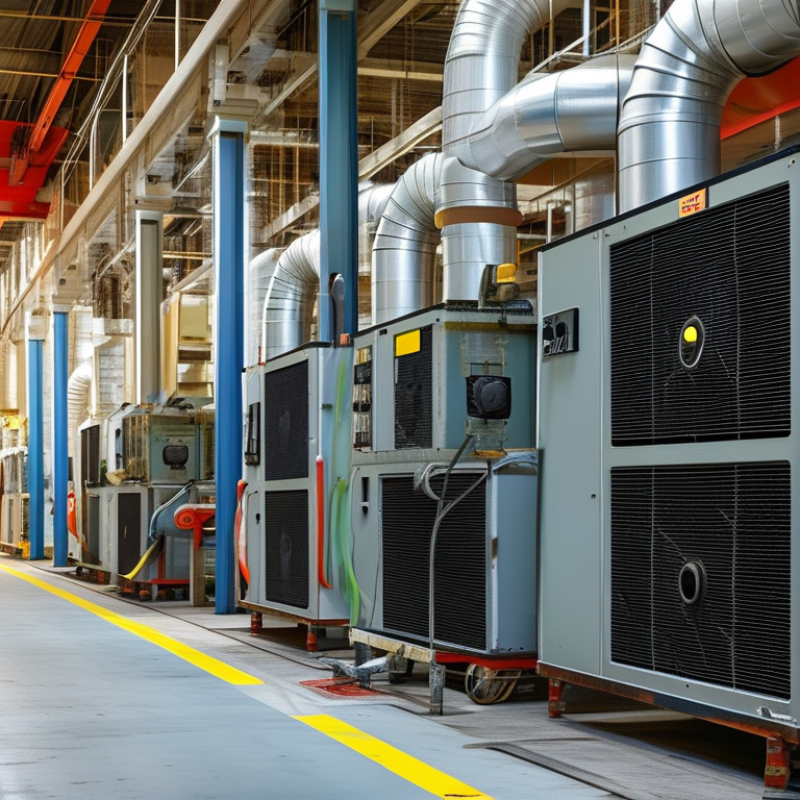
Local Exhaust Ventilation (LEV) is a critical safety measure in various industrial settings. It helps control airborne contaminants that workers might inhale. By capturing harmful substances right at the source, LEV systems improve air quality significantly. They function by drawing pollutants into a hood, where they can be filtered or exhausted outside. This is particularly important in environments where chemicals, dust, or fumes are present.
In terms of implementation, LEV systems require careful design and placement. The effectiveness depends on air flow, hood size, and the type of contaminants generated. Many companies fail to recognize the importance of properly maintaining these systems. Regular inspections and adjustments can enhance safety and compliance with health standards. However, some workplaces overlook these responsibilities, leading to potential hazards.
Employees should be trained to understand how LEV works and its benefits. Some may view it as an inconvenience, but awareness is crucial. This knowledge empowers workers to engage with their safety measures actively. Poor air quality can diminish productivity and lead to long-term health issues. Addressing these concerns with a robust LEV system is not just optional; it is essential for maintaining a safe work environment.
Local Exhaust Ventilation (LEV) systems play a vital role in industrial safety. These systems capture and remove airborne contaminants. They protect workers from inhaling hazardous substances. When implemented correctly, they reduce the risk of respiratory diseases. Yet, many workplaces overlook their maintenance. Regular checks can ensure effectiveness and compliance with health standards.
Key components of LEV systems include hoods, ducts, fans, and filters. Hoods are designed to capture pollutants at the source. The design must match the type of contaminant. Ducts deliver captured air to a filtration system. Proper duct sizing is critical for efficiency. Fans create the necessary airflow. Their power and placement influence overall performance.
Filters play a crucial role in maintaining air quality. They trap harmful particles before releasing air back into the environment. However, filters can become clogged. This can lead to decreased performance and increased risks. Regular monitoring of filter conditions is essential. In many cases, workers may not notice when the system fails. Increasing awareness and education about LEV systems can foster a safer working environment.
Local Exhaust Ventilation (LEV) systems play a crucial role in maintaining workplace safety. These systems effectively capture hazardous substances at their source, minimizing worker exposure. According to the Occupational Safety and Health Administration (OSHA), nearly 2.8 million workers are affected by harmful exposures annually. LEV helps mitigate risks associated with airborne contaminants like dust, fumes, and vapors, which can lead to respiratory diseases.
Workers in industries such as manufacturing and construction face significant health risks. The American Industrial Hygiene Association (AIHA) provides data showing that effective LEV systems can reduce airborne contaminants by up to 90%. However, it’s essential to regularly maintain and assess the effectiveness of these systems. Neglecting LEV systems can result in a gradual decline in performance, exposing workers to preventable risks.
Consider how often you check your LEV system performance. Conduct routine inspections and airflow tests. Simple adjustments can significantly enhance effectiveness. Educating workers on using LEV properly promotes a culture of safety. Even small changes can lead to substantial improvements in air quality and overall health. Always stay informed and proactive in ventilation management to ensure the well-being of all employees.
| Dimension | Data |
|---|---|
| Typical Applications | Welding, Chemical Fume Extraction, Dust Control |
| Key Benefits | Improved Air Quality, Reduced Respiratory Diseases, Compliance with Regulations |
| Common Components | Hoods, Ducts, Fans, Filters |
| Factors to Consider | Type of Contaminants, Airflow Requirements, Workplace Layout |
| Regulatory Standards | OSHA, NIOSH, ACGIH Guidelines |
Local Exhaust Ventilation (LEV) systems are essential in controlling harmful airborne contaminants. Regulatory standards guide their implementation to ensure workplace safety. Organizations must adhere to guidelines from health and safety agencies. This includes regular assessments and adjustments to systems based on changing workplace conditions.
Effective LEV implementation starts with understanding exposure levels. Employers need to identify hazardous substances and their concentrations. Regular monitoring is advised to ensure compliance with standards. People sometimes overlook the importance of training staff on LEV usage. Knowledgeable workers can maintain these systems effectively.
Ventilation systems must be tailored to specific tasks. Generic solutions may not suffice for all environments. Employers should conduct risk assessments to identify potential inadequacies. Continuous improvement is crucial. Revisiting protocols and adapting to new regulations ensures safety remains a priority. Regular feedback from staff can highlight overlooked areas for improvement.
Local Exhaust Ventilation (LEV) systems play a crucial role in maintaining air quality in workplaces. Numerous case studies highlight their positive impact on employee wellbeing. For instance, in a manufacturing facility, the implementation of LEV dramatically reduced airborne contaminants. Workers reported fewer respiratory issues and an overall improvement in health. This type of ventilation effectively captures harmful dust, fumes, and vapors at their source, preventing them from spreading throughout the workspace.
Another case involved a laboratory setting. Researchers noted how LEV systems improved focus and productivity. With less exposure to hazardous substances, employees felt safer. They were able to work longer hours without experiencing fatigue. Some staff members even expressed a renewed enthusiasm for their job. However, challenges remain. Maintenance of these systems can be costly and time-consuming. It is essential to regularly inspect and clean LEV systems for optimal performance. This highlights the need for continuous investment in workplace safety.
In industries where air quality is paramount, LEV's benefits are clear. The connection between cleaner air and improved employee morale is undeniable. Yet, continuous effort and resource allocation are necessary to sustain these improvements. Organizations must be proactive, adapting their systems as needed to uphold high standards of air quality.
If for some reason you did not find the service or product you need, you can always leave a request for a free consultation and get an answer.