
Indoor air quality (IAQ) significantly impacts our health and well-being. Many people spend over 90% of their time indoors. This makes it crucial to ensure the air we breathe is clean and safe. One effective approach is using Treated Fresh Air. This method helps to filter and purify outdoor air, enhancing the indoor environment.
Treated Fresh Air systems work by capturing outdoor air and filtering out pollutants, allergens, and other toxins. They maintain optimal humidity levels and reduce harmful substances. These systems can significantly lower the levels of indoor air pollutants, such as dust and smoke. However, not all systems perform equally well. It’s essential to choose quality products from reliable manufacturers.
While Treated Fresh Air can improve IAQ, it requires regular maintenance and monitoring. Some users might overlook this aspect, leading to reduced efficiency. Additionally, the cost of installation can be a barrier. Overall, the benefits of clean indoor air through Treated Fresh Air are worth considering for healthier living spaces.
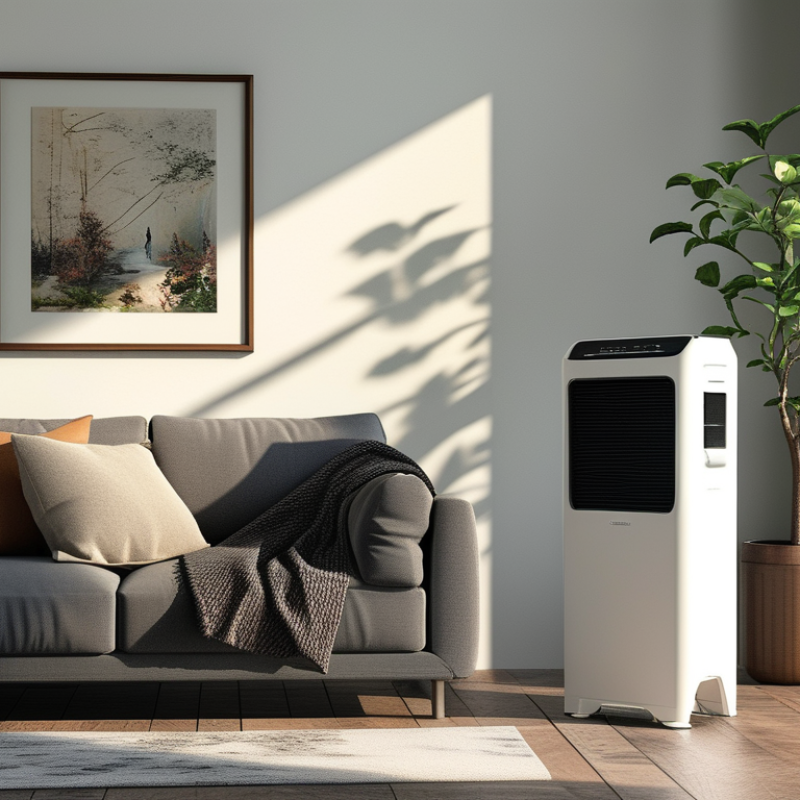
Indoor air quality (IAQ) plays a crucial role in our overall health. Poor air quality contributes to respiratory issues, allergies, and fatigue. According to the Environmental Protection Agency (EPA), indoor air can be two to five times more polluted than outdoor air. This stark difference shows the need for attention to how we manage our indoor environments.
Understanding IAQ involves recognizing the importance of ventilating spaces with treated fresh air. Studies indicate that improved ventilation can reduce airborne pollutants by up to 50%. Effective air exchange also minimizes the concentration of volatile organic compounds (VOCs), which can lead to serious health risks over time. Yet, many buildings are still inadequately ventilated, contributing to long-term health issues among occupants.
Many indoor spaces now utilize air quality monitors to detect pollutants. This technology provides real-time data about CO2 levels, humidity, and particulates. However, implementing solutions is not always straightforward. Some systems may require significant investment or maintenance. Each indoor environment is unique, demanding a tailored approach. Understanding these complexities allows for better decision-making in enhancing indoor air quality.
Fresh air can drastically improve the quality of indoor environments. Treated fresh air systems filter and condition outdoor air before it enters buildings. This process removes pollutants, allergens, and excess humidity. The result is cleaner air, which benefits our health and comfort.
Implementing treated fresh air systems requires careful planning. There are variables to consider, like local climate and building design. Not every system is perfect for every scenario. Often, these systems must be adjusted after installation. Regular maintenance is key to ensuring they operate effectively. Without proper care, air quality can suffer.
It's also important to monitor indoor air quality regularly. Sometimes, a fresh air system may not capture all contaminants. Homeowners and businesses need to remain vigilant. Indoor plants can help bridge this gap by naturally filtering air. While treated fresh air is a significant step, it may not be the complete solution.
Air quality in homes and offices greatly affects health. Implementing treated fresh air systems is a practical way to enhance it. These systems focus on filtering and conditioning outdoor air before it enters indoor spaces. By doing so, they reduce pollutants, allergens, and humidity.
One effective method involves using high-efficiency particulate air (HEPA) filters. They capture tiny airborne particles, improving indoor air cleanliness. Combining this with advanced ventilation techniques can significantly decrease indoor air pollutants. Additionally, regular maintenance of these systems is essential. Neglect can lead to reduced efficiency and air quality issues.
Another approach is controlling the indoor humidity levels. Treated fresh air systems can include dehumidifiers. They help prevent mold growth and dust mites. However, achieving the right balance is critical. Too much humidity can cause discomfort, while too little may lead to dry skin and respiratory issues. It's important to monitor and adjust these settings accordingly. Implementing these methods thoughtfully can significantly improve indoor air quality.
| Method | Description | Benefits | Considerations |
|---|---|---|---|
| Dedicated Outdoor Air Systems (DOAS) | These systems bring in fresh outdoor air and condition it before distributing it indoors. | Improved humidity control, enhanced air circulation, and reduced indoor pollutants. | Requires careful design to optimize performance and energy efficiency. |
| Heat Recovery Ventilation (HRV) | Transfers heat from outgoing stale air to incoming fresh air, minimizing energy loss. | Energy savings on heating/cooling, improved indoor air quality. | Maintenance of filters and cores is essential for effective operation. |
| Air Quality Sensors | Monitor indoor air quality and adjust fresh air intake based on real-time data. | Dynamic control of air quality, responsive to changing indoor environments. | Initial investment in technology; regular calibration may be needed. |
| Filtration Systems | Enhance existing HVAC systems with high-efficiency filters that capture pollutants. | Reduces allergens, dust, and particulate matter in the indoor air. | Regular filter changes and upgrades may be required for optimal performance. |
| Natural Ventilation | Utilizes windows, vents, and air pathways to allow fresh air to circulate naturally. | Energy efficient, low-cost solution with increased occupant comfort. | Weather dependent; may not be suitable for urban areas with high pollution. |
Treated fresh air plays a vital role in enhancing indoor air quality. Many studies indicate that poor indoor air quality leads to health issues, including respiratory problems and decreased cognitive function. According to the World Health Organization, around 4.3 million people die prematurely from indoor air pollution each year. Introducing treated fresh air can mitigate these risks significantly.
In both residential and commercial spaces, the benefits of treated fresh air are profound. It helps to dilute indoor pollutants. For example, volatile organic compounds (VOCs) from paints and cleaning products often accumulate indoors. Research shows that continuous ventilation with treated fresh air reduces VOC levels by up to 90%. Increased fresh air circulation can also improve energy levels and productivity. People in well-ventilated environments often report better focus and fewer sick days, potentially leading to over 20% higher productivity, according to studies by environmental health researchers.
However, it's essential to ensure the treatment systems are well-maintained. Poorly maintained ventilations can introduce new pollutants. Regular inspections and filter changes are crucial. Neglect can result in an influx of allergens, negating the original benefits. Organizations must prioritize air quality, balancing the need for fresh air with system reliability.
Maintaining effective air treatment systems is critical for improving indoor air quality. Regular inspection is essential. Filters should be changed at least every 3 months. According to the American Society of Heating, Refrigerating and Air-Conditioning Engineers (ASHRAE), dirty filters can reduce airflow by up to 15%. This can strain your system and increase energy costs.
Additionally, the ductwork should be cleaned periodically. Dust and debris can accumulate and reduce the efficiency of the air treatment. The Environmental Protection Agency (EPA) notes that indoor air can be 2 to 5 times more polluted than outdoor air. Cleaning ducts can significantly improve air flow and quality.
Humidity levels play a key role too. Ideally, indoor humidity should be maintained between 30% and 50%. Too much moisture can promote mold growth, while too little can lead to discomfort and respiratory issues. Using dehumidifiers or humidifiers necessitates regular monitoring to maintain balance. This can be challenging, but it’s crucial for a healthier indoor environment.
If for some reason you did not find the service or product you need, you can always leave a request for a free consultation and get an answer.