
Selecting a drilling rig is a practical decision, not just a search for the lowest advertised price. Ground conditions, bore diameter, required reach, and available job-site space all affect which machine makes sense. A rig that performs well on a compact utility project may be poorly suited to a long crossing or difficult soil. Small details matter. Hose access, control layout, transport dimensions, and routine service needs can shape daily productivity.
This guide to the 7 Best Horizontal Drilling Rigs for Sale in 2026 compares options through the features buyers should examine: drilling capacity, power, steering systems, operator comfort, and maintenance access. Horizontal Drilling Rigs vary widely, so stated specifications should be checked against manufacturer documentation and current dealer information. Availability, configuration, and pricing can change by region and over time. There is no universal winner. A larger machine may offer useful capacity, but it can also bring higher transport and operating demands. The comparisons ahead are intended to help contractors and equipment buyers narrow their choices, not replace a site assessment or a conversation with a qualified dealer. One caveat is worth keeping in mind: published specifications rarely show how a machine will feel after a full shift in real ground conditions. That judgment takes experience, and sometimes the first shortlist needs revising.
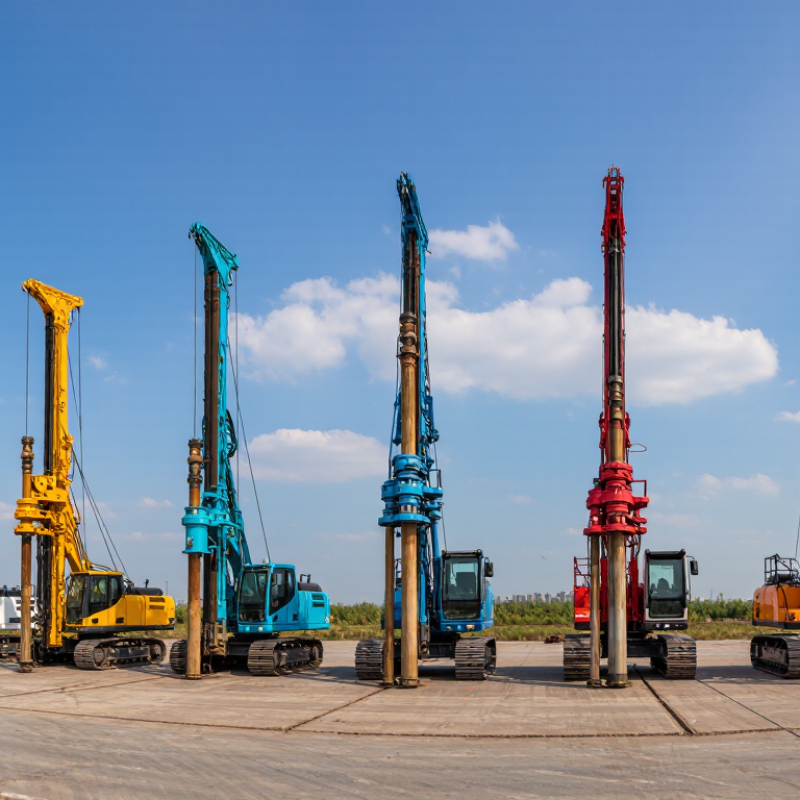
A horizontal drilling rig creates a bore that turns from vertical to nearly level beneath the ground. In trenchless work, crews guide a pilot bit along a planned route, often using a locating system to check its depth and direction. Drilling fluid carries cuttings back to the entry pit and helps cool the bit. After the pilot bore reaches its exit point, the crew may enlarge it with reamers before pulling a pipe through. The ground has a vote, too. A route that looks tidy on a drawing can shift around rock, soil changes, or buried obstacles.
In oil and gas operations, directional rigs steer a well through a curved section and then along a horizontal reservoir layer. Downhole measurements help the crew adjust the tool’s path while monitoring pressure and drilling conditions. Horizontal wells can expose more of the wellbore to a targeted formation. Utility and pipeline crews use horizontal directional drilling to cross beneath roads, waterways, and landscaped areas with less surface disruption than open trenching. The methods share steering principles, but their equipment and operating demands differ.
Tips: Check the planned bore length, ground conditions, access space, and required pipe diameter before choosing rig capacity. Confirm that locating equipment suits the site. Keep a careful record of readings; small deviations matter. Even good planning misses things. A site assessment can reduce surprises, not remove them.
Compare thrust, pullback force, and torque against the ground conditions and pipe sizes you expect to handle. A rig that looks powerful on paper may be poorly matched to a compact urban site. Check the machine’s dimensions, weight, and turning space, too. Small details matter. Look for clear controls, reachable service points, and accessible filters; these affect daily work and routine maintenance. Ask for operating data under realistic conditions, not just peak figures.
The locating system deserves equal attention. Confirm its depth range, accuracy, and compatibility with the intended tracking equipment. Review fluid capacity and mixing options for the soil type, since changing ground can quickly alter drilling performance. Check parts availability, warranty terms, and operator training with the seller. These details can be hard to compare, but they shape downtime and ownership costs. One honest caveat: published specifications rarely predict every jobsite surprise.
Seven horizontal drilling rigs to consider for sale in 2026 include compact urban models, utility-class rigs, and high-torque rock rigs. Compact machines fit narrow streets and tight work zones. Utility rigs handle common water, power, and communications projects. Rock-focused rigs offer stronger torque for difficult ground. Long-reach models suit crossings that need extended bore distances. Tracked all-terrain rigs manage uneven access routes. Trailer-mounted rigs can simplify transport between sites. Refurbished rigs may lower upfront costs, but condition varies.
Compare more than advertised pulling force. Check torque, bore length, drill-pipe compatibility, fluid-system capacity, and machine footprint against your project plan. Ask for maintenance records and inspect wear on the tracks, clamps, and hydraulic connections. Confirm that local service and replacement parts are realistically available. A perfect match on paper can still feel wrong on a crowded site. I would leave room for that uncertainty.
Tips: Request a demonstration in ground conditions similar to your job. Review the inspection findings with a qualified technician, and price transport, setup, and routine maintenance before committing. Recheck every specification against the actual work scope.
Representative HDD rig pullback capacities, shown in thousands of pounds-force (klbf).
These figures are illustrative reference points for common HDD rig capacity classes, not specifications for particular machines or listings. Actual rated capacity and suitable job size vary by model, tooling, and ground conditions; verify manufacturer specifications before purchasing.
Horizontal drilling rigs can look similar in a sales listing, yet their working limits differ sharply. A compact rig suits short service connections and tight residential streets. It can be transported on a smaller trailer and needs less setup space. Larger rigs provide greater pullback force for longer bores, heavier pipe, or difficult ground. They also demand more room, support equipment, and transport planning.
Mobility changes the job’s real cost. A self-contained rig may move quickly between sites, while a heavier unit can require a separate carrier and extra crew. Check turning clearance, track pressure, fluid capacity, and setup time—not just the machine’s listed weight. Small details matter. A narrow access road can make a high-capacity rig impractical, even when its specifications look impressive.
Purchase price is only one part of the comparison. Ask for service records, wear-part costs, available training, and local repair support. Then match rated thrust and torque to the soil, bore length, and product pipe you expect to handle. A budget machine may fit occasional, straightforward work; frequent projects may justify higher capacity and stronger support. Still, estimates depend on ground conditions. A neat comparison chart cannot replace a site assessment.
| Rig Category | Typical Pullback Capacity | Typical Rotary Torque | Best-Fit Work | Mobility and Setup | Indicative New-Equipment Budget (USD) |
|---|---|---|---|---|---|
| 1. Compact utility rig Small projects | 10–25 kN (2,250–5,600 lbf) | 1–4 kN·m (740–2,950 lbf·ft) | Short service connections, landscaping, and small-diameter utility installations in suitable ground. | Highly maneuverable; commonly suited to tight residential sites and smaller access routes. | $40,000–$120,000 |
| 2. Light-duty utility rig Residential work | 25–45 kN (5,600–10,100 lbf) | 3–8 kN·m (2,200–5,900 lbf·ft) | Residential water, gas, power, and communications work with moderate bore lengths. | Often truck-, trailer-, or compact-track-mounted; easier to transport than larger rigs. | $100,000–$250,000 |
| 3. Mid-size utility rig General-purpose | 45–90 kN (10,100–20,200 lbf) | 7–18 kN·m (5,200–13,300 lbf·ft) | Municipal utilities and contractor work requiring a balance of pullback, torque, and job-site flexibility. | Typically transported by truck or trailer; needs more working room and a prepared setup area. | $220,000–$500,000 |
| 4. Medium-heavy rig Longer installations | 90–180 kN (20,200–40,500 lbf) | 15–35 kN·m (11,100–25,800 lbf·ft) | Longer utility crossings and larger-diameter installations, subject to ground conditions and tooling. | Usually truck- or trailer-transported; requires more staging space and support equipment. | $450,000–$900,000 |
| 5. Heavy-duty rig Major utility work | 180–350 kN (40,500–78,700 lbf) | 30–65 kN·m (22,100–47,900 lbf·ft) | Large utility installations and demanding crossings where high pulling force and torque are needed. | Low site mobility; transport, access planning, and a substantial work area are typically required. | $800,000–$1,600,000 |
| 6. High-capacity rig Large crossings | 350–700 kN (78,700–157,400 lbf) | 60–130 kN·m (44,300–95,900 lbf·ft) | Large-diameter pipeline and infrastructure projects requiring engineered drilling plans and support systems. | Low mobility between sites; typically needs heavy-haul transport, specialized setup, and a large footprint. | $1,500,000–$3,000,000 |
| 7. Large-project rig Specialized projects | 700–1,500+ kN (157,400–337,200+ lbf) | 120–250+ kN·m (88,500–184,400+ lbf·ft) | Very large or technically demanding crossings planned around project-specific geology, tooling, and installation requirements. | Very low mobility; requires heavy transport, extensive site preparation, and coordinated support equipment. | $3,000,000–$6,000,000+ |
Planning note: Capacity bands and 2026 budget figures are broad, non-brand-specific estimates for comparison—not equipment specifications or sales quotes. Actual prices vary with configuration, power system, tooling, support equipment, condition, freight, and region. Achievable bore length and diameter depend on ground conditions, drilling-fluid management, tooling, and project design; pullback capacity alone does not determine them.
Choosing among horizontal drilling rigs starts with ground conditions and route demands, not advertised pullback numbers. A short utility crossing through mixed clay and gravel may require a different setup from a long bore beneath a road. Check bore length, diameter, entry angle, and locating conditions. Small details matter.
Compare machine capacity with the toughest credible section, while avoiding oversized equipment that adds transport and operating costs. Ask for documented thrust and pullback ratings, fluid-pump output, rod condition, and service records. Inspect wear on the carriage, clamps, and tracks; fresh paint tells little. If possible, watch the rig work under load, not just idle in a yard. It’s worth slowing down.
Ownership needs also shape the decision. A contractor with steady, varied work may value adaptable tooling and nearby parts support. For occasional projects, rental or a lower-cost used unit may protect cash flow, though limited availability and downtime can erode savings. Confirm crew training, trailer capacity, and maintenance access before purchasing. A spreadsheet helps, but it can miss awkward realities: one delayed repair may disrupt a tightly scheduled crew. Price the support plan alongside the rig, and consider the projects you can realistically secure—not only the largest job you hope to win.
If for some reason you did not find the service or product you need, you can always leave a request for a free consultation and get an answer.