The Ultimate Guide to Choosing the Right High Cube Shipping Container for Your Needs
When it comes to shipping and storage solutions, the choice of container can significantly impact efficiency and cost-effectiveness. Among the various options available, the high cube shipping container has emerged as a preferred choice for many businesses and individuals seeking extra space without compromising on durability. This specialized container, with its increased height and spacious interior, is ideal for transporting larger volumes of goods or for use in static storage applications. However, selecting the right high cube shipping container involves more than just recognizing its dimensions; it requires an understanding of specific needs, including cargo type, transport logistics, and site constraints. In this ultimate guide, we will explore the key factors to consider when choosing the right high cube shipping container for your specific requirements, ensuring you make an informed and strategic decision that aligns with your operational goals.
Understanding High Cube Shipping Containers: Key Features and Specifications
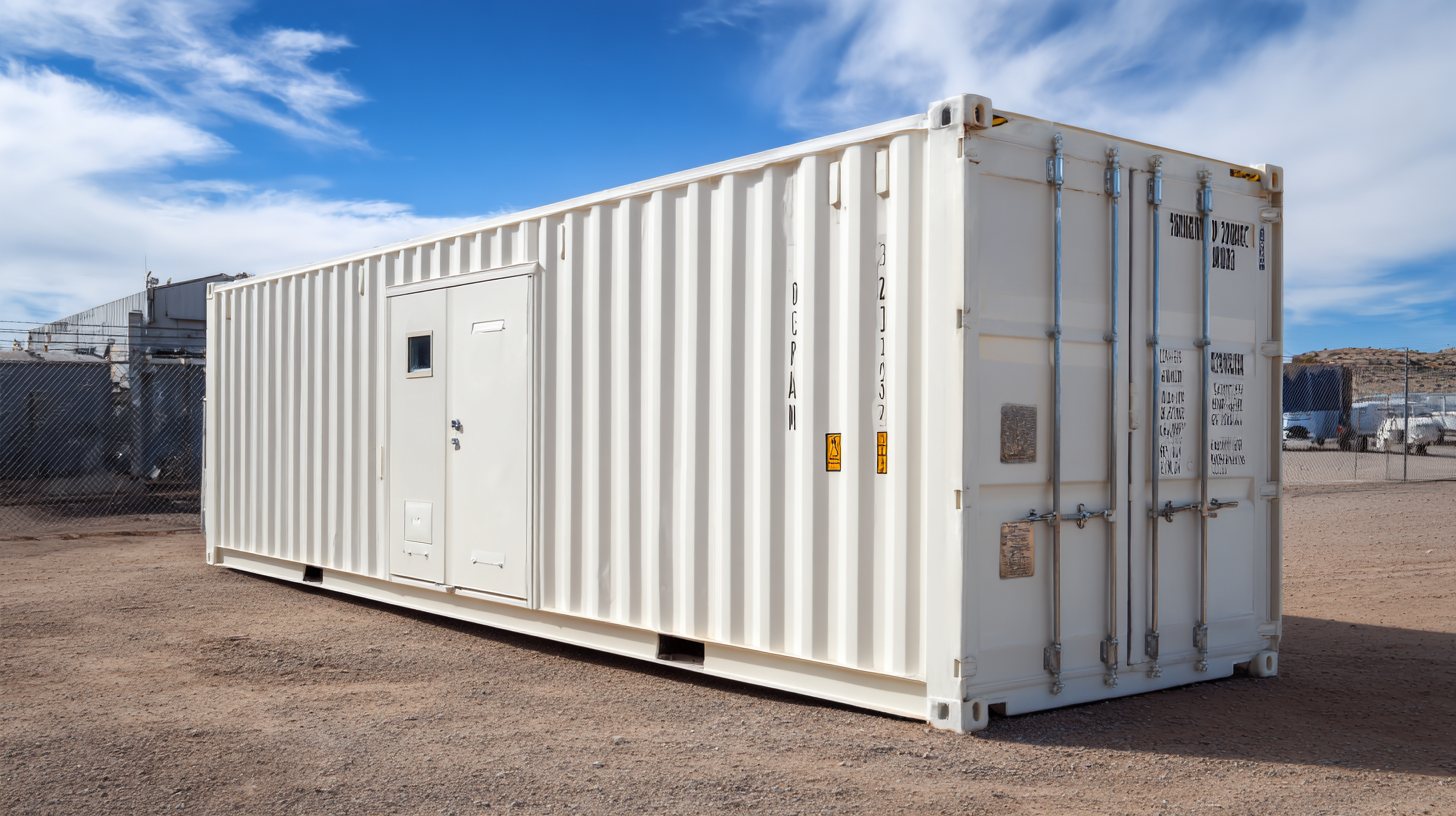
High cube shipping containers are an ideal solution for those seeking additional storage space without compromising on mobility. Typically measuring 40 feet in length, these containers are distinguished by their increased height, usually standing at 9.5 feet compared to the standard 8.5 feet. This extra foot of height allows for more vertical storage options, making them particularly useful for transporting bulkier goods or for use as on-site storage for businesses requiring extra room for inventory.
When selecting a high cube container, it's essential to consider its key features and specifications. Most high cube containers are constructed from durable corten steel, providing strength and weather resistance. They often come equipped with double doors, allowing for easy access, and are designed to be stackable for efficient space utilization. Furthermore, high cube containers can be modified to suit specific needs, including insulation, ventilation, or additional openings, catering to diverse applications from temporary offices to secure storage units. Understanding these features ensures that you choose the right container tailored to your requirements.
The Ultimate Guide to Choosing the Right High Cube Shipping Container for Your Needs
This bar chart illustrates the comparison of different high cube shipping container sizes and their respective average capacities in cubic meters. High cube containers are typically 1 foot taller than regular containers, providing additional volume for storage and transport.
Assessing Your Storage Needs: Capacity and Dimensions of High Cube Containers
When assessing your storage needs, understanding the capacity and dimensions of high cube shipping containers is essential. High cube containers, typically 40 feet in length and 9.5 feet in height, offer an additional foot of height compared to standard containers. This extra space is invaluable for storing tall items or maximizing vertical storage, making them particularly suited for businesses with specific inventory requirements or for personal storage solutions where height can leverage more usability.
To tailor your choice of container to your needs, measuring the items you plan to store is crucial. Consider not only the dimensions of your items but also the weight—they must fit within the specified weight limits of the container. Additionally, reviewing the layout of your intended storage area can help optimize the container's use. High cube containers can provide flexible storage solutions, from seasonal items to equipment and supplies, ensuring that space is used effectively and efficiently. This understanding will help you make an informed decision when selecting the right high cube shipping container for your unique storage demands.
Cost Analysis: Investment vs. Long-term Benefits of High Cube Shipping Containers
When evaluating the cost of high cube shipping containers, it's essential to consider both the initial investment and the long-term benefits they provide. A typical high cube container can cost anywhere from $2,500 to $4,500, based on factors such as condition, location, and demand. While this upfront expense may seem significant, industry reports suggest that high cube containers often lead to savings in the long run. For example, their enhanced capacity—offering an additional foot in height compared to standard containers—allows for more efficient storage and transport, which can ultimately reduce operational costs by 20% or more for businesses that frequently ship large volumes of goods.
Furthermore, high cube containers are increasingly valued for their versatility in various applications, from storage solutions to mobile offices or workshops. A report from the Container Trading Association indicates that businesses using high cube containers can achieve a return on investment (ROI) of approximately 15-25% over five years, due in part to their durability and adaptability. Moreover, with the growing trend of sustainable practices in logistics, these containers are often built with environmentally friendly materials, appealing to companies invested in reducing their carbon footprint. By understanding the cost analysis of high cube shipping containers, businesses can make informed decisions that balance initial expenses with long-term operational advantages.
Popular Industries Utilizing High Cube Containers: Statistics and Trends
High cube shipping containers have become increasingly popular across various industries due to their extra height, making them ideal for transporting a wider range of goods. According to a recent report by *Statista*, the global shipping container market is expected to grow to approximately $8.4 billion by 2025, with high cube containers accounting for a significant portion of this growth. Industries such as e-commerce, retail, and construction are particularly leveraging these containers for their versatility and capacity to maximize storage efficiency.
In the e-commerce sector, the enhanced space of high cube containers allows for the transportation of larger quantities of goods, accommodating the rising demand for online shopping and quick delivery. Reports from *DHL* indicate that e-commerce logistics will continue to soar, with a staggering 20% annual growth rate projected through 2026. Similarly, in the construction industry, high cube containers are increasingly being repurposed for on-site storage solutions, contributing to a reported 15% increase in utilization over the past few years according to *Mordor Intelligence*. This trend underscores the container's adaptability and highlights the changing dynamics of supply chain logistics.
The Ultimate Guide to Choosing the Right High Cube Shipping Container for Your Needs
| Industry |
Usage Percentage (%) |
Trends in 2023 |
Average Size Preference (ft) |
| Retail |
35 |
Increasing demand for fast delivery |
40 |
| Construction |
25 |
Rise in modular construction |
40 |
| Food & Beverage |
20 |
Focus on refrigerated containers |
40 |
| Manufacturing |
15 |
Emphasis on sustainability |
20 |
| Pharmaceuticals |
5 |
Increasing regulations on storage |
20 |
Environmental Impact and Sustainability: Choosing Eco-friendly Options in Shipping Containers
When selecting a high cube shipping container, it is crucial to consider the environmental impact and sustainability of your choices. Shipping containers play a significant role in global trade, and their production and usage affect carbon footprints considerably. According to a report by the World Bank, shipping is responsible for approximately 2.5% of global greenhouse gas emissions. Therefore, choosing eco-friendly containers can contribute to reducing these emissions and promoting sustainability in the logistics sector.
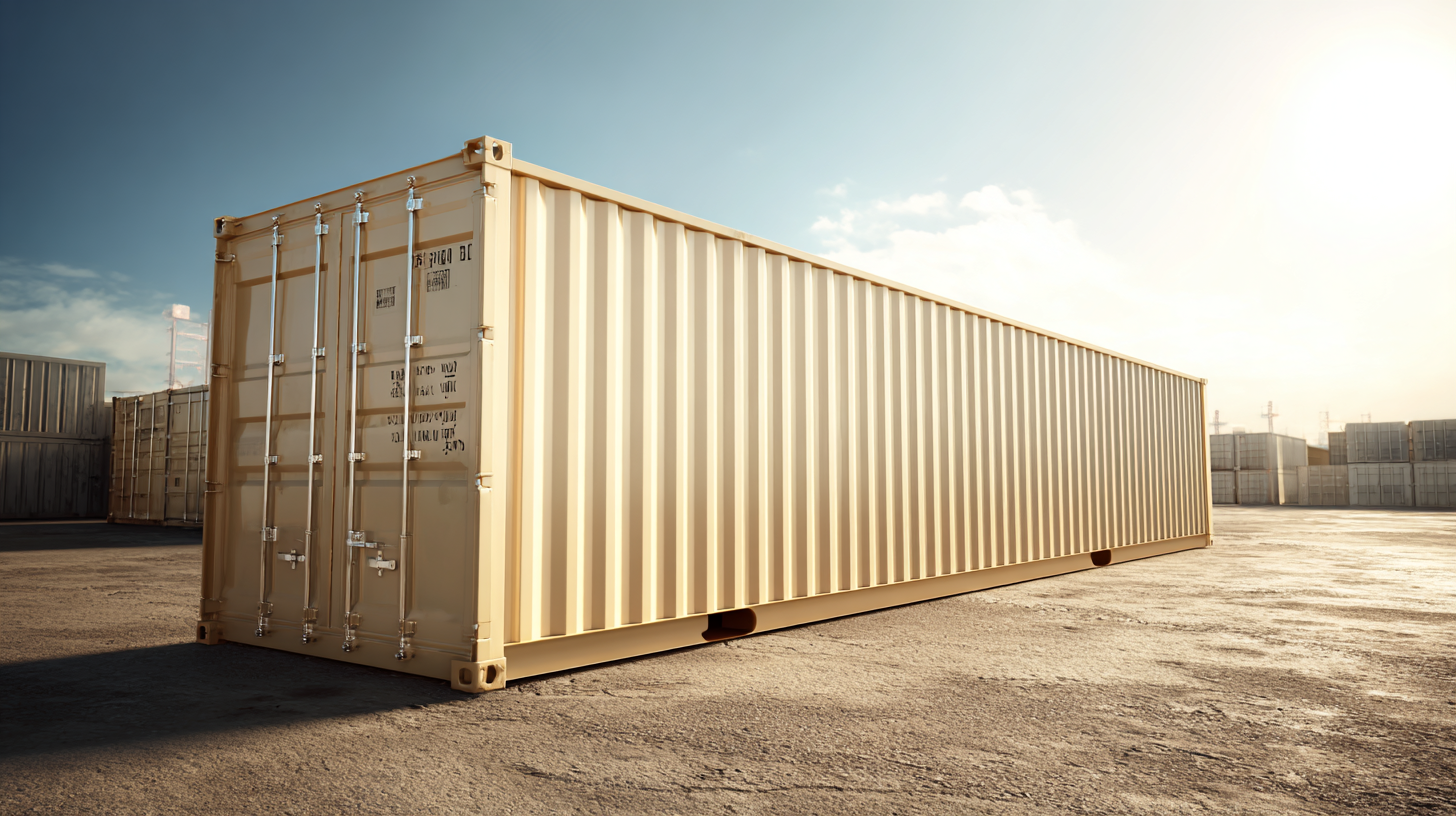 One effective way to mitigate environmental impact is to opt for used high cube shipping containers. By reusing existing containers, we reduce the demand for new production, which is energy-intensive and contributes to resource depletion. A study by the International Maritime Organization indicates that reusing a shipping container can save up to 90% of the energy required to produce a new container, making it a sustainable choice.
Tip: Always inquire about the materials used in container synthesis. Look for containers made from sustainable sources, such as those certified by reputable environmental organizations.
Additionally, consider manufacturers who employ eco-friendly practices in their operations, such as using renewable energy sources and minimizing waste. Not only do these practices lead to a greener product, but they also encourage an industry-wide shift toward sustainability.
Tip: Research and select vendors that have transparent sustainability policies, ensuring you are contributing to a greener supply chain when purchasing your shipping container.