
en es

What is a Grain Conveying Blower and How Does It Work?

Grain conveying blowers play a crucial role in the agricultural industry. They efficiently transport grains from one location to another. Understanding how they work is essential for anyone involved in grain handling.

A grain conveying blower uses air pressure to move grains through pipelines. This process ensures minimal spillage and contamination. However, not all systems are perfect. Some may struggle with heavy loads or long distances. Maintenance is vital for optimal performance.

The design of a grain conveying blower can impact its efficiency. Factors like the blower type and pipe size matter. Proper sizing and installation are essential to maximize airflow. Users should regularly inspect their systems. Identifying potential issues early helps prevent costly disruptions.
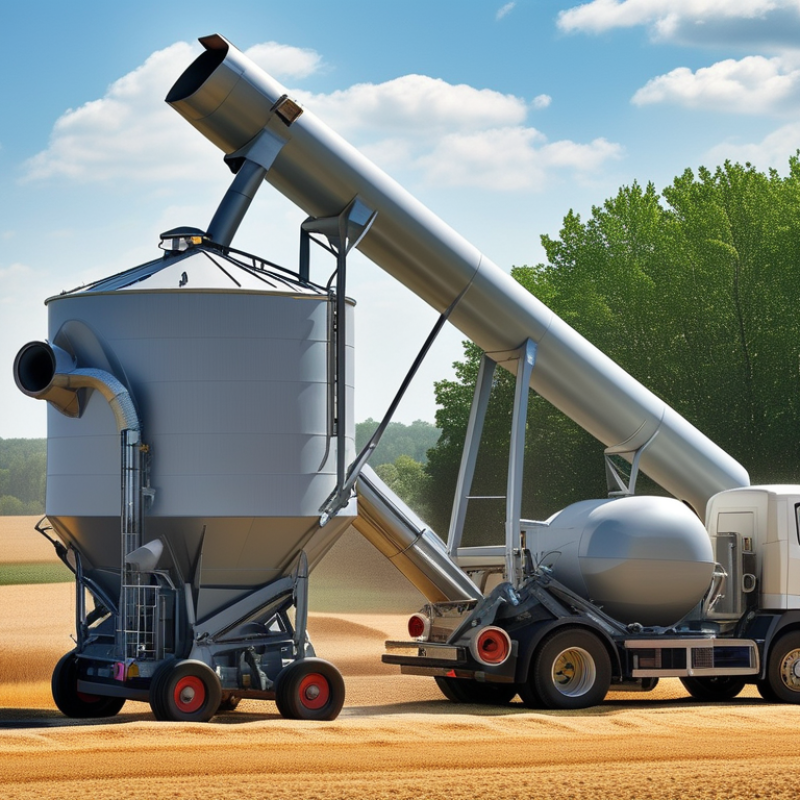
What is a Grain Conveying Blower and How Does It Work?

Definition and Purpose of a Grain Conveying Blower

Grain conveying blowers play a crucial role in agricultural operations. They are designed to efficiently transport grains and other bulk materials. Typically, they utilize air pressure to move the material from one point to another. This makes them essential in grain storage facilities and processing plants.

Understanding the purpose of a grain conveying blower is essential. These blowers can improve grain handling efficiency, reduce manual labor, and minimize contamination. They help maintain the integrity of the grain during transport. However, it’s important to consider potential drawbacks. If not properly maintained, blowers can create dust, which poses health risks. Additionally, improper use can lead to material blockages.

Tips: Regular maintenance is vital for optimal performance. Inspect components frequently to catch issues early. Also, ensure that the system is well-sealed to prevent contamination. Train operators to monitor air flow and pressure carefully. This can enhance the safety and efficiency of the operation. Always prioritize safety when operating these machines.

Components of a Grain Conveying Blower

A grain conveying blower consists of several essential components that work together to transport grains efficiently. The main part is the blower unit, which generates the airflow needed to move the grains. Its design typically includes an impeller that rotates to create pressure. This impeller's shape and size can significantly affect the airflow and overall performance.

Attached to the blower is the conveyor tube. This pipe directs the grains through the system. It often varies in diameter and length, depending on the specific requirements of the grain handling operation. The material of the tube is also crucial. It should be durable to withstand the abrasive nature of grains.

Another vital component is the control panel. This panel allows operators to manage and adjust the blower's speed and airflow. Operators may find this aspect frustrating, as settings can be tricky to get just right. Balancing speed with efficiency is key to optimal functioning. A thoroughly tested system will help avoid issues like clogs or blockages, which can happen more easily than expected. All these elements must work in harmony to ensure grains move smoothly from one point to another.

Working Mechanism of a Grain Conveying Blower

A grain conveying blower is a vital component in agricultural processing. Its main task is to transport grains through a system of tubes. Understanding the working mechanism helps in optimizing performance and maintenance.

The blower operates by creating a high-velocity stream of air. This airflow is directed through a series of pipes, moving grains from one location to another. The design often includes a fan or impeller that accelerates the air efficiently. As grains enter the airflow, they are pushed along the pipes. Monitoring the speed and volume of air is crucial. Changes in these parameters can affect the transport speed and efficiency.

In some cases, blockages can occur in the system. This can lead to delays and increased wear on the blower. Regular checks on the system can help prevent these issues. Proper installation also impacts performance. Misalignments might reduce efficiency. Understanding these nuances can significantly improve handling grain materials effectively. Balancing airflow and grain load is an ongoing challenge, demanding constant adjustment and attention.

Grain Conveying Blower Performance Comparison

This chart demonstrates the airflow capacities of different grain conveying blowers. The values are measured in cubic feet per minute (CFM), allowing for a comparison of their performance in conveying grain efficiently.

Applications of Grain Conveying Blowers in Agriculture

Grain conveying blowers play a crucial role in modern agriculture. They facilitate the efficient movement of grain from one location to another. These blowers use a system of air pressure to transport grain through pipes. This method minimizes physical labor and speeds up grain logistics.

In many farming operations, conveying blowers enhance productivity. They are commonly used in grain storage facilities, ensuring that grain is moved quickly and safely. By minimizing spillage and contamination, these blowers help maintain quality. Farmers can direct the flow to various destinations like silos or trucks. The controlled environment reduces the risk of spoilage.

However, reliance on technology has its drawbacks. Issues like maintenance can arise unexpectedly. Regular checks and timely repairs are essential to keep systems running smoothly. Poor installation can lead to inefficiencies, making it vital to involve experienced technicians. This reflects the need for a careful approach when integrating these systems into agricultural practices.

Advantages and Disadvantages of Using a Grain Conveying Blower

Grain conveying blowers are important tools in the agricultural sector. They provide a way to move grain from one location to another. However, using these blowers has its ups and downs. Industry reports indicate that blowers can increase efficiency by up to 30%. This efficiency is crucial during peak harvest periods.

On the downside, grain conveying blowers can be costly to maintain. Repair and parts replacement can add up. Additionally, they may require special training for operators. Industry estimates suggest that operational training can take from several hours to a few days. Proper training helps prevent accidents and ensures smooth operation.

Noise pollution is another concern. Blow systems can produce sounds exceeding 85 decibels. Such noise levels can be harmful over extended periods. A balance is needed to maximize the advantages while managing these negative impacts. Understanding these factors is essential for farmers deciding whether to invest in grain conveying blowers.

Get a quote
Open chat
1
Hi! How can we help you?
Chat with Pelican Containers