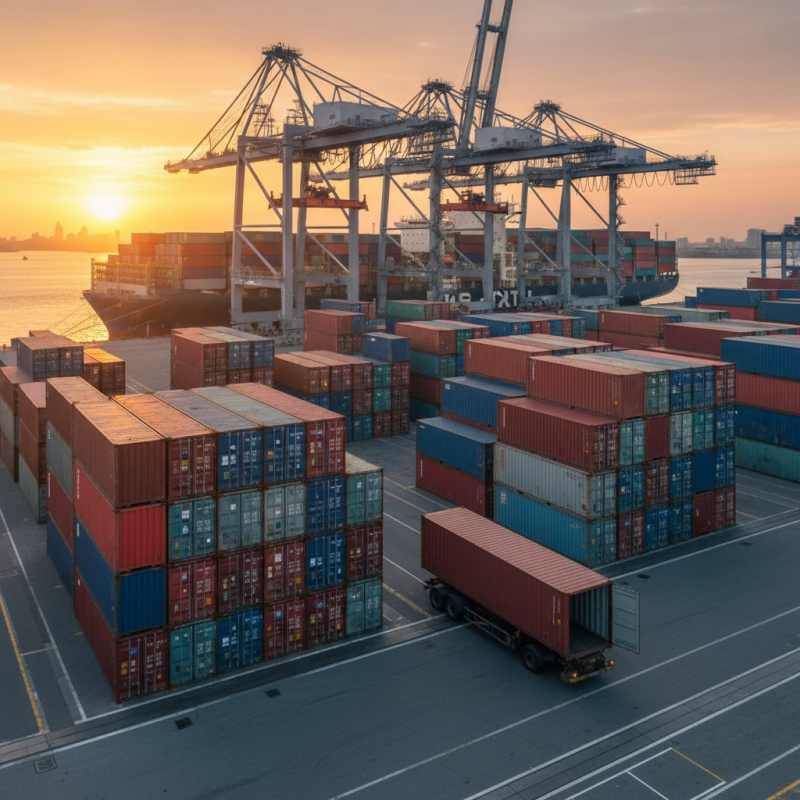
Understanding the costs and uses of a 40 ft container in shipping is vital for businesses looking to optimize their logistics and supply chain management. As John Smith, a renowned shipping logistics expert, aptly stated, "The efficiency of a 40 ft container can significantly reduce transportation costs while maximizing cargo capacity." This statement underscores the dual importance of cost-effectiveness and space utilization in the shipping industry, making the 40 ft container a key player in global trade.
With its capacity to hold a substantial load while remaining manageable in terms of handling and transport, the 40 ft container has become a standard in a variety of shipping applications. From bulky goods to high-volume shipments, understanding how to effectively employ these containers can lead to improved operational efficiency. Additionally, as costs associated with shipping continue to fluctuate, grasping the financial aspects tied to the use of a 40 ft container becomes imperative for businesses seeking to maintain competitiveness in a challenging market landscape.
By exploring the costs involved and the multifaceted applications of 40 ft containers, we can provide valuable insights for businesses aiming to leverage their shipping strategies. This exploration not only addresses the foundational knowledge necessary for making informed decisions but also highlights the evolving role containers play in the increasingly complex world of logistics and supply chain management.
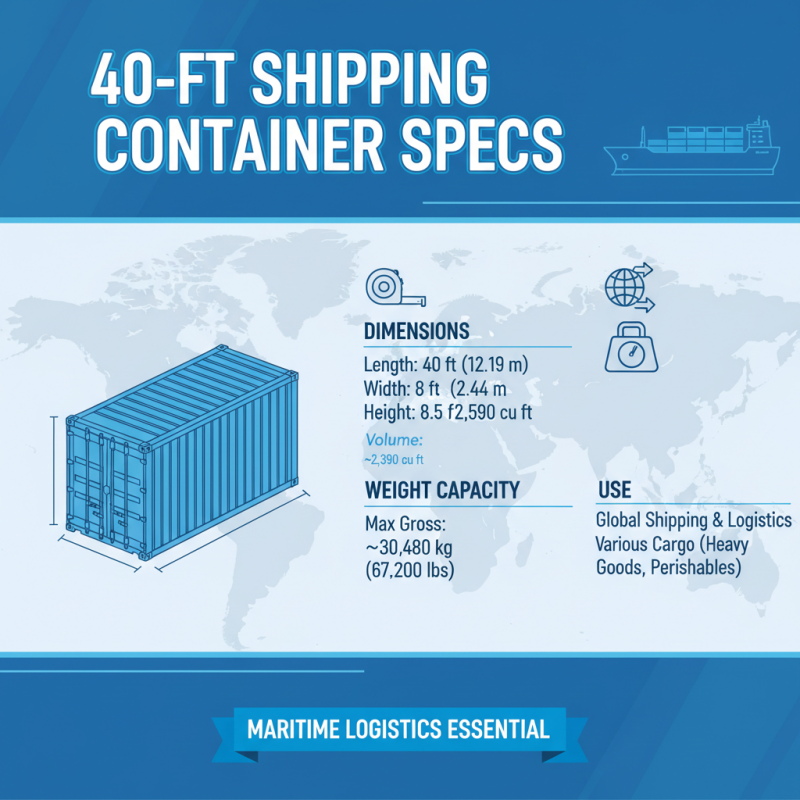
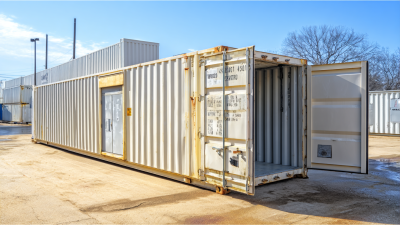
A 40 ft container, commonly used in global shipping, has specific structure and specifications that make it an integral component of maritime logistics. Typically, the external dimensions of a standard 40 ft container are approximately 40 feet long, 8 feet wide, and 8.5 feet high, providing a total volume of about 2,390 cubic feet. This allows for the transport of various cargo, from heavy goods to perishables. The weight capacity for a 40 ft standard container usually hovers around 30,480 kg (67,200 lbs), which emphasizes its capability to accommodate substantial loads.
One of the key features of a 40 ft container is its robust construction, which is designed to endure the challenges of shipping conditions. The container is usually made from high-tensile steel, ensuring durability and security for the cargo inside. Additionally, the design includes a locking mechanism that minimizes the risk of theft and damage. According to industry reports, approximately 80% of global trade by volume is carried by container shipping, underscoring the importance of containers in the supply chain. The versatility of 40 ft containers also allows for various modifications, including refrigeration options, further broadening their applications in transporting temperature-sensitive goods. These specifications not only enhance efficiency but also support the sustainability efforts within the shipping industry by optimizing space utilization.
In various industries, the 40 ft container is a versatile solution for transporting goods efficiently. One of the most common uses is in the construction sector, where these containers serve as temporary storage units for tools, materials, and equipment. Their robust design ensures that valuable construction supplies are kept safe from weather conditions and theft, allowing for a streamlined workflow on construction sites. Additionally, they can be transformed into site offices or workshops, offering a convenient space for workers to plan and execute tasks.
Another notable application of 40 ft containers is in the agricultural industry. Farmers and agricultural businesses utilize these containers for transporting bulk produce to markets, ensuring that food items maintain their quality during transit. The ample space allows for the stacking of crates and pallets, maximizing shipping efficiency. Moreover, with proper modifications, these containers can be converted into cold storage units, allowing for the preservation of perishable goods until they reach their destination.
The retail sector also benefits significantly from the use of 40 ft containers, particularly for shipping large quantities of goods. Retailers often rely on these containers for importing products from overseas, as they can accommodate a significant load, reducing shipping costs on a per-unit basis. Furthermore, businesses can repurpose these containers for storage or as pop-up shops, taking advantage of their mobility and durability in various locations.
| Industry | Common Use | Average Cost (USD) | Shipping Capacity (CBM) |
|---|---|---|---|
| Retail | Clothing and Accessories | 2500 | 67.7 |
| Food and Beverage | Frozen Goods | 3000 | 67.7 |
| Construction | Building Materials | 2000 | 67.7 |
| Automotive | Parts and Components | 2800 | 67.7 |
| Electronics | Consumer Devices | 2700 | 67.7 |
When considering the costs associated with renting or purchasing a 40 ft container, several key factors come into play. First, the initial price of the container varies depending on its condition—new containers typically command higher prices, while used containers offer a more budget-friendly option. Additionally, geographic location can influence prices, as containers may be more readily available in ports or areas with a high shipping activity, reducing transportation costs.
Another significant aspect is the duration of the rental period. Short-term rentals can be convenient but often come with higher monthly fees compared to long-term agreements, which provide better overall value. Furthermore, additional costs such as delivery, pick-up fees, and security deposits should also be factored into the total expenditure. Buyers need to consider expenses related to maintenance and potential repair if they opt for ownership, which adds another layer of cost to the initial investment. Understanding these variables is essential for businesses or individuals to make informed decisions about container rentals or purchases.
When considering shipping logistics, understanding the comparative advantages of a 40 ft container against other sizes is crucial for optimizing costs and maximizing efficiency. According to industry reports, the 40 ft container is among the most popular options in global shipping, accounting for approximately 70% of the container market. This popularity is largely due to its capacity, which can hold about 2,390 cubic feet of cargo, making it ideal for large shipments. In contrast, a 20 ft container provides only 1,169 cubic feet, offering less flexibility for substantial loads, while the 45 ft high cube container, although larger, typically incurs higher costs due to weight and handling.
The choice between a 40 ft container and other sizes often hinges on specific shipping needs and budget constraints. Data indicates that the cost per cubic foot for a 40 ft container is generally lower than that of smaller containers, which can lead to significant savings, especially for businesses that frequently ship larger quantities. Furthermore, the 40 ft option allows for more efficient space utilization in shipping vessels, contributing to reduced transportation costs per unit. This not only benefits shippers but also helps reduce overall carbon emissions per ton of cargo shipped, aligning with sustainable logistics practices increasingly sought after in the industry.
This chart compares the costs associated with 40 ft containers against other common shipping container sizes. The analysis considers purchase price, renting cost per month, and average transport costs.
When considering the logistics of shipping with a
40 ft container, understanding best practices for packing and loading is crucial to optimize space and ensure cargo safety.
According to the International Maritime Organization, approximately
90% of global trade is carried by sea, making the efficiency of container usage paramount. Proper packing techniques can maximize the container's capacity, potentially allowing for up to
28-30 cubic meters of cargo. Research suggests that utilizing standard loading patterns and ensuring even weight distribution can significantly reduce the risk of damage during transit, while also lowering overall shipping costs.
In addition to space optimization, attention to packing materials is vital. Utilizing high-quality packing supplies can prevent damage from vibration and movement during transportation. A report from the
World Shipping Council indicates that nearly
3% of cargoes are lost or damaged at sea, underscoring the importance of robust packing methods. Enhancing container security through techniques such as strapping and using dunnage can also play an instrumental role in safeguarding the contents.
Incorporating these best practices not only protects the cargo but also contributes to more efficient shipping operations, supporting the sustainability of global trade.
If for some reason you did not find the service or product you need, you can always leave a request for a free consultation and get an answer.