
en es

How to Choose the Best Wrapping Food Paper for Your Needs?

Choosing the right wrapping food paper is crucial for food safety and storage. According to a report by the Food Packaging Forum, the global demand for food packaging materials is expected to grow by 4.6% annually. This indicates how essential it is to select suitable materials for various needs.

The market offers diverse options, from parchment to wax paper. Each type has unique properties that affect freshness and protection. Parchment paper is popular for baking, while aluminum foil excels in heat protection. However, not all brands provide the same level of reliability.

Factors like sustainability and chemical safety are important too. A 2022 study revealed that 73% of consumers prioritize eco-friendly packaging. Choosing the best wrapping food paper means balancing functionality and environmental concerns. Be mindful of the specific requirements for your food items. Reflecting on these aspects helps you make an informed decision.
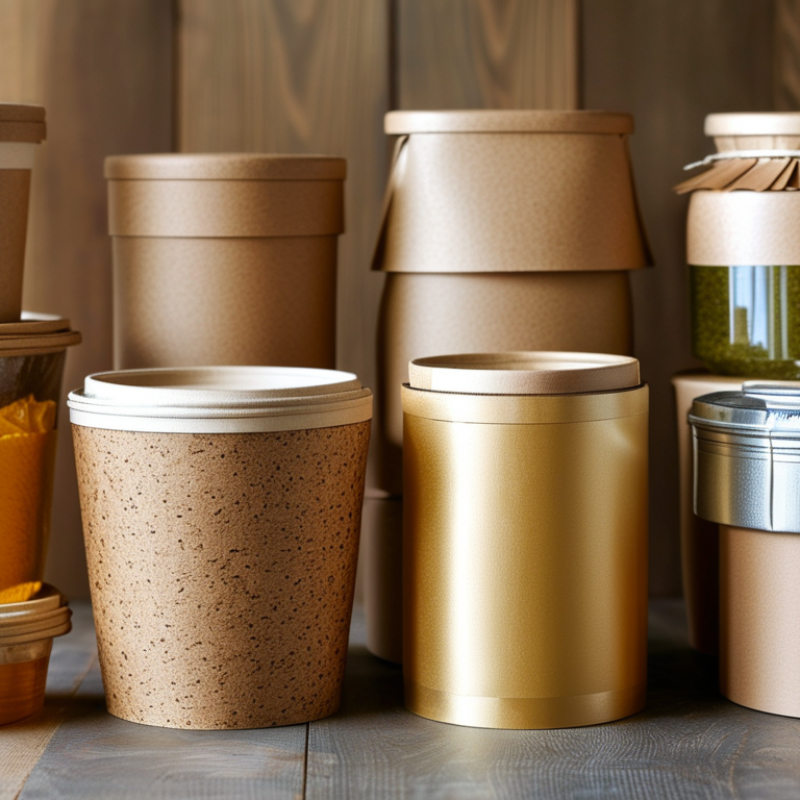
How to Choose the Best Wrapping Food Paper for Your Needs?

Types of Wrapping Food Paper and Their Uses

When choosing wrapping food paper, consider the types available and their applications. Parchment paper is heat-resistant and ideal for baking. It prevents sticking and absorbs moisture, making it perfect for cookies and pastries. Aluminum foil provides excellent insulation. It wraps tightly around food, preserving freshness and flavors while blocking light.

Wax paper has a unique coating that resists moisture and grease. This makes it suitable for wrapping sandwiches and snacks. However, wax paper should not be used in the oven, as it can melt and release harmful chemicals. Reusable beeswax wraps are eco-friendly and versatile. These wraps mold to the shape of food, ensuring a tight seal without waste.

Each paper type has its benefits and drawbacks. Assess your uses carefully. Consider the environment's impact. Not everyone thinks about this. Choosing the right paper can enhance your food storage and preparation experience. Explore your options to make informed decisions.

Factors to Consider When Choosing Food Wrapping Paper

Choosing the right food wrapping paper is crucial for maintaining food quality. The type of material greatly impacts freshness. Paper options include waxed, parchment, and freezer paper. Waxed paper is excellent for keeping moisture in. However, it can’t handle high temperatures. Parchment paper is heat-resistant and ideal for baking. It offers a non-stick surface. But it may not provide enough moisture barrier for some foods.

Another vital factor is sustainability. Opting for biodegradable or recyclable papers can minimize environmental impact. Many consumers overlook this aspect, focusing solely on usability. Consider the food you are wrapping. Greasy or liquid items may need thicker, more durable paper. Conversely, dry snacks require less robust options.

Think about the size of the package too. Large items need wider rolls, while smaller snacks need compact solutions. It's not just about protecting food. Proper packaging enhances presentation and prevents messes. Evaluating your specific needs can help you make a better choice. Don’t rush; understanding these factors will lead to better food preservation.

How to Choose the Best Wrapping Food Paper for Your Needs?

Factor Description Types of Materials Best For
Material Consider what the wrapping paper is made of. Waxed paper, parchment paper, plastic wrap, aluminum foil Sandwiches, baked goods, leftovers
Size Choose a size that fits your food items appropriately. Standard sheets, rolls, pre-cut Various portion sizes
Thickness Thicker paper provides more insulation. Lightweight, medium, heavyweight Hot foods, moisture-heavy items
Durability Assess how well the paper holds up over time. Tear-resistant, waterproof, greaseproof Long-term storage
Sustainability Look for environmentally friendly options. Biodegradable, recyclable, compostable Eco-conscious consumers
Cost Consider your budget for wrapping paper. Economical, premium Variety of users

Environmentally Friendly Options for Food Wrapping

When it comes to food wrapping, sustainability is key. Many consumers are now seeking environmentally friendly options to reduce waste and pollution. Reports suggest that around 300 million tons of plastic are produced annually, and a significant portion ends up in oceans. Using eco-friendly wrapping materials can help counteract this alarming trend.

Biodegradable papers, beeswax wraps, and plant-based films are popular choices. For instance, biodegradable papers break down within a few months, unlike traditional plastic, which can take hundreds of years. Switching to these materials not only benefits the environment but also adds a touch of natural appeal to food packaging.

Tips: Look for products certified by environmental organizations. This ensures that the materials are tested and are indeed sustainable. Consider switching to beeswax wraps for sandwiches or fruits. They are reusable and effective at keeping food fresh. Each small step towards eco-friendly wrapping makes a difference.

Tips for Proper Storage and Use of Food Wrapping Paper

When it comes to food wrapping paper, proper storage is key. Always keep it in a dry, cool area to prevent moisture damage. If the paper gets wet, it can lose its effectiveness. Ensure it is placed away from direct sunlight. Sunlight can degrade the paper over time, making it less reliable for food storage.

Using the right technique is crucial. When wrapping food, try to use tight folds to minimize air exposure. Air can lead to spoilage and loss of flavor. For instance, when wrapping meats, ensure no parts are exposed. This reduces the risk of freezer burn. It's easy to overlook these details, but they make a huge difference.

Be mindful of the length of your paper pieces. Cutting them too short can lead to inadequate coverage. On the other hand, using overly large pieces can be wasteful. It's a balancing act. Reflect on your wrapping habits and consider if you're making the most of your materials. Each choice counts in maintaining food quality.

Common Mistakes to Avoid When Selecting Food Wrapping Paper

Choosing the right food wrapping paper can be tricky. One common mistake is ignoring the type of food you need to wrap. For instance, some papers work better for dry foods, while others are suited for moist items. Not all papers are equal in terms of moisture resistance and durability. Be cautious; the wrong choice can lead to spills or leaks.

Another pitfall is overlooking the importance of safety. Some wrapping papers contain harmful chemicals. Always check for food-safe certifications. It's also essential to consider the paper's thickness. Too thin paper tears easily, making it unreliable. On the other hand, paper that's too thick may need extra effort to cut or shape properly.

Many people forget about the environmental impact of their wrapping choices. Using non-recyclable materials contributes to waste. Look for biodegradable or recyclable options. Making informed decisions helps you avoid regrettable purchases. Think about your needs carefully. Consider practicality over trends. Your choices may reflect personal values, so take the time to choose wisely.

Food Wrapping Paper Comparison

Get a quote
Open chat
1
Hi! How can we help you?
Chat with Pelican Containers