
en es

How to Choose the Best Single Parameter Water Analyzer?

Choosing the best Single-Parameter Water Analyzer involves careful consideration. These devices are crucial for ensuring water quality. They offer insights into various contaminants. However, not all analyzers are created equal. Each model has unique features that cater to specific needs.

Understanding your specific requirements is essential. Consider things like the type of water you are testing. A Single-Parameter Water Analyzer can target pH, turbidity, or specific chemicals. Evaluate how often you will use the device. Frequent testing may require a more robust model.

Additionally, think about the calibration process. Some analyzers are easier to calibrate than others. User-friendly devices often save time and reduce errors. Reliable manufacturers provide better customer support and resources. Ultimately, the right choice will balance your needs with the features available.
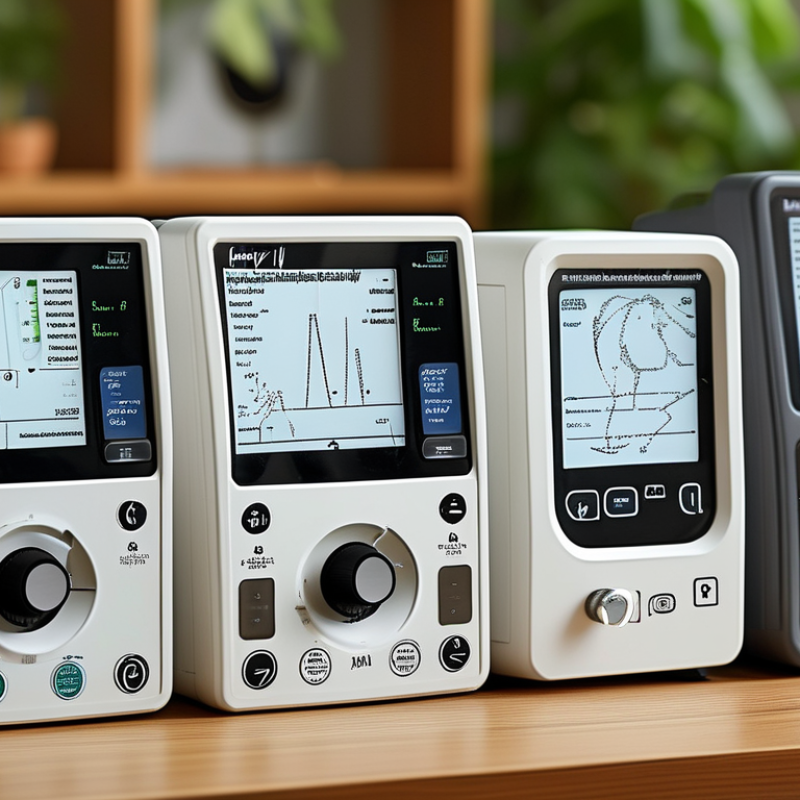
How to Choose the Best Single Parameter Water Analyzer?

Understanding the Importance of Single Parameter Water Analyzers in Industry

Single parameter water analyzers play a vital role in various industries. These devices specialize in measuring specific water quality indicators. They provide accurate data essential for process control, regulatory compliance, and ensuring product quality. Industries such as pharmaceuticals, food and beverage, and wastewater treatment rely heavily on these analyzers. Understanding their importance can enhance operational efficiency and product safety.

Choosing the right analyzer involves several factors. Accuracy and reliability are paramount. A suitable instrument should deliver consistent results over time. Depending on the application, one might need analyzers for pH, turbidity, or dissolved oxygen. Different technologies, such as electrochemical sensors or optical devices, have their pros and cons. It's crucial to understand these before making a decision.

It’s easy to overlook user training. A user-friendly interface is important, but staff must be well-trained. Inadequate training can lead to misinterpretation of data. Regular calibration and maintenance are also necessary for continued accuracy. Balancing cost with quality is often challenging. In some cases, cheaper options might compromise data integrity. Therefore, investing in a reliable analog device could save resources in the long run.

How to Choose the Best Single Parameter Water Analyzer?

Parameter Measurement Range Accuracy Response Time Typical Applications
pH 0 - 14 ±0.01 <1 min Water Treatment, Aquaculture
Dissolved Oxygen 0 - 20 mg/L ±0.2 mg/L <1 min Aquatic Systems, Wastewater
Turbidity 0 - 100 NTU ±2 NTU <1 min Drinking Water, Environmental Monitoring
Conductivity 0 - 200 mS/cm ±0.5 mS/cm <1 min Industrial Process, Aquaculture
Chlorine 0 - 5 mg/L ±0.1 mg/L <1 min Water Treatment, Swimming Pools

Key Parameters to Consider When Selecting a Water Analyzer

When selecting a single parameter water analyzer, the key is understanding your specific needs. Different applications may require monitoring various water attributes. Common parameters include pH, turbidity, dissolved oxygen, and conductivity. Each parameter serves a distinct purpose and offers insights into water quality. Knowing which parameter is most critical for your situation is essential.

Consider the accuracy and precision of the analyzer. Devices with higher sensitivity can detect smaller changes in water quality. This is crucial for industries like aquaculture or water treatment, where minor fluctuations can have significant impacts. It’s also important to think about ease of use. A complicated setup can lead to errors. Simple operations save time and reduce the chance of mistakes.

User support and resources also matter. When issues arise, access to reliable help is vital. Manuals and online resources should be comprehensive. Manufacturers with a reputation for quality often provide better support. However, not all systems guarantee this. Always verify if the support aligns with your expectations before making a decision.

Comparing Calibration Methods for Accurate Water Quality Measurements

When selecting a single parameter water analyzer, calibration methods play a crucial role in accuracy. Different methods can yield varying results. Understanding these options is essential for reliable water quality measurements.

Manual calibration requires careful technique. You must ensure standards are precisely measured. This process can be time-consuming but offers high accuracy. However, human error can lead to inconsistencies. Automated calibration systems present an alternative. These systems can streamline the process, reducing the risk of mistakes. Yet, they can be expensive and may require a learning curve.

Regular calibration checks are necessary for maintaining accuracy. It's not just about initial setup. Over time, sensors drift from their calibrated state. Routine evaluations can reveal issues early. However, many users often overlook this step. Ignoring it can compromise data quality. A balance between effort and accuracy is vital for trustworthy water analysis.

Comparison of Calibration Methods for Single Parameter Water Analyzers

This chart illustrates the accuracy of different calibration methods used in single parameter water analyzers. The methods compared include Standard Calibration, Zero-Point Calibration, and Multi-Point Calibration. Accuracy is measured as a percentage of deviation from true values.

Evaluating Sensor Technologies: Potentiometric vs. Optical Sensors

Choosing the right sensor technology for water analysis is crucial. Potentiometric and optical sensors are popular options. Each has its advantages and limitations. Understanding these can help make an informed choice.

Potentiometric sensors measure ion concentration through voltage changes. They are highly accurate but can be affected by temperature and ionic strength. Calibration is often required for optimal performance. Consideration needs to be given to the maintenance demands as well. These factors can make them less reliable in certain conditions.

Optical sensors use light to determine the presence of specific substances. They can offer quick results and are less affected by changes in temperature. However, they may not be as precise for all applications. Reliability can be an issue in challenging water conditions. Understanding how both technologies respond in real-world scenarios is essential. Differences in performance may become evident only after prolonged use. Careful evaluation of these aspects will lead to better water analysis outcomes.

Cost-Benefit Analysis: Investing in Reliable Water Analysis Solutions

Investing in a reliable water analysis solution is crucial for various industries. A cost-benefit analysis helps in understanding the returns. Quality water testing saves money in potential fines and health risks. Cheaper options may lead to poor data quality, resulting in costly mistakes.

When considering single parameter water analyzers, focus on accuracy and reliability. This can significantly impact your operations. If you skimp on quality, you might face adverse outcomes. Regular calibration and maintenance increase long-term value. However, these aspects are often overlooked.

Another point to ponder is training staff. Investing in proper training ensures accurate usage. A well-trained team uses the analyzer efficiently. This reduces errors, saving resources. Yet, many organizations fail to allocate time for this vital process. Balancing initial costs with long-term benefits is essential. The right investment can prove invaluable.

Get a quote
Open chat
1
Hi! How can we help you?
Chat with Pelican Containers