
en es

Why Choose a Food Warmer for Your Business Needs?

In the competitive landscape of the foodservice industry, maintaining food quality is crucial. According to a report by the National Restaurant Association, 74% of customers prioritize food temperature when dining out. A reliable Food warmer can significantly enhance this experience. This appliance not only ensures that meals are served at optimal temperatures but also reduces food waste.

In addition, the use of food warmers can streamline kitchen operations. A study by the Foodservice Equipment Reports shows that proper temperature control can improve service efficiency by up to 30%. By investing in a food warmer, businesses can maintain consistency and meet customer expectations.

However, challenges exist. For instance, some operators may struggle with training staff on the right usage. Understanding how to effectively manage food warmer settings is essential. This is not just about buying equipment; it’s about integrating it into daily operations. Balancing investment and training can make the difference in achieving desired results.
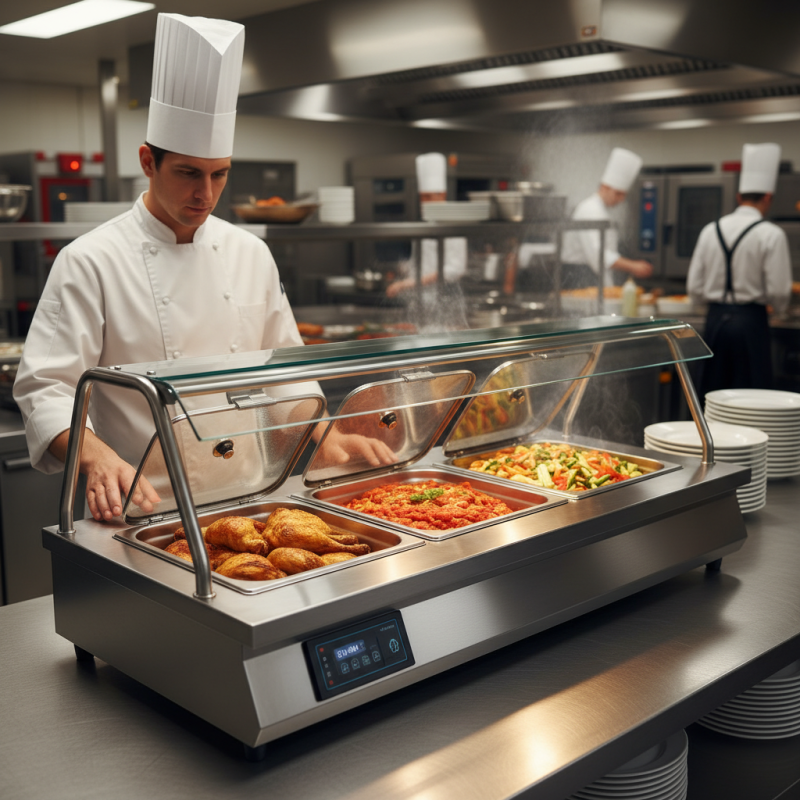
Why Choose a Food Warmer for Your Business Needs?

Benefits of Using a Food Warmer in a Commercial Kitchen

In a bustling commercial kitchen, maintaining food at the right temperature is crucial. A food warmer ensures dishes are served hot and fresh. This allows chefs to focus on preparation while keeping meals ready for customers. Business efficiency improves when staff can rely on consistent performance from their equipment.

Using a food warmer reduces the risk of foodborne illnesses. When food sits in the danger zone, bacteria thrive. A reliable warmer maintains safe temperatures, safeguarding health and ensuring compliance with regulations. Additionally, it helps retain the quality of food. Meals will not dry out or lose flavor when heated properly.

Implementing a food warmer can create a more organized workspace. It minimizes clutter on prep tables, as warmers can hold multiple dishes in one spot. Staff can easily access food as needed. However, it’s essential to train your team on proper usage and maintenance. This practice can help prevent malfunctions and ensure longevity of the equipment.

Factors to Consider When Choosing a Food Warmer for Your Business

When choosing a food warmer, several essential factors come into play. First, consider the type of food you will be serving. Different warmers cater to various cuisines and serving styles. For example, buffets often require larger, more versatile units, while restaurants might benefit from compact models for quick servings. According to a report by the National Restaurant Association, a well-selected food warmer can reduce food waste by approximately 20% due to improved holding temperatures.

Temperature control is another critical factor. A reliable food warmer should maintain consistent heat to ensure food safety and quality. The USDA states that food should be held at 140°F (60°C) or above to prevent bacterial growth. This is crucial in a fast-paced environment where delays can lead to unsatisfactory service or foodborne illnesses.

Tips: Always check for energy efficiency ratings. An efficient warmer can significantly lower operational costs. Evaluate the material quality too; stainless steel is often preferred for durability.

Lastly, think about the size and space of your kitchen. Some units may take up too much space, limiting other operations. It's wise to measure your setup before purchasing. Keep in mind that adaptability can be essential as your business grows and changes. A food warmer should not only serve your current needs but also adapt to future demands.

Types of Food Warmers and Their Unique Features

When selecting a food warmer, it's essential to understand the different types available and their unique features. From countertop models to heat lamps, each variant serves a unique purpose. Countertop food warmers provide a compact solution for small spaces. They keep dishes at an ideal temperature, ensuring customers enjoy warm meals at all times.

Another popular type, the heat lamp, is excellent for buffets or cafes. These lamps maintain warmth without moisture, preserving the quality of fried foods. They are not without challenges, though. The heat can be inconsistent, sometimes causing food to dry out. Operators need to monitor food closely to avoid serving unappetizing dishes.

Infrared food warmers are another option worth considering. They emit concentrated heat and are efficient for larger volumes. However, their energy use can become a concern for long-term operations. Understanding these nuances is key in choosing the right warmer for your business needs. Select wisely to provide the best dining experience.

Why Choose a Food Warmer for Your Business Needs?

Food warmers are essential in maintaining food quality and safety in any business that serves food. Below is a comparison of different types of food warmers and their unique characteristics.

Energy Efficiency and Cost Savings with Food Warmers

When considering energy efficiency in the foodservice industry, food warmers stand out as a top choice. Studies indicate that restaurants using advanced food warmers can reduce energy costs by as much as 30%. This substantial saving can directly boost profit margins while ensuring food quality.

Many commercial food warmers use innovative technologies that optimize energy use. For instance, infrared heating elements or efficient insulation materials keep food at safe temperatures without excessive energy consumption. According to the U.S. Department of Energy, upgrading to high-efficiency equipment can cut energy use significantly over time.

Operating food warmers also presents a reflection point on sustainability. Businesses must evaluate not just the initial cost, but also the long-term effects on their operational footprint. Regular maintenance is crucial. This ensures the equipment runs efficiently. Neglecting this can lead to higher energy costs and potential food safety concerns. Analyzing the total cost of ownership, rather than just upfront expenses, gives a comprehensive view of value.

Enhancing Food Quality and Safety with Proper Food Warmers

Food warmers play a crucial role in maintaining food quality. According to the Food and Drug Administration, food must be kept at safe temperatures to prevent bacterial growth. The optimal temperature range for hot foods is 140°F to 165°F. Consistently using a food warmer can help maintain these temperatures throughout service. This is vital for restaurants and catering services, where food safety is a top priority.

In a recent report by Food Safety News, improper food temperature management is linked to 60% of foodborne illnesses. Restaurants using food warmers effectively can reduce these risks. Proper equipment also enhances the overall presentation of dishes. For instance, a well-warmed dish will appear more appealing to customers, leading to higher satisfaction.

However, not all warmers are created equal. Inexperience can lead to improper use or selection of equipment. Many businesses overlook the importance of choosing warmers that suit their specific needs. Investing in high-quality food warmers based on expert recommendations is essential. Reflecting on how food warmers are used in your establishment might reveal missed opportunities for improvement.

Why Choose a Food Warmer for Your Business Needs?

Feature Benefit Application
Temperature Control Maintains optimal food temperature Catering, buffets, and food service
Energy Efficiency Reduces energy costs Restaurants and food trucks
Food Safety Compliance Ensures food safety standards are met Healthcare food services, schools
Versatility Can be used for various food types Cafeterias, catering events
User-Friendly Design Easy operation and setup Food service workers and staff

Article Source:

Get a quote
Open chat
1
Hi! How can we help you?
Chat with Pelican Containers