
en es

How to Choose the Right Screw Air Compressor for Your Needs?

Choosing the right Screw Air Compressor can greatly impact your operations. As industry expert John Matthews says, "Selecting the correct compressor is vital for efficiency and cost-saving." The decision involves several factors that go beyond horsepower and tank size.

Understanding your specific needs is crucial. You must consider the airflow requirements and the working environment. Different projects may demand various operating pressures and capacities. Knowing how these specifications align with your operations can save you time and money.

Additionally, it's important to reflect on maintenance and energy efficiency. A high-quality Screw Air Compressor may have a higher upfront cost, but it can lead to significant savings over time. Careful evaluation of your choices can enhance productivity while minimizing unnecessary expenditure. Consider your long-term goals and choose wisely.
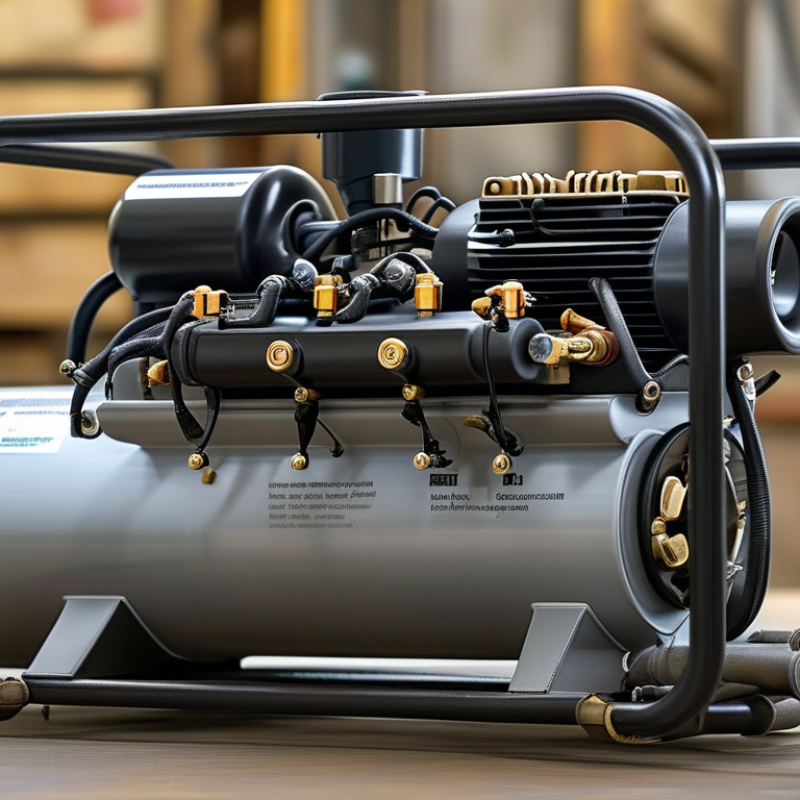
How to Choose the Right Screw Air Compressor for Your Needs?

Understanding Screw Air Compressors: Principles and Applications

Screw air compressors are essential in various industries. They efficiently convert power into compressed air. Understanding their principles and applications helps in selecting the right model for your needs.

These compressors work using a rotary screw mechanism. One rotor turns, drawing in air and compressing it. This process is efficient, making screw compressors ideal for continuous operations. They deliver a steady air supply, which is crucial for demanding tasks. This reliability can enhance productivity in manufacturing or construction sites.

When choosing a screw air compressor, consider your air pressure needs. Assess the flow rate required for your applications. A well-suited compressor can prevent energy wastage. Size and portability may also affect your choice, especially in tight workspaces.

Consider regular maintenance for optimal performance. Scheduled check-ups can extend the compressor's lifespan. Ensure a clean environment to reduce wear and tear. Keep an eye on oil levels, as oil-free options require less upkeep. Investing time in understanding these factors can greatly impact your efficiency and costs over time.

Evaluating Air Flow Requirements: CFM and PSI Calculations

Choosing the right screw air compressor starts with understanding your air flow needs. Evaluating CFM, or cubic feet per minute, is crucial. This measurement represents the volume of air the compressor can deliver. Calculate your required CFM by considering the tools you plan to use. For instance, an impact wrench may demand higher CFM compared to a tire inflator. Knowing the specific demands of your tools helps avoid underperformance.

Next, PSI, or pounds per square inch, plays a vital role too. This measurement indicates the pressure level of the air. Different applications require different PSI levels. A pneumatic nail gun typically needs lower PSI than a spray painter. Mismatched PSI can lead to tool damage or inefficiency.

Gathering this information isn't always straightforward. You may find different tools have varying requirements. It can be helpful to create a chart of the tools you use. Assessing CFM and PSI together ensures you select a compressor that meets both volume and pressure needs. Rushing this process might lead to a mismatch, causing frustrating downtime or unexpected costs. Consider your unique setup when making this decision.

Assessing Power Consumption: Energy Efficiency and Motor Types

When selecting a screw air compressor, energy efficiency is crucial. Different motor types can significantly impact power consumption. Electric motors are common for their reliability and lower energy costs. However, understanding your specific air demand can help you choose wisely.

Variable-speed drive (VSD) motors are more efficient for fluctuating workloads. They adjust speed according to demand, reducing energy use. While they may have a higher initial cost, the long-term savings often justify this investment. This option offers flexibility and sustainability.

Some setups may require fixed-speed motors, which are simpler and cheaper upfront. Yet, they can lead to energy waste if not sized correctly. It's essential to evaluate both options to find the best fit for your operation. Analyze your production needs and energy costs carefully to ensure optimal performance and savings.

Selecting the Right Model: Portable vs. Stationary Compressors

When choosing between portable and stationary screw air compressors, consider your specific applications. Portable compressors offer flexibility and mobility. They're ideal for construction sites or job locations where space is limited. With various sizes available, you can select one that fits your requirements. However, portability may come with trade-offs in power and durability.

Stationary compressors are designed for heavy-duty use in workshops or industrial settings. They provide a steady air supply and are often more powerful than their portable counterparts. However, installation can be more complicated. Consider the space you have and the workflow in your facility. A stationary model might require significant setup and maintenance.

Reflecting on your needs is crucial. Assessing your air demands and the environments where you’ll be using the compressor can save you money in the long run. You might think a portable unit suits you best, but if your projects require continuous air flow, a stationary compressor might be a wiser investment. Balancing convenience with practicality can lead to better performance.

Comparison of Portable vs. Stationary Screw Air Compressors

Maintenance Considerations: Frequency, Costs, and Spare Parts Availability

When selecting a screw air compressor, maintenance is vital. Regular maintenance ensures optimal performance and longevity. According to industry reports, the average air compressor requires service every 3,000 operating hours. This translates to about once every six months for many users. Neglecting maintenance can lead to a decline in efficiency and even system failures.

Cost is another crucial factor. Routine maintenance often includes oil changes, filter replacements, and checking for leaks. These costs can average between $500 to $1,200 annually, depending on usage and specific requirements. Spare parts availability is also essential. A study by the International Air Compressor Association states that downtime can exceed 1,000 hours annually due to delayed repairs. Ensuring easy access to parts can mitigate this risk.

It's important to evaluate the compressor's design. Some compressors are built for easy access to components, reducing repair time. However, not all compressors provide this convenience, leading to potential delays in servicing. Inadequate planning for maintenance can create vulnerabilities, resulting in unforeseen expenses or operational challenges. Understanding these factors is key to making an informed decision for long-term efficiency.

Get a quote
Open chat
1
Hi! How can we help you?
Chat with Pelican Containers