
en es

China Top 10 JS Concrete Mixer Manufacturers 2026

China’s concrete equipment sector is becoming more competitive, and JS concrete mixers remain central to large-scale batching operations. A JS mixer uses twin horizontal shafts to produce consistent concrete under demanding production schedules. Its paddles, discharge doors, and liners must withstand abrasive aggregates, repeated loading, and harsh jobsite conditions.

Industry reports support this growing market context. Grand View Research identifies construction equipment as a major global market, driven by urban development, transport investment, and infrastructure renewal. Research and Markets also highlights continued demand for concrete mixers across commercial construction, road projects, and ready-mix production. In China, reports from the China Construction Machinery Association show the importance of domestic manufacturing capacity and equipment modernization. These sources do not measure every JS mixer producer directly. Still, they provide a credible framework for evaluating manufacturers.

This guide examines China’s top 10 Js Concrete Mixer Manufacturers through practical and verifiable criteria. Production experience matters. So do mixing performance, steel quality, gearbox reliability, automation options, spare-parts support, export experience, and after-sales responsiveness. A reliable supplier should explain shaft speed, discharge capacity, liner materials, motor configuration, and testing procedures clearly. Factory visits, sample inspections, and customer references can reveal details that brochures often hide. No ranking is perfectly neutral. Some companies publish limited technical data, while others promote impressive figures without enough operating evidence. That gap deserves attention. The following overview therefore combines industry reputation, product capability, manufacturing scale, and buyer-focused observations, helping contractors and distributors compare Chinese JS mixer suppliers with greater confidence.
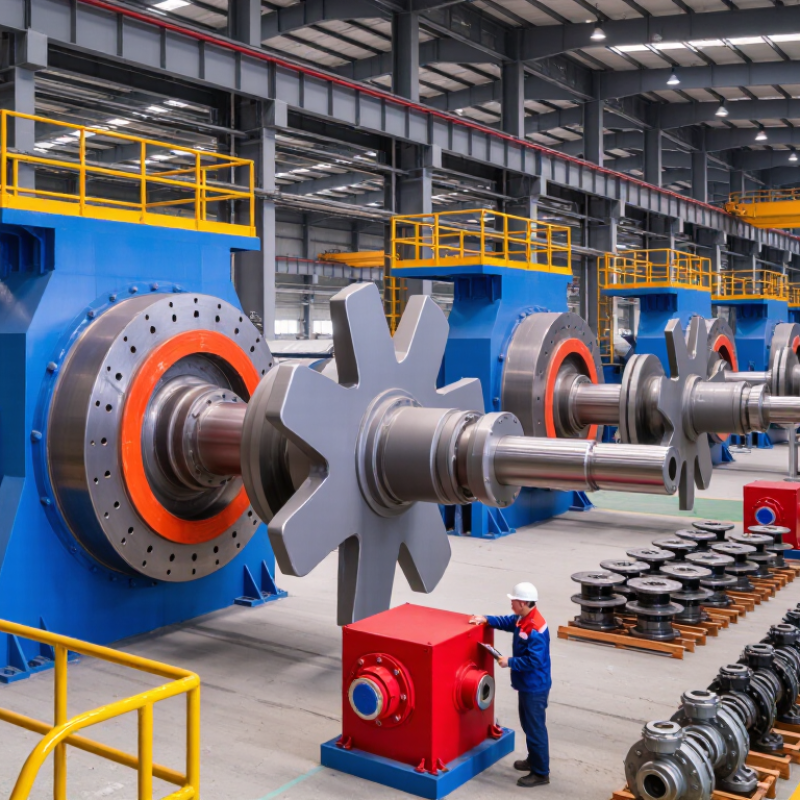
China Top 10 JS Concrete Mixer Manufacturers 2026

What Is a JS Concrete Mixer and Why Does It Matter?

A JS concrete mixer is a twin-shaft, forced-action machine for producing uniform concrete. Two horizontal shafts rotate through opposite paths. Their paddles lift, split, and fold the materials repeatedly. Cement, sand, aggregate, and water meet across the entire mixing chamber.

This design matters because consistency affects strength, pumping, finishing, and waste. Drum mixers rely more on rolling movement. A JS mixer applies stronger mechanical action, especially when the mix contains stiff aggregates or limited water. On a batching site, operators can often see the blend become even within a short cycle. The correct moisture level still matters. No mixer can repair poor proportioning.

Practical selection requires more than checking rated capacity. Ask whether the stated output is theoretical or measured under normal conditions. Inspect shaft seals, paddle wear, discharge gates, and access doors. These parts face constant abrasion. I would not treat a polished housing as proof of reliability. Even a well-designed unit can underperform when overloaded or poorly maintained. Manufacturers that provide test records, clear spare-parts data, safety instructions, and responsive technical support deserve closer attention. A useful field check is simple: observe the first batches, compare moisture correction, and listen for unusual vibration. Small warning signs are easy to dismiss. That can become an expensive mistake.

How China’s Top 10 JS Mixer Manufacturers Were Selected for 2026

Selecting China’s top 10 JS concrete mixer manufacturers for 2026 required more than catalog comparisons. We combined factory experience, technical documents, customer evidence, and current production checks. The review focused on twin-shaft mixer design, mixing uniformity, discharge speed, and resistance to abrasive aggregate. Test observations mattered. So did repeatability. A strong machine should produce consistent batches during long shifts, not only during a showroom demonstration.

Each candidate was assessed through a practical scorecard. We examined shaft geometry, paddle materials, gearbox protection, access doors, weld quality, and safety interlocks. We also reviewed factory inspection records, spare-parts planning, commissioning support, and response times. Independent operating feedback helped verify claims from technical teams. Where possible, evaluators compared water, cement, and aggregate dosing results across different mix designs. Small deviations can become expensive on a busy site.

The 2026 selection also considers durability and measurable ownership costs. Energy use, maintenance intervals, cleaning time, and replacement-part availability were weighted alongside purchase price. Compliance documentation and traceable quality controls strengthened reliability. However, the ranking is not permanent. Site conditions, local service capacity, and changing materials can alter performance. Some evidence remains limited because supplier data is not always comparable. That weakness deserves attention. Buyers should request recent test reports, inspect critical components, and run a supervised trial before making a final decision.

Profiles of China’s Top 10 JS Concrete Mixer Manufacturers

China Top 10 JS Concrete Mixer Manufacturers 2026

China’s leading JS concrete mixer manufacturers serve batching plants, precast factories, and infrastructure projects. The Global Cement and Concrete Association reports that about 14 billion cubic metres of concrete are produced worldwide each year. This volume demands stable mixing, not only impressive catalogue figures. The China Construction Machinery Industry Association also tracks strong domestic demand for concrete machinery, although annual figures vary by product category.

The ten profiles compare manufacturers through measurable engineering details. Profile one focuses on high-capacity twin-shaft mixers for major plants. Profile two emphasizes compact models for urban projects. Profile three develops wear-resistant mixing arms and liners. Profile four highlights automated lubrication systems. Profile five serves export markets with multilingual controls. Profile six offers quick-maintenance access doors. Profile seven targets precast production and shorter mixing cycles. Profile eight combines mixers with complete batching systems. Profile nine prioritizes low-noise operation. Profile ten competes through customized discharge designs. Independent testing should verify every claim. Some published specifications remain difficult to compare.

Tips: Check shaft torque, liner material, discharge time, and water sealing. Ask for test records using your actual aggregate. A mixer handling dry, angular stone may perform differently on site. Confirm spare-part lead times and technician response before signing. ISO 9001 certification can support quality controls, but it does not guarantee mixing performance. Observe a live trial when possible. Small details matter.

China Top 10 JS Concrete Mixer Manufacturers 2026 - Profiles of China’s Top 10 JS Concrete Mixer Manufacturers

Profile Mixer Configuration Nominal Output per Batch Maximum Aggregate Size Typical Mixing Cycle Drive Arrangement Discharge System Typical Application
01 Twin-shaft JS compulsory mixer 1.0–3.0 m³ Up to 80 mm 30–60 seconds Dual horizontal shafts with synchronized gear transmission Pneumatic or hydraulic bottom gate Commercial ready-mix and infrastructure concrete
02 Twin-shaft mixer for stationary batching plants 1.5–4.0 m³ Up to 80 mm 35–60 seconds Two geared electric motors with overload protection Large hydraulically actuated discharge door High-volume precast and central mixing plants
03 Compact twin-shaft JS mixer 0.5–1.5 m³ Up to 60 mm 30–50 seconds Compact dual-shaft electric drive Pneumatic discharge gate Small batching plants and urban construction projects
04 Heavy-duty twin-shaft aggregate mixer 2.0–4.5 m³ Up to 100 mm 40–70 seconds High-torque geared drive with replaceable wear components Hydraulic gate with reinforced sealing Dam, bridge, road and mass-concrete projects
05 JS mixer with moisture-control integration 1.0–3.0 m³ Up to 80 mm 35–60 seconds Twin electric motors controlled through an automated plant system Automated pneumatic or hydraulic gate Quality-sensitive ready-mix production
06 JS mixer for precast concrete production 0.75–2.0 m³ Up to 60 mm 30–55 seconds Synchronized shafts with abrasion-resistant mixing arms Fast-opening bottom discharge Pavers, pipes, blocks and precast components
07 JS mixer for dry-batch concrete plants 1.0–2.5 m³ Up to 80 mm 35–65 seconds Independent electric drive units with centralized lubrication options Pneumatic or hydraulic outlet door Mobile and semi-mobile concrete batching operations
08 High-efficiency JS mixer for fiber concrete 1.0–2.0 m³ Up to 50 mm 40–75 seconds High-torque twin-shaft drive with reinforced mixing tools Hydraulic bottom gate Steel-fiber, macro-fiber and specialty concrete
09 JS mixer for low-slump concrete 1.5–3.0 m³ Up to 60 mm 40–70 seconds Twin geared shafts designed for high resistance mixtures Wide hydraulic discharge opening Roller-compacted concrete and industrial flooring
10 Modular JS mixer for export-oriented plants 0.75–3.0 m³ Up to 80 mm 30–65 seconds Modular electric drive with configurable voltage and control options Pneumatic or hydraulic discharge gate General construction, international EPC and batching projects
Note: Company and brand names are intentionally omitted. The figures represent commonly published configuration ranges for JS twin-shaft compulsory concrete mixers; actual specifications depend on the selected model, aggregate grading, concrete recipe, control system and operating conditions.

Key Differences in Capacity, Technology, Quality, and Service

China Top 10 JS Concrete Mixer Manufacturers 2026

Key Differences in Capacity, Technology, Quality, and Service

When comparing China’s top JS concrete mixer manufacturers in 2026, capacity deserves more than a catalog number. A 2,000-liter mixer may produce less usable concrete when moisture, aggregate size, and loading habits vary. Ask for tested output, cycle time, and batch consistency under your real mix design. Numbers can mislead. In practical projects, stable discharge often matters more than maximum volume.

Technology separates basic equipment from dependable production tools. Modern systems may use PLC controls, weighing sensors, moisture correction, remote diagnostics, and automatic lubrication. These features reduce operator guesswork, but only when calibration remains accurate. Request a factory demonstration and inspect the control cabinet, wiring, safety interlocks, and data records. I would not trust a polished screen alone. Software cannot repair poor aggregate feeding.

Quality appears in the details: shaft seals, wear-resistant mixing arms, liner thickness, weld penetration, and gearbox protection. Ask for material certificates, inspection reports, and spare-part dimensions before ordering. Service can decide whether a mixer earns money or waits beside the batching plant. Check commissioning support, technician response times, training, warranty boundaries, and parts availability. A careful buyer should question vague promises. Some published claims are optimistic. The honest test is repeated performance after months of dust, vibration, and rushed maintenance.

How to Choose the Right Chinese JS Concrete Mixer Manufacturer

Choosing a Chinese JS concrete mixer manufacturer requires more than comparing drum capacity and prices. The Global Cement and Concrete Association reports that over 14 billion cubic metres of concrete are produced worldwide each year. That scale makes mixing consistency important. Ask for test records using your actual aggregate, moisture level, and mix design.

A reliable supplier should explain shaft torque, paddle material, discharge time, and bearing protection in measurable terms. Request a factory video, inspection certificate, and serialised quality records. I prefer witnessing a full-load test, not only an empty machine demonstration. A polished catalog is not proof.

Check whether the manufacturer follows ISO 9001 procedures and can provide destination-specific electrical documentation. Confirm the warranty in writing, including response time and excluded parts.

The International Energy Agency estimates that cement production creates about 7% of global energy-related carbon dioxide emissions. This makes motor efficiency, batch accuracy, and reduced material waste practical purchasing concerns. Compare power consumption per cubic metre, not only motor horsepower. Ask for spare-parts lists, bearing brands, paddle replacement intervals, and remote troubleshooting support. The cheapest quotation can become expensive when a worn paddle stops production. I have also seen technically strong suppliers fail because manuals were poorly translated. That weakness deserves attention. Evaluate communication during technical discussions, before payment. An honest manufacturer will admit its limits and propose a workable configuration rather than promise every feature.

Get a quote
Open chat
1
Hi! How can we help you?
Chat with Pelican Containers