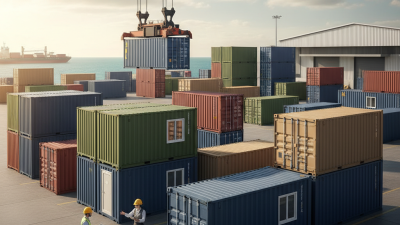
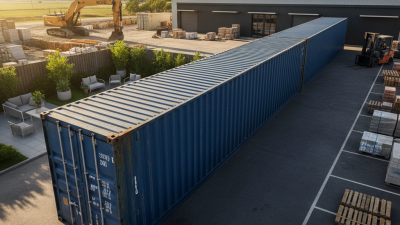
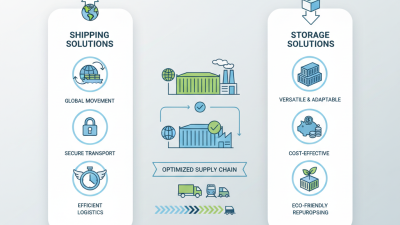
Cargo shipping containers are crucial in global trade. According to the World Shipping Council, about 90% of the world’s goods are transported by sea. These containers are standardized steel boxes, designed for easy handling and efficient transport. They protect cargo from damage and theft, ensuring safe delivery.
The rise of e-commerce has heightened the demand for effective shipping solutions. In 2020, the container shipping industry transported 1.89 billion metric tons of goods. This emphasizes the need for efficient systems. However, challenges persist, including congestion at ports and fluctuating shipping rates. The industry must adapt to these issues.
Understanding how cargo shipping containers work helps businesses choose the right logistics strategies. They have transformed shipping with economical shipping methods. Yet, the need for innovation remains. As the industry evolves, continuous improvement in container technology and logistics is essential.
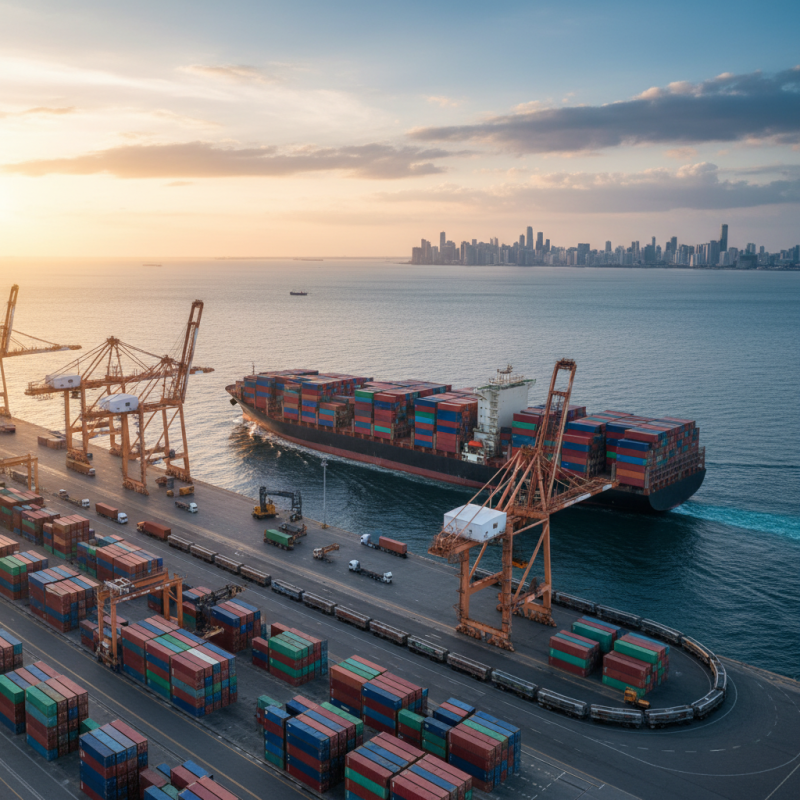
Cargo shipping containers are essential in global trade. They are large, standardized boxes that secure goods during transport. Their primary purpose is to facilitate the easy movement of merchandise across various modes of transport. This includes ships, trucks, and trains. Shipping containers are designed to be stacked and handled efficiently, allowing for quick loading and unloading. This design promotes safety and reduces damage to cargo.
When choosing a shipping container, it is vital to understand its size and type. Standard containers are typically 20 to 40 feet long. There are specialized containers for perishable goods, hazardous materials, and more. Inspect containers before shipping. Look for any damage or rust that could compromise your cargo. Regular maintenance ensures longevity.
Tips for maximizing container usage: Always load containers to the maximum weight limit, but do not exceed it. Distribute weight evenly to avoid tipping during transit. Utilize padding materials to protect fragile items. Keep track of container specifications to avoid unnecessary delays. Proper handling will ensure your cargo reaches its destination safely.
Cargo shipping containers come in various types, each designed for specific purposes. The most common type is the standard dry container. These are used to transport non-perishable goods. They are typically 20 or 40 feet long. Their solid structure protects the cargo from the elements.
Refrigerated containers, often called reefers, cater to perishable items. They maintain specific temperatures, ensuring freshness during transit. These containers utilize a built-in cooling unit. Insulation helps retain the desired temperature.
Open-top containers are fit for oversized cargo. They lack a solid roof, allowing for easy loading and unloading from above. However, these containers can be less secure against weather conditions. Each type of container has its unique specifications. Understanding these details is essential for efficient shipping logistics.
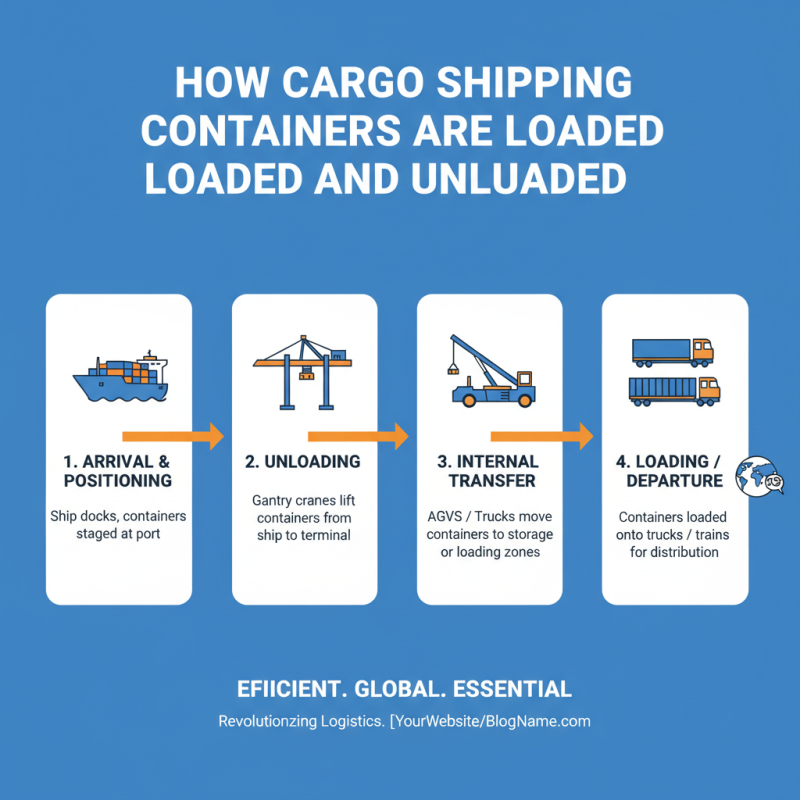
Cargo shipping containers have revolutionized the logistics industry. Their efficient design allows for seamless loading and unloading. Understanding this process is crucial for anyone involved in shipping.
When containers arrive at a port, they are often transported by trucks or trains to staging areas. Here, cranes play a pivotal role. They lift containers onto ships or offload them with precision. The loading sequence impacts the ship's balance. Improperly loaded containers can cause stability issues, so it's vital to follow proper guidelines.
Tips: Ensure containers are properly sealed to avoid damage during transit. Regularly inspect loading equipment to maintain safety standards. Effective communication among crew members enhances efficiency.
Unloading is equally important. After reaching the destination, containers are unloaded and inspected. They are then transported to warehouses or directly to customers. Attention to detail is essential. Lost or damaged items can lead to significant delays and costs.
Tips: Use tracking technology for real-time updates on container locations. Engage in routine training for staff on handling containers safely and efficiently. Investing in training can prevent mishaps and ensure smooth operations.
Cargo shipping containers are crucial in global trade. They offer a standardized way to transport goods efficiently. This standardization reduces costs and time, making international shipping feasible for businesses of all sizes. These containers can carry anything from electronics to perishable goods, all while being stacked securely on ships, trucks, and trains.
Shipping containers also enhance security. Goods are sealed within a durable metal structure, making them less susceptible to theft and damage. However, not all containers are created equal. Poorly maintained containers can lead to spoilage or loss of products. It’s essential to ensure that the containers used meet high safety and quality standards.
Tip: Always check the container's condition before use. Inspect for rust, dents, or broken seals.
The journey of a cargo container doesn't end at the port. Once they reach their destination, timely unloading and efficient logistics are vital. Delays in these processes can lead to increased costs and unhappy customers.
Tip: Establish a strong relationship with local logistics providers. This can streamline the unloading process and improve overall efficiency.
Cargo shipping containers are essential for global trade. Their maintenance and safety are crucial for preventing accidents and ensuring cargo integrity. Regular inspections are vital. Look for rust, dents, and signs of wear. Containers that show deterioration should be taken out of service.
Maintaining cleanliness inside the container can prevent contamination. Use a mild detergent and inspect for pests. Bugs can damage goods and lead to losses. Proper ventilation is essential. It helps to avoid moisture build-up, which can cause mold and corrosion.
Training staff on safety protocols is key. Equip them with knowledge on handling containers correctly. Remember, improper lifting techniques can lead to injuries. Encourage everyone to report dangerous conditions immediately. This proactive approach can save lives. Safety matters in shipping. Be vigilant and informed.
| Container Type | Dimensions (ft) | Capacity (CBM) | Weight Limit (kg) | Maintenance Frequency | Safety Considerations |
|---|---|---|---|---|---|
| Standard Dry Container | 20 x 8 x 8.5 | 33.2 | 22000 | Every 6 months | Check for corrosion, ensure lock mechanisms work |
| Reefer Container | 20 x 8 x 8.5 | 28.3 | 30000 | Every 3 months | Monitor temperature controls, clean the unit |
| Open Top Container | 20 x 8 x 8.5 | 33.2 | 22000 | Every 6 months | Inspect for structural damage, secure tarps properly |
| Flat Rack Container | 20 x 8 x 8.5 | 33.2 | 22000 | Every 6 months | Check securing points, ensure no loose materials |
If for some reason you did not find the service or product you need, you can always leave a request for a free consultation and get an answer.