
en es

What Are the Best Welding Positioners in 2026?

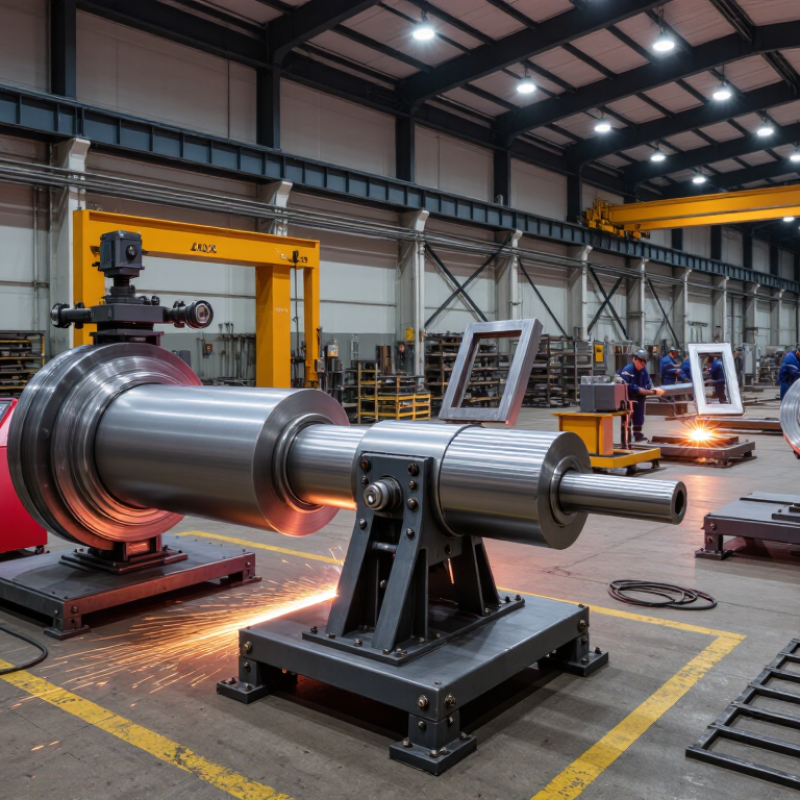
Choosing the right Welding Positioners in 2026 means more than comparing load ratings. The best unit should turn, tilt, and hold a workpiece steadily, while giving the welder clear access to the joint. Think of a cylindrical assembly rotating smoothly beneath the torch, without awkward reaches or repeated manual repositioning. Small details matter.

The market is growing. Grand View Research valued the global welding equipment market at approximately $16.2 billion in 2023 and projected a 5.2% compound annual growth rate from 2024 to 2030. That figure covers welding equipment broadly, not positioners alone. The U.S. Bureau of Labor Statistics projects about 45,800 annual openings for welders and related workers from 2023 to 2033. These reports do not prove that every shop needs automation. They do show why productivity and consistent setups deserve attention.

A useful technical lens comes from Duane K. Miller, a recognized welding engineer and author of Design of Weldments. His published weld-design work supports a practical caution: repeatable positioning can improve access and consistency, but it cannot compensate for poor joint design or unsuitable procedures. That distinction is easy to overlook. This guide compares positioners by capacity, rotation control, work envelope, duty cycle, and shop-floor fit. Buyers should also verify manufacturer specifications against their actual parts, fixtures, and welding process. No single model suits every job.
What Are the Best Welding Positioners in 2026?

What a Welding Positioner Does and How It Improves Weld Quality

A welding positioner holds and rotates a workpiece so the welder can work in a more favorable position, often flat or horizontal. Instead of leaning around a large frame, an operator can bring the joint closer, keep a steadier torch angle, and maintain a more even travel speed. For example, a turntable can rotate a pipe seam smoothly, reducing awkward pauses at the start and stop. That helps consistency. It does not guarantee a sound weld: fit-up, material condition, settings, and operator skill still matter.

Positioners can also reduce repeated handling and make joint access more predictable. The U.S. Bureau of Labor Statistics projects 2% employment growth for welders, cutters, solderers, and brazers from 2023 to 2033, with about 45,800 openings each year. That projection is workforce context, not proof of lower defect rates; it does underline the value of productive, repeatable setups. In practice, select a unit by load capacity, rotation range, speed control, and how securely it supports the actual part. Check that cables and clamps stay clear through the full rotation. A positioner is not magic. Poor restraint or a rushed setup can still produce uneven beads, and that is easy to overlook.

How Welding Positioners Differ by Design, Capacity, and Motion

What Are the Best Welding Positioners in 2026?
How Welding Positioners Differ by Design, Capacity, and Motion

The best welding positioner depends on the workpiece, not a feature list. Compact, fixed-height tables suit repeatable jobs with smaller assemblies. Adjustable stands help when operators need access at different heights. Before comparing options, check the rated load against the workpiece, fixture, and any offset from the table center. A catalog rating can still mislead if the load sits far off-center.

Capacity is only part of the choice. A single-axis unit rotates the table, keeping a seam within reach as the work turns. Tilt-and-rotate designs add another motion, which can help with awkward joints but may require more floor space and setup. Consider speed control and smooth starts, too. A heavy assembly that shifts suddenly can make precise torch placement harder. In practice, even a capable unit can feel wrong if its controls are awkward to reach.

Tips: Measure your largest assembly and fixture together. Note where the weight sits, then compare that setup with the maker’s load and tilt limits. If possible, test a representative part. It may reveal clearance problems that a specification sheet misses.

What Are the Best Welding Positioners in 2026?

Compare common positioner designs by their powered motion axes. Capacity varies by model and load configuration, so check the rated load and allowable center of gravity before choosing.

How to read this chart: Rotary-table and headstock-tailstock positioners rotate workpieces around one axis. Tilt-rotate positioners add a powered tilt axis, allowing more access to welding angles. A higher load rating is not guaranteed by a particular design; verify each machine’s specifications for your workpiece and fixture.

Which Features Matter When Choosing a Welding Positioner in 2026

Choosing a welding positioner in 2026 starts with the workpiece, not the control panel. Note its weight, diameter, center of gravity, and how often it changes. Rated capacity should include fixtures and clamps, not just the bare part. Leave a safety margin; a near-limit load can strain bearings and make rotation uneven. Smooth control matters. Low-speed adjustment helps keep the weld pool steady around a pipe or curved frame. Test movement under load if possible. A machine that turns smoothly when empty may hesitate once a heavy jig is mounted.

Check tilt range, table size, rotation speed, and whether foot controls let the operator keep both hands near the torch. Useful safeguards include an emergency stop, guarded pinch points, and clear load limits. For repeated jobs, programmable rotation and repeatable angle settings can reduce setup variation, though they add complexity. Keep it serviceable. Ask how easily cables, bearings, and controls can be inspected, and whether spare parts are available locally. Check floor space and power supply before ordering. Small oversights happen; verify fixture fit with a drawing or trial setup. A positioner should improve access and consistency, not force awkward handling.

How to Compare Top Welding Positioners for Different Workloads

Choosing a welding positioner starts with the workpiece, not the machine’s advertised capacity. Compare the heaviest assembly, its center of gravity, and how far it extends beyond the table. A 500-kilogram vessel can create more turning strain than a compact, evenly balanced part of the same weight. Check rated load at the actual tilt angle, rotation speed, table diameter, and duty cycle. Fit-up work may need smooth, slow rotation; repetitive production may benefit more from reliable controls and quick loading. Small detail, big difference.

Workforce pressure also makes practical handling worth weighing. The American Welding Society’s 2023 workforce data estimated that the United States would need 360,000 new welding professionals by 2027. That figure does not prove a positioner will raise output, but it highlights why reducing awkward manual repositioning can matter. Compare each unit using a real job: note loading time, weld access, balance, and operator adjustments. Ask for a demonstration with a representative workpiece, not an idealized sample. I would also leave headroom for future parts. It costs more upfront, and may be unnecessary for a small shop—but choosing only by today’s lightest workload can become an expensive mistake.

How to Operate and Maintain a Welding Positioner Safely

A welding positioner can improve access to a joint, but safe operation starts before the arc is struck. Check the machine’s rated capacity and confirm the workpiece is balanced around its rotation axis. An off-center load can swing unexpectedly. Secure the part with suitable clamps, then make a slow test rotation with the work area clear. Keep hands, sleeves, and cables away from pinch points. Stay alert. Know where the stop control is, and stop the machine before repositioning clamps or adjusting the fixture. Use appropriate welding PPE and keep the work area free of trip hazards.

Maintenance helps prevent sudden movement and poor weld access. Before cleaning or servicing, disconnect power and prevent accidental restart. Inspect clamps, fasteners, cables, controls, and visible gears for looseness, wear, or damage. Follow the equipment manual for lubrication and service intervals; excess lubricant can attract metal dust. Check that the grounding path remains secure and that the rotation moves smoothly without unusual noise. Record defects and keep the unit out of use until repairs are completed by a qualified person. A checklist helps, though it can become routine paperwork. Pause when something feels different, and investigate rather than assuming the positioner is fine.

What Are the Best Welding Positioners in 2026? - How to Operate and Maintain a Welding Positioner Safely

The best welding positioner depends on the workpiece, required rotation and tilt, available floor space, and production needs. This guide compares common positioner types rather than ranking specific products; load ratings and features vary by model.

Positioner type Best suited to Typical movement Main advantages Selection checks Safe operation and maintenance
Benchtop / compact turntable Small components, repair work, and light fabrication where bench space is limited. Rotates the workpiece around a horizontal axis; some models also tilt. Compact footprint and convenient access to the weld as the workpiece turns. Check the rated load, table diameter, clamping method, speed range, and whether the base can be securely mounted. Secure the unit and workpiece before rotation. Keep hands clear of the rotating table and clamps; inspect cables, controls, and mounting fasteners regularly.
Tilting-and-rotating table positioner General fabrication involving assemblies that benefit from rotation and changes in work angle. Rotates the table and tilts it to bring joints into a more accessible welding position. Offers flexible workpiece orientation and can reduce awkward reaches and out-of-position welding. Confirm both rotation and tilt ratings, permitted workpiece centre of gravity, table size, tilt range, and clearance around the load. Use only within the manufacturer’s load and balance limits. Confirm the tilt mechanism is locked or controlled before loading, unloading, or welding.
Headstock-and-tailstock positioner Long shafts, frames, tanks, and other workpieces supported at both ends. Turns a workpiece held between a powered headstock and a supporting tailstock. Supports longer workpieces and can help maintain alignment while providing access around the assembly. Check the distance between centres, headstock and tailstock capacities, support alignment, workpiece deflection, and the load’s balance. Support and clamp both ends as specified. Check alignment and locking devices before rotation; never place a person under a suspended or inadequately supported load.
Pipe welding positioner / turning rolls Pipe, cylindrical vessels, and other round workpieces that need steady rotation along their axis. Rotates a cylindrical workpiece on driven rollers or suitable pipe-support fixtures. Supports continuous circumferential welding and can help maintain a consistent travel position. Verify the permitted diameter and weight range, roller spacing, surface condition, traction, and measures to prevent the workpiece from walking or falling. Keep hands, clothing, and leads clear of rollers and pinch points. Check roller condition, alignment, guards, and emergency-stop function before use.
Heavy-duty floor positioner Large or heavy fabrication assemblies requiring a substantial base and controlled powered movement. Typically provides powered rotation, with tilt available on some configurations. Designed for larger workpieces and repeated shop-floor use when correctly matched to the load. Use the model’s load chart, including any limits for load offset or eccentricity. Check foundation, anchoring, duty rating, speed control, and workspace clearance. Keep the operating area clear and use approved lifting equipment for loading. Do not exceed rated limits; isolate power before servicing electrical or moving components.
Manual positioner Occasional use, simple assemblies, or work where powered rotation is not necessary. Workpiece orientation is changed by manual adjustment or hand-operated rotation, depending on design. Simple operation and no powered rotation drive on basic designs. Check the manual load limit, locking method, adjustment range, stability, and whether the workpiece can be positioned without unsafe force. Lock the position securely before welding. Do not force the mechanism or adjust a load unless the design and procedure explicitly allow it.

Safe-use and maintenance baseline: Follow the positioner’s operating manual and the site’s welding and lifting procedures. Before each use, check the structure, table or rollers, clamps, cables, controls, guards, and emergency stop. Secure and balance the workpiece, keep clear of pinch points, and use rated lifting equipment when loading. Before maintenance, disconnect and isolate energy sources and prevent unexpected movement. A positioner is for positioning workpieces, not for lifting or supporting people. Always use the manufacturer’s load chart: capacity can be reduced by an off-centre load, tilt angle, or other specified operating conditions.

Get a quote
Open chat
1
Hi! How can we help you?
Chat with Pelican Containers