In today’s economy, second hand shipping containers are gaining popularity. They offer an affordable solution for many needs. These containers can serve various purposes, from storage to creative housing projects.
When looking for the best deals, it's crucial to consider condition and price. Some containers may show signs of wear and rust, which can be a concern. However, their sturdy structure often outweighs these issues. Finding the right second hand shipping containers might require some patience.
Local suppliers and online marketplaces are great places to start your search. Each option has its pros and cons, and exploring them can feel overwhelming. Ultimately, investing in second hand shipping containers could lead to innovative and practical uses.
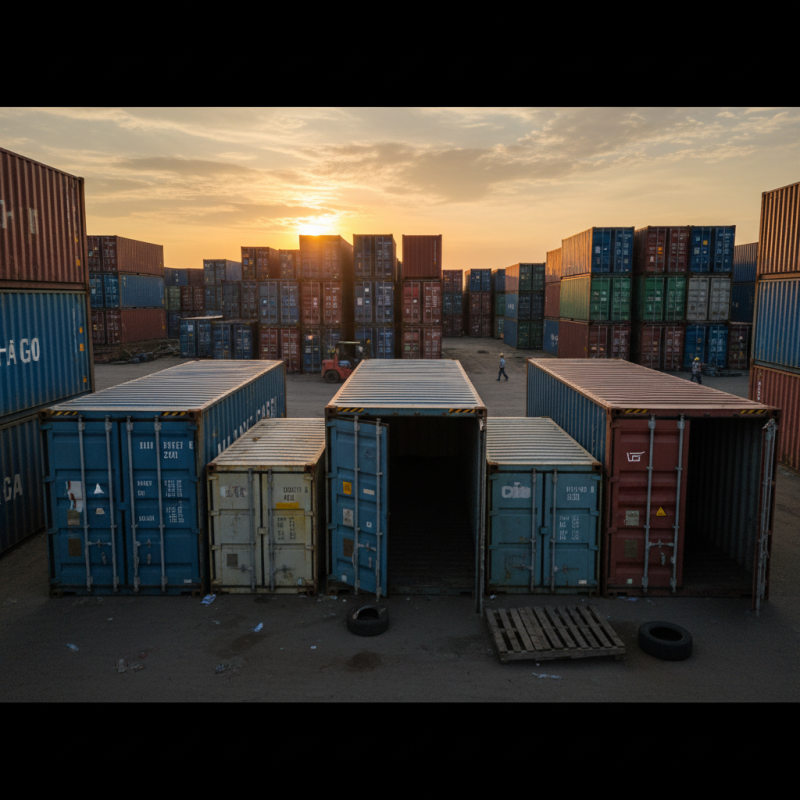
When evaluating second-hand shipping containers, it's essential to check for structural integrity. Look for visible dents, rust, or holes. These may indicate problems. A container in good condition should be free from significant corrosion. Pay close attention to the corners and the doors, as they often bear the brunt of wear.
Tips: Always ask for photos before visiting the site. This saves time and helps identify potential issues. If possible, inspect the container when it is empty. You want to see its true state.
Don’t overlook the container's history. A previously used container might have been exposed to harsh environments, which can affect its durability. Ask about its previous usage. Shipping containers from moderate climates tend to be in better shape. Look for signs of moisture damage. This could lead to long-term issues.
Tips: Request documentation proving prior inspections. It gives you peace of mind and ensures accountability from the seller. Be prepared for negotiations, as prices may fluctuate based on condition.
When exploring the market for second-hand shipping containers, prices can vary significantly. Typically, the cost of a used container ranges from $2,000 to $5,000, depending on size and condition. Smaller units may be less expensive, while larger or refurbished ones can be much pricier. Key factors include the container's age, damage, and previous use. Buyers often overlook shipping costs, which can add significantly to the total price.
Market demand also plays a vital role. In urban areas, where space is limited, prices tend to be higher. In contrast, remote regions may offer better deals. Always examine the container before purchasing. Look for rust, dents, and overall structural integrity. Many buyers face challenges when evaluating true condition. Pictures can be misleading, and distance can complicate inspections.
Pay attention to potential hidden costs. You may need to invest in repairs or modifications. Understanding local regulations is crucial too. Permits may affect your final spending. Additionally, consider the availability of containers and your intended use. Each project's needs can greatly influence the decision. So, thorough research is essential for a wise purchase.
When searching for second-hand shipping containers, several key features should be prioritized. One important aspect is the condition of the container. Look for minimal rust and structural integrity. A container with a steel exterior should have a sound surface; any significant dents can indicate prior mishandling.
According to industry reports, nearly 70% of containers reach their end of life after about 12-15 years. However, this doesn’t mean that older containers can’t be useful. It depends on their upkeep. Ensure the container has not been used for transporting hazardous materials. This is vital for safety and future usage.
Tips: Inspect every corner. Pay attention to the seals and hinges. They can reveal hidden issues. A well-maintained used container can last another decade. Also, consider the size. Standard sizes include 20-foot and 40-foot options, providing flexibility for various projects.
Remember, a thorough visual inspection is key. Look beyond the exterior paint. Assess the floor conditions too. Dry rot or water damage may exist. Sometimes the most appealing container might have unseen flaws. Balancing cost with quality requires careful consideration. Be prepared for some imperfections, as they can lead to negotiation opportunities.
When exploring the second-hand shipping container market, it's essential to consider popular brands and their resale values. Different brands often reflect varying conditions and durability. A well-maintained container could hold its value better than one that shows significant wear and tear. Many buyers prioritize the container's age, appearance, and structural integrity.
The resale value can fluctuate based on the condition and market demand. For instance, some containers can drop in value quickly due to rust or damage. Other containers may retain value if they are refurbished or modified for different uses. It’s interesting to see how a minor dent might affect the price.
Buyers should note the importance of inspecting containers personally. Photos may not always show hidden flaws. Ensure you check for leaks or mold inside. While some containers seem perfect from afar, they may need costly repairs. Understanding the market trends can also influence choices. Prices can vary widely from one location to another. Knowledge is key in making a wise investment in shipping containers.
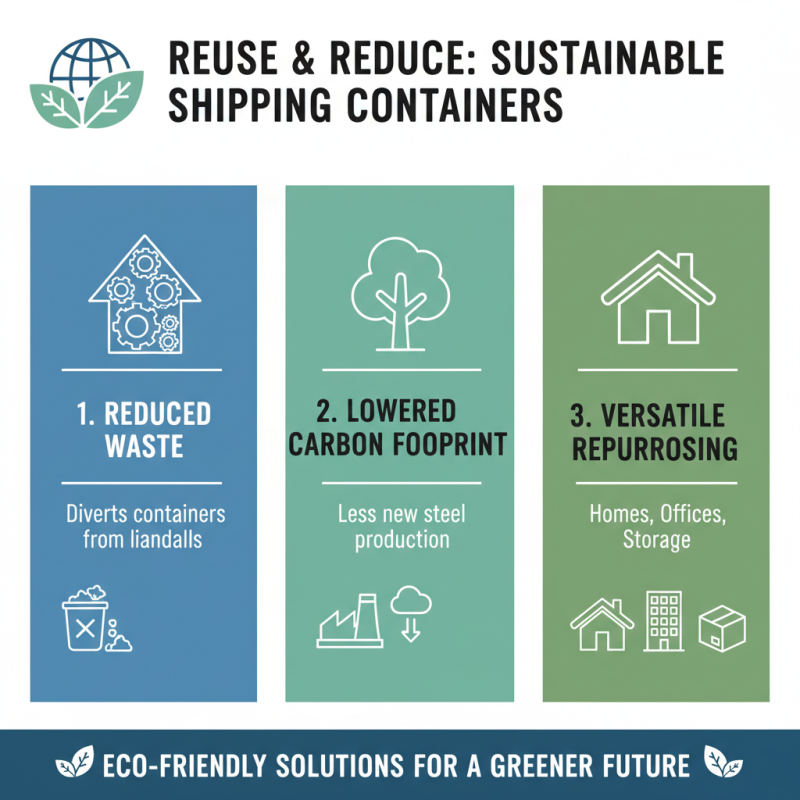
Second-hand shipping containers are gaining popularity due to their environmental benefits. They offer a sustainable solution to meet various needs while reducing waste. Instead of ending up in landfills, these containers can be repurposed for homes, offices, and storage solutions. Rescuing these models from destruction can significantly lower our carbon footprint.
Using second-hand containers can help combat resource waste in construction. However, we must ensure that we are sourcing them responsibly. Not all containers are suitable for reuse, and some may come with hidden issues. It's essential to assess their structural integrity before committing. Local regulations might also restrict modifications, which can lead to frustration if not checked beforehand.
While second-hand containers promote recycling, we shouldn’t overlook the potential downsides. Transporting these containers can contribute to emissions. Requiring them to be moved over long distances means more fuel consumption. Careful consideration must be given to sourcing them locally. Overall, while second-hand shipping containers have clear environmental benefits, recognizing the complexities involved is crucial.
If for some reason you did not find the service or product you need, you can always leave a request for a free consultation and get an answer.