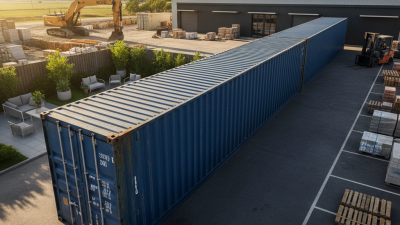
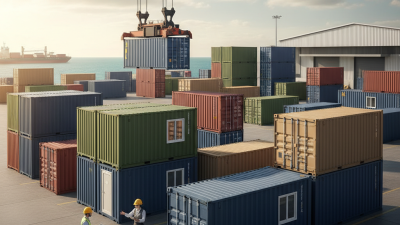
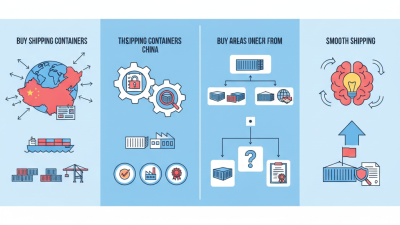
When considering the industrial demand for efficient storage solutions, "40 foot storage containers" stand out. These containers offer significant space for various applications, from construction projects to international shipments. With increasing globalization, businesses and individuals seek reliable storage options.
Choosing the best containers requires insight. Understanding materials, portability, and security features is essential. Not all containers meet quality standards. Issues like rust or damage can compromise your investment.
The vast market has diverse options. However, buyers must discern reputable suppliers from unreliable ones. Noteworthy is the fine line between cost and quality. Cheaper options may lure customers, but hidden flaws can emerge. This consideration is crucial for anyone seeking a long-term solution.
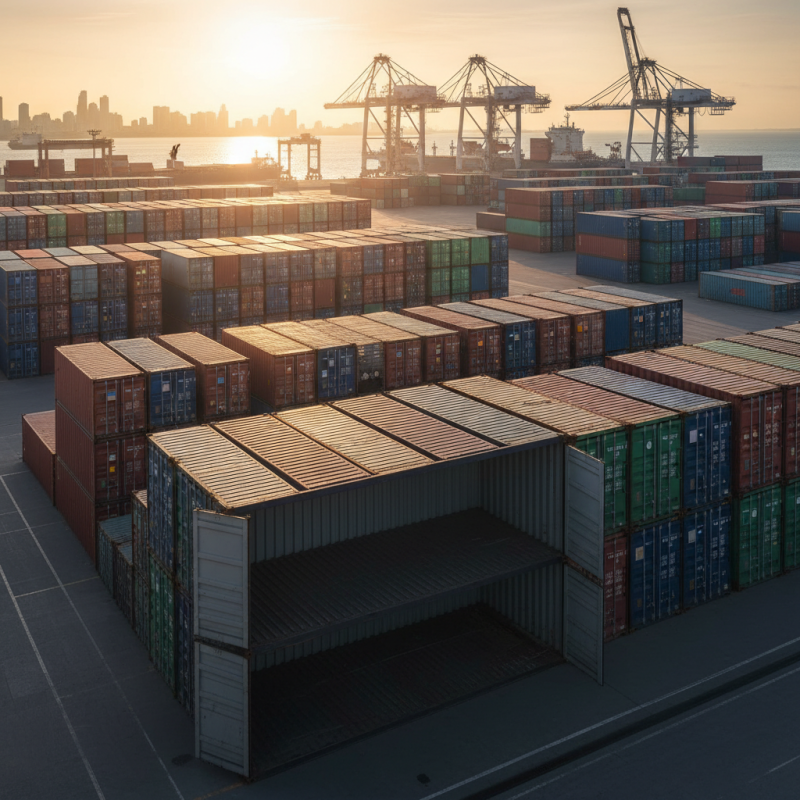
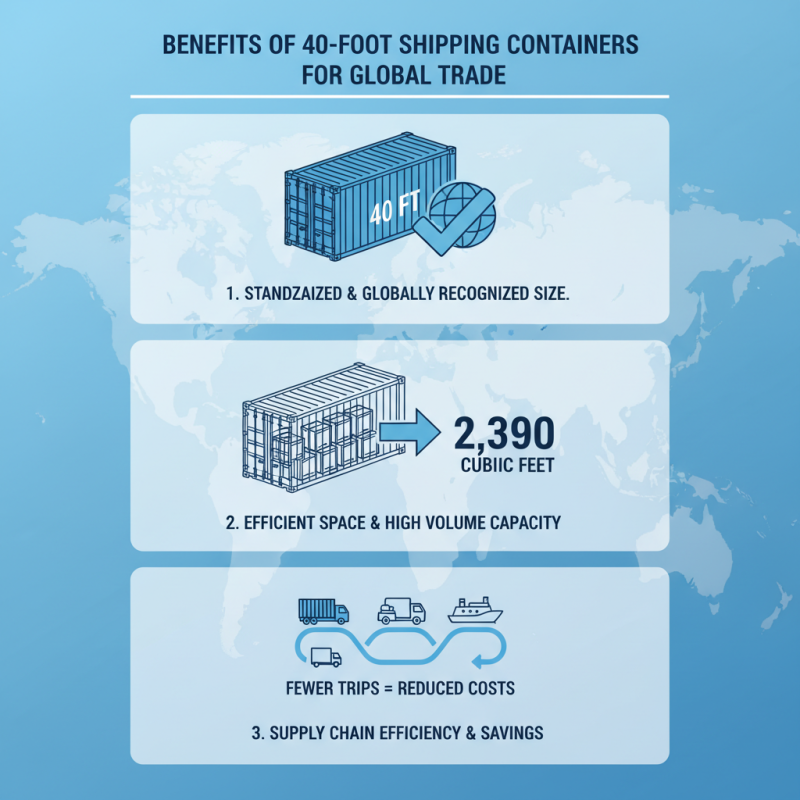
The advantages of using 40-foot storage containers for international shipping are significant. These containers offer a standardized size recognized globally. Their dimensions allow for efficient space utilization, accommodating up to 2,390 cubic feet of cargo. This substantial volume can hold a considerable amount of goods, reducing the number of trips needed for transportation—a vital benefit in supply chain efficiency.
According to industry reports, 40-foot containers are cost-effective. Shipping costs per unit decrease as volume increases. This is crucial for businesses aiming to optimize their logistics budget. Furthermore, shipping with these containers can lower the carbon footprint. Fewer trips mean reduced emissions, aligning with global sustainability goals. Nevertheless, it’s essential to remember that not all products are suitable for container shipping. Perishable goods, for example, may require careful handling.
Another consideration is the security of shipments. While containers are robust, they are not immune to theft or damage. Businesses must implement additional security measures to protect their goods during transit. This reflects an ongoing challenge in the shipping industry. Continual improvements in container design and technology are needed to address these vulnerabilities. Investing in these advancements may yield better results for international shipping operations.
When selecting a 40-foot storage container, start with durability. Look for containers made from Corten steel. This material resists rust and corrosion. Check for a strong door system. A well-designed door ensures security and easy access.
Consider insulation features too. Insulated containers help maintain temperature during storage. This is crucial for sensitive items. Additionally, ventilation is important. Good airflow prevents moisture buildup, which can lead to damage.
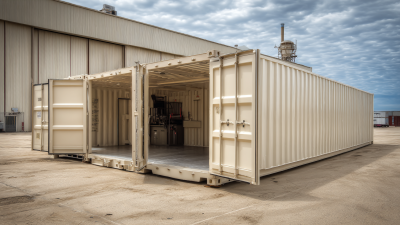
Examine customization options. Some containers offer shelving or additional access points. Tailored features can make a big difference. Remember to think about your specific needs. Not every container suits every purpose. Spending time on research pays off in the long run. Choose wisely to avoid future regrets.
When considering 40-foot storage containers, it's essential to explore the various types available. The two predominant types are standard containers and high-cube containers. Standard containers provide 8 feet 6 inches in height, while high-cube containers offer an additional foot of height. This extra space can be invaluable for those with bulkier items.
According to a report by the International Maritime Organization, the demand for storage solutions is projected to grow by 4.5% annually. This increase highlights the need for adaptable storage options. Standard containers are often favored for their cost-effectiveness. Conversely, high-cube containers are preferred for their vertical storage capacity, making them ideal for businesses with varying inventory sizes.
Tips: Always consider your specific storage needs before selecting a container type. Assessing your inventory dimensions can save time and money. Additionally, factor in climate conditions—insulated containers may be necessary for sensitive goods.
Reflecting on designs is crucial. While many containers offer durability, not all are weatherproof. Regular inspections can prevent unexpected damages. Choosing a container that meets all requirements extends its lifespan and utility. Understanding these variations can significantly influence your storage strategy moving forward.
| Type | Material | Weight Capacity (lbs) | Volume (cu ft) | Features |
|---|---|---|---|---|
| Standard Container | Steel | 60,000 | 2,390 | Standard doors |
| Reefer Container | Aluminum | 50,000 | 2,400 | Temperature control |
| Open Top Container | Steel | 58,000 | 2,694 | Removable roof |
| Flat Rack Container | Steel | 70,000 | 2,390 | Foldable |
| High Cube Container | Steel | 62,000 | 2,694 | Extra height |
When exploring the market for 40-foot storage containers, understanding the top manufacturers is crucial. A report from the Container Owners Association indicates that the global demand for intermodal containers is expected to grow by 4% annually. This trend highlights the importance of reliable manufacturers who can meet diverse buyer needs.
Notably, industry analysts emphasize the significance of durability and adaptability in storage containers. Quality containers should resist extreme weather conditions and ensure secure transport. Leading manufacturers often utilize high-grade steel, which enhances both strength and longevity. However, not all products meet these standards. Buyers must research and compare different options to avoid subpar purchases.
Another key factor is pricing. According to a recent market survey, prices can vary significantly based on material and design. Some manufacturers focus on cost-efficiency, but this might compromise quality. As buyers, assessing the balance between price and product integrity is essential. The right container is an investment, one that should serve its purpose effectively over time.
When considering the purchase of 40-foot storage containers, budgeting is crucial. Prices can vary based on several factors. New containers will often cost more than used ones. Condition and location also impact prices. It’s essential to research local market trends before making a decision. Often, shipping fees can add considerable costs.
Evaluating your needs is vital. What will you store? How often will you use the container? These questions save money in the long run. Some customers might overestimate their storage needs. This can lead to unnecessary expenses. Assess your space requirements carefully. Additionally, consider maintenance costs over time.
Another factor is customization. Many buyers seek to modify containers for specific uses. Modifications can escalate initial costs quickly. Decide if modifications are necessary before purchasing. Be aware that some adjustments may require permits. Overall, meticulous planning can help manage your budget effectively. It’s important to balance cost with practicality in your storage needs.
If for some reason you did not find the service or product you need, you can always leave a request for a free consultation and get an answer.